

TOFA boosts mouse energy use 18% while preserving muscle
UC Berkeley’s animal work points to a possible companion to GLP-1 drugs, but safety and efficacy in people remain untested.
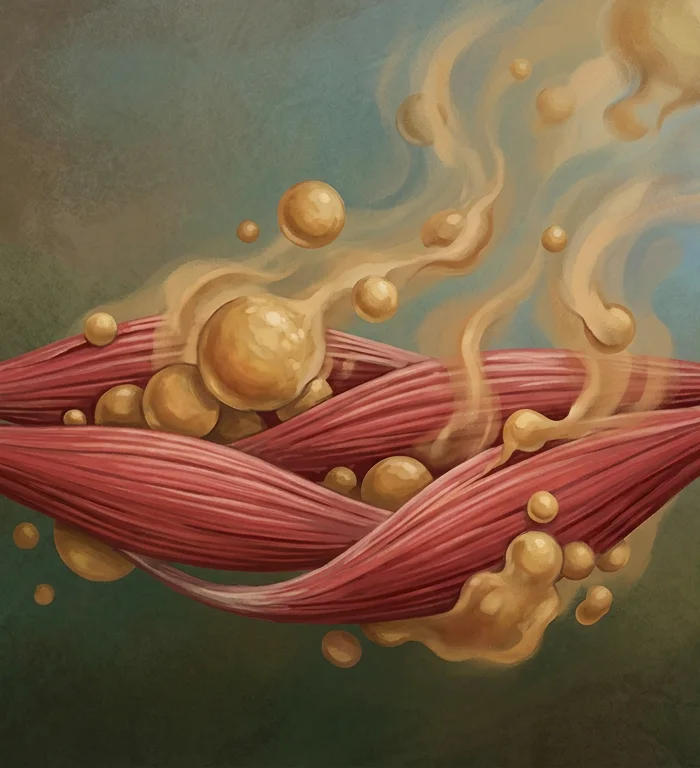
UC Berkeley researchers said in a Nov. 19 university release that TOFA increased mouse energy expenditure by up to 18% while reducing fat without significant lean-mass loss in experiments published in Science Advances.
The work matters because GLP-1 drugs such as Ozempic and Wegovy mainly reduce appetite, while TOFA targets energy use; the evidence remains animal-based, and human safety and efficacy have not been established.
"Body weight responds to two levers: taking in fewer calories, or spending more energy," said Anders Näär, a professor of metabolic biology and nutrition at UC Berkeley and senior author of the study. "GLP-1s work almost entirely on the first, so we went after the second."
TOFA, short for 5-tetradecyloxy-2-furoic acid, is an experimental compound that affects lipid metabolism, the body’s handling of fatty substances including triglycerides and cholesterol. In obese mice, UC Berkeley said TOFA improved insulin sensitivity, helped control blood sugar, lowered triglycerides and improved features of fatty liver disease.
The compound belongs to a class known as ACC inhibitors, which interfere with enzymes involved in fatty-acid production. UC Berkeley said TOFA also activates PPARα and PPARδ, cellular receptors that regulate genes involved in taking up and burning fat.
Justin Y. Lee, the study’s first author and a postdoctoral student at UCSF, said the findings suggest TOFA is doing more than one metabolic job. "It is not simply blocking lipid synthesis. It is also activating energy expenditure pathways that may help the body handle excess lipid and glucose more effectively."
The researchers also tested TOFA with semaglutide, the active ingredient in Ozempic and Wegovy, and tirzepatide, marketed as Mounjaro and Zepbound. UC Berkeley said the combinations produced greater improvements in body weight, blood glucose regulation, insulin levels and triglycerides than either treatment alone in mice.
"In our combination experiments, TOFA worked additively or synergistically with the GLP-1 appetite-suppressing drugs, so we view it as complementary rather than as a replacement," Näär said.
The study cannot show whether TOFA will help people lose weight, preserve muscle or improve metabolic disease. The university release did not report the number of animals studied or provide absolute weight-loss amounts, and the compound has not been shown to be safe or effective in humans.
UC Berkeley said the research was funded through discretionary university resources, with additional support from the UCSF Liver Center and the University of Michigan Animal Phenotyping Core. The Berkeley scientists have formed ReRx Therapeutics to explore possible clinical applications, and the author list included Prabha Ibrahim of ReRx Therapeutics.
Further work would need to establish whether the mouse findings translate to people and whether TOFA offers advantages over existing obesity, diabetes or fatty-liver treatments.
Source: ScienceDaily Health and University of California-Berkeley release, Nov. 20, 2026.
Atlas360 reports health research and does not provide medical advice.
More stories
- Aberdeen Royal Infirmary faces police inquiry call over 19 deaths
- Bariatric surgery group loses 28.2% after GLP-1 use
- ICO probes NHS therapy notes accessible to up to 140,000 staff
- Singapore healthcare institutions record 4,200 abuse reports
- Tumaini trial to test 2 Bundibugyo Ebola vaccines in DRC
- GSK wins FDA approval for Nelkarmi after 49% response rate
Latest news
- Congress clears 25-business-day holds for vulnerable investors
- Baird seeks 2 trade bills to ease Ethiopia-Eritrea tensions
- Kenya women farmers out-earn men by 18% per hectare
- Indonesia seeks Google explanation for 19,372 YouTube removals
- San Antonio faces scrutiny over 50,000-hog farm approvals
- Anoop Lokkur seeks backers for $1.3m Bengaluru dark comedy
- Cognition runs Devin Mac workspaces on EC2 in 6 AWS regions