

ICO probes NHS therapy notes accessible to up to 140,000 staff
The case raises privacy questions as ministers pursue a single patient record across the health service.
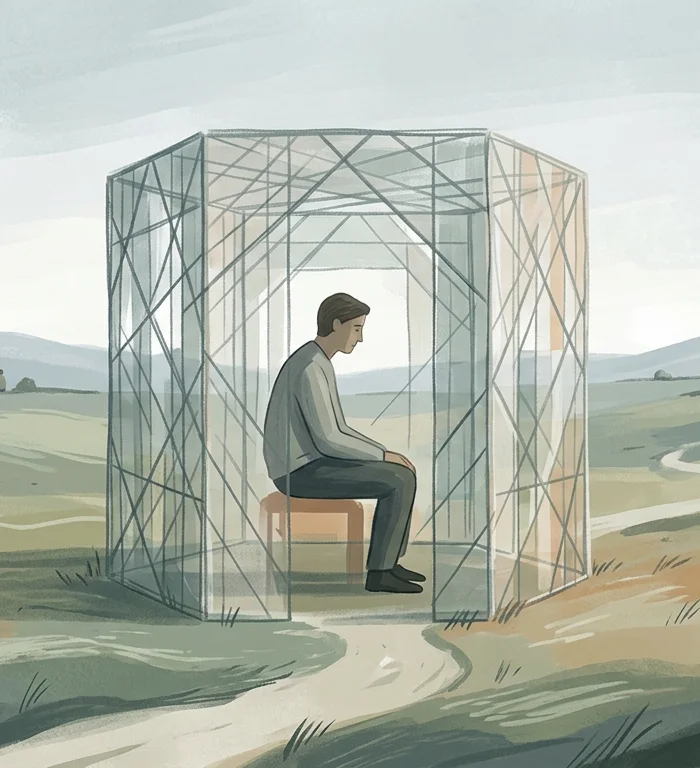
The Information Commissioner’s Office opened an investigation on Nov. 20 after The Guardian reported that psychotherapy notes for an NHS patient were accessible through records available to more than 100,000 staff.
The inquiry puts mental-health confidentiality into the NHS data-sharing debate: the London Care Record can be accessed by up to 140,000 NHS staff, above the 100,000-plus figure cited in the case.
The patient, identified by The Guardian as Rosanna, not her real name, learned that notes from psychotherapy sessions had been added to her medical record when she saw them during a GP appointment. She later used freedom of information requests to establish that staff outside the hospital trust treating her had accessed her therapy notes, The Guardian reported.
Rosanna said the discovery led her to stop psychotherapy for bipolar disorder with South London and Maudsley NHS trust, known as SLaM. She said: “I felt horrified looking over my GP’s shoulder as they checked what I had told them about my therapy records being available on the LCR. It’s like discovering that your personal diary has been photocopied and placed in a library.”
SLaM told The Guardian it was reviewing how psychotherapy is recorded on electronic patient records and how patients are told about data sharing. The trust said “no intimate details” from therapy sessions had been shared, while also telling Rosanna that “key session content” from therapeutic discussions was uploaded automatically and that “Very private material can be shared in the context of treatment.”
The case has reached parliament. Bell Ribeiro-Addy, Rosanna’s MP, asked the government what guidance mental-health trusts had received on therapy-note sharing. James Frith, a junior health minister, replied that records “relating to direct care are shared on a basis of implied consent,” according to the written answer cited by The Guardian.
Rosanna said patients should have been told where therapy data was going and given a way to object. She also said she supports the planned single patient record in principle, but wants it focused on medical information rather than the detailed content of therapy sessions.
Prof Derek Tracy, SLaM’s chief medical officer executive, said: “We apologise again to the patient for the delays in responding to her concerns.” He said clinicians can limit access to local teams and mask parts of a record where appropriate.
The privacy question comes during wider concern about access to NHS records. Atlas360 reported on Nov. 18 that NHS England had recorded 3,029 patient-record snooping incidents, with fewer than 80 of 143 trusts providing precise figures.
Andy Bell, chief executive of the Centre for Mental Health, told The Guardian that therapy usually starts with a discussion about confidentiality and safeguarding limits. He said: “If a patient is finding out information about themselves on the system that they didn’t expect, that suggests that the system isn’t working properly.”
Source: news report, The Guardian Health, Nov. 20.
Atlas360 reports health research and does not provide medical advice.
More stories
- Aberdeen Royal Infirmary faces police inquiry call over 19 deaths
- Bariatric surgery group loses 28.2% after GLP-1 use
- TOFA boosts mouse energy use 18% while preserving muscle
- Singapore healthcare institutions record 4,200 abuse reports
- Tumaini trial to test 2 Bundibugyo Ebola vaccines in DRC
- GSK wins FDA approval for Nelkarmi after 49% response rate
Latest news
- Congress clears 25-business-day holds for vulnerable investors
- Baird seeks 2 trade bills to ease Ethiopia-Eritrea tensions
- Kenya women farmers out-earn men by 18% per hectare
- Indonesia seeks Google explanation for 19,372 YouTube removals
- San Antonio faces scrutiny over 50,000-hog farm approvals
- Anoop Lokkur seeks backers for $1.3m Bengaluru dark comedy
- Cognition runs Devin Mac workspaces on EC2 in 6 AWS regions