

Panetta says Italy inflation threatens purchasing power
Panetta said Italy inflation threatens near-term purchasing power while expecting fiscal discipline and closer scrutiny of bank consolidation.
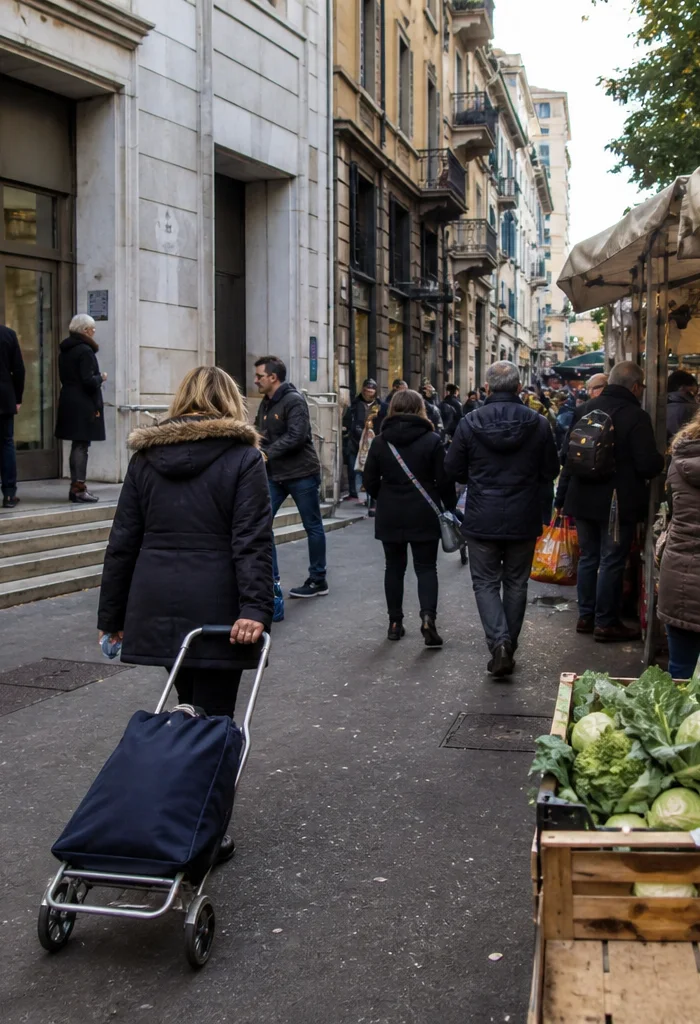
Italy inflation will threaten purchasing power in the short term, Panetta said, while expecting fiscal discipline before next year's vote.
The remarks tied Italy's domestic economic debate to a wider political point about living standards. Panetta said the U.S. Democrats' victory over Republicans in this month's midterm elections was "a very important message" showing that voters judge governments by the effect of policies on well-being, employment and purchasing power.
Purchasing power frames remarks
Panetta's inflation warning focused on the immediate pressure facing Italian households rather than a long-term forecast. He said surging prices would threaten citizens' purchasing power at least in the short term, a formulation that leaves the duration and scale of the squeeze unspecified.
The supplied material did not include an inflation rate, a forecast path or a comparison with wages. That matters because purchasing power is shaped by both price increases and income growth, and the balance between the two determines how much pressure households actually feel.
Bank mergers draw scrutiny
Panetta also said the Bank of Italy is monitoring the wave of consolidation in the banking sector. The stated purpose is to ensure that benefits for Italian banks do not end up penalizing consumers.
The comments place consumer outcomes alongside the usual financial arguments for bank consolidation, including scale, capital efficiency and cost savings. The material did not identify specific mergers, lenders or consumer harms, so the regulatory concern should be read as a monitoring stance rather than a finding of misconduct.
Election year fiscal test
Panetta said he believed Italy would maintain fiscal discipline before a national election next year. The comment is politically relevant because election periods can increase pressure for spending promises, especially when households are facing higher prices.
His view also connects fiscal policy to credibility with savers, markets and European partners, though the supplied material did not provide budget targets or debt figures. Without those numbers, the claim can be reported only as Panetta's expectation, not as an independent assessment of Italy's fiscal position.
Three conditional paths
If inflation pressure remains concentrated in the short term, the macro effect would be mainly a squeeze on real household income and consumer sentiment. For Italy, that would keep purchasing power at the center of election debate; for banks, it could heighten scrutiny of fees, credit conditions and branch decisions during consolidation.
If price pressure eases before the election, Panetta's fiscal-discipline expectation would face a less difficult political backdrop. In that scenario, Italy could have more room to frame budget restraint as continuity rather than austerity, while the banking sector would still need to show that consolidation gains are not being captured only by shareholders.
If inflation stays high and election pressure rises, the tension would move from household budgets into fiscal policy and bank regulation. The main open questions are the path of inflation, the details of Italy's next budget, the election calendar and whether the Bank of Italy identifies concrete consumer costs from consolidation.
More stories
- Elon Musk says MAGA spending left him foolish after losses
- Wisconsin Prosecutor Declines to Charge Officer in Fatal Shooting of Black Man
- Shenzhen trilateral brings Trump, Putin, Xi together at APEC
- South Korea’s Top Court Overturns Ex-PM Han Duck-soo’s Martial Law Conviction
- Putin seeks Ukraine peace talks positions from Europeans
- Summit nuclear pledge leaves arms reduction talks absent
- AfCRA faces investor trust test with Africa debt service at $163bn
- Qatar-led mediators press 7-day plan for Iran-US deal