

South Korea’s Top Court Overturns Ex-PM Han Duck-soo’s Martial Law Conviction
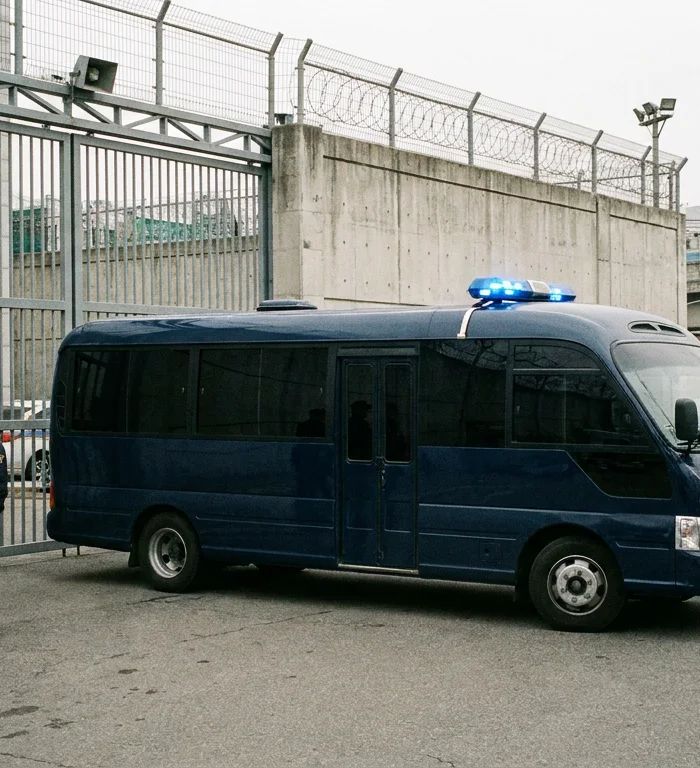
South Korea's Supreme Court overturned Han Duck-soo's conviction for aiding martial law, returning his case for review while keeping him detained.
The justices voted 9–3 on Thursday to reverse the conviction of the former prime minister over his involvement in Yoon Suk Yeol's December 2024 decree. The decision returns the proceedings to the Seoul High Court, which imposed a 15-year sentence in May; the Supreme Court ordered another two months of detention, subject to possible renewal.
Han's intent divides the justices
The central issue was whether Han convened Cabinet ministers to give constitutional cover to Yoon's decision. Cabinet consideration is a constitutional requirement for declaring martial law, but the Supreme Court said the prosecution had not established that Han intended to assist Yoon's unlawful action.
The justices also questioned whether Han had advance knowledge of the plan and cited his testimony that he sought to persuade Yoon against proceeding. Their ruling rejected the lower court's conclusion that bringing ministers together demonstrated an intention to legitimize the decree.
The reversal did not erase every adverse finding against Han. The Supreme Court left unchallenged findings concerning discussions about disconnecting utilities to news organizations opposed to Yoon, fabrication and destruction of the proclamation, and false testimony under oath.
Cabinet procedure remains legally consequential
Yoon announced the decree on December 3, 2024, following a confrontation with the opposition-controlled legislature. Lawmakers made their way past security personnel deployed around parliament and voted against the measure, prompting its withdrawal by the Cabinet hours after its announcement.
Parliament's impeachment vote suspended Yoon from exercising presidential authority on December 14, 2024. The Constitutional Court removed him in April 2025, and he subsequently received a life sentence for rebellion, which he is appealing.
The distinction between holding a meeting and allowing genuine deliberation also figures in Yoon's own criminal proceedings. In July, the Supreme Court affirmed an eight-year sentence covering interference with ministers' deliberative rights, manipulation and destruction of the proclamation, and unlawful resistance to arrest using presidential security personnel.
Yoon summoned 11 ministers before announcing martial law, but Han and other participants testified that the gathering involved notification rather than discussion. Courts also found that nine additional ministers were denied their rights through exclusion or invitations delivered too late.
Democratic Party challenges judicial leadership
The governing Democratic Party condemned Thursday's judgment and accused Chief Justice Jo Hee-de of participating in a judicial insurrection. Some party leaders threatened impeachment proceedings against him; that response was a political accusation, not a finding by a court.
The dispute comes after President Lee Jae Myung authorized several special prosecutor inquiries following his inauguration in June 2025. Those investigations concern the martial law episode and other allegations involving Yoon's government and his wife.
For Han, the next legal decision belongs to the Seoul High Court, while the detention order keeps him imprisoned in the meantime. The distinction established by the Supreme Court remains central: prosecutors' failure to prove intent to assist the decree does not eliminate the other findings that the justices left undisturbed.
More stories
- Panetta says Italy inflation threatens purchasing power
- Elon Musk says MAGA spending left him foolish after losses
- Wisconsin Prosecutor Declines to Charge Officer in Fatal Shooting of Black Man
- Shenzhen trilateral brings Trump, Putin, Xi together at APEC
- Putin seeks Ukraine peace talks positions from Europeans
- Summit nuclear pledge leaves arms reduction talks absent
- Armenia faces EU democracy test over opposition cases
- Cambodia freezes more than $300m in scam crackdown