

Summit nuclear pledge leaves arms reduction talks absent
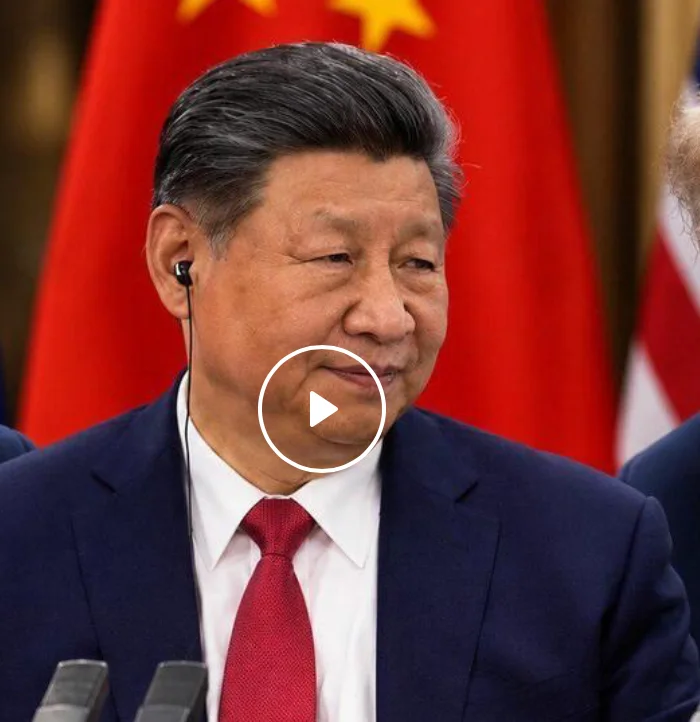
Xi Jinping, Donald Trump and Vladimir Putin endorsed a nuclear declaration in Shenzhen without announcing plans for arms control negotiations.
The Chinese, US and Russian presidents agreed on November 19 to pursue discussions about nuclear dangers, according to their joint declaration. But they announced neither a negotiating schedule nor a commitment to the three-country weapons reduction agreement President Trump has advocated.
Nuclear dialogue stops short of negotiations
The declaration said the countries would "conduct a dialogue on reducing nuclear risks and preventing proliferation of nuclear weapons," but provided no timetable. That leaves the proposed dialogue without a publicly stated start date or an agreed path toward negotiations on arsenal reductions.
The leaders also "reaffirmed that a nuclear war cannot be won and must never be fought." The distinction between that principle and an arms reduction process is central to the summit's outcome: the statement addresses nuclear danger without announcing a treaty initiative.
Daryl Kimball, executive director of the US-based Arms Control Association, welcomed the reaffirmation while calling for further steps. "We need much more than rhetoric. We need action on disarmament diplomacy," he said.
China's arsenal argument remains a barrier
Trump has sought an agreement encompassing all three countries since his first term. China has repeatedly opposed that approach, arguing that its nuclear stockpile is smaller than those maintained by the United States and Russia.
That position identifies a disagreement over the basis for negotiations, not merely their timing. Beijing's stated objection concerns the relative size of the arsenals, while Trump's proposal seeks to bring all three governments into the same reduction process.
Trump acknowledged the difficulty of relinquishing nuclear weapons as the meeting began. "It’s not an easy thing to do – give them up," he said, but the declaration offered no corresponding commitment to negotiate reductions.
The Shenzhen meeting concluded an Asia visit lasting three days for Trump. The joint statement extended beyond nuclear issues, with pledges concerning changes to the United Nations, greater availability of fuel products internationally and protection for state officials from international court proceedings.
Declaration leaves implementation questions unresolved
The leaders committed to supporting the immunity of state officials before international courts, but the supplied declaration excerpts contained no implementation mechanism. Their statement also omitted Russia's war in Ukraine, leaving that conflict outside the announced agreement.
If the promised nuclear dialogue produces a schedule and an agreed agenda, it would establish a process for addressing the risks the leaders identified. Unless that agenda also includes arsenal reductions, however, it would remain distinct from the treaty negotiations Trump has sought.
If China's opposition to three-country reductions holds, the governments could pursue discussions about nuclear risk without opening weapons reduction talks. The concrete indicators of further progress would be an announced meeting, a timetable and an explicit negotiating mandate; none accompanied the declaration.
More stories
- Panetta says Italy inflation threatens purchasing power
- Elon Musk says MAGA spending left him foolish after losses
- Wisconsin Prosecutor Declines to Charge Officer in Fatal Shooting of Black Man
- Shenzhen trilateral brings Trump, Putin, Xi together at APEC
- South Korea’s Top Court Overturns Ex-PM Han Duck-soo’s Martial Law Conviction
- Putin seeks Ukraine peace talks positions from Europeans
- South Africa recycles 301,000 tonnes of plastic waste
- Iraq hits suspected ISIS sites with 2 strikes after US exit
- UK and EU seek 3 deals in Burnham reset
- Iraq government sacks nine officials over oil-smuggling claims