

Pakistani authorities detained 130 Malaysians in scam-centre raid
South Asia is becoming a larger enforcement front as syndicates adjust to pressure on large scam compounds in Southeast Asia.
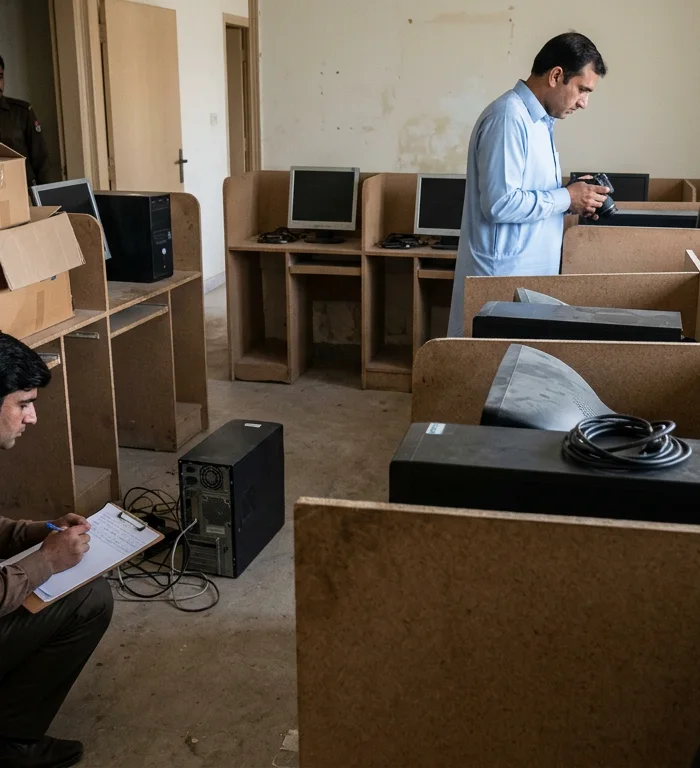
Pakistani authorities detained 130 Malaysians in an October raid on a suspected Rawalpindi scam centre, Channel NewsAsia columnist Nirmal Ghosh wrote in a commentary published Nov. 20.
The case matters because enforcement pressure since 2025 has pushed some scam networks away from large Southeast Asian compounds; Sri Lankan police have arrested more than 1,100 foreign nationals since early 2026.
Ghosh wrote that South Asian countries including Pakistan and Sri Lanka are now responding to syndicates using smaller, more dispersed bases. He cited easier entry rules, reliable internet and lower living costs as factors that made Sri Lanka attractive.
The Rawalpindi case involved Malaysians with valid and expired visas, according to Malaysian authorities cited by Ghosh. The detainees were arrested in a mixed-use apartment and office building on Rawalpindi’s southern outskirts.
The suspects had reportedly posed as bank and police officers and targeted Malaysians by warning them about suspicious transactions before pressuring them to transfer money. A local expert on organised crime told Ghosh the Pakistan raid was the “smoking gun” and called the structure a “franchise displacement model.”
Pakistani media reported that the operation was believed to be run by a Malaysian based in Cambodia, with supervisors in Pakistan. Malaysian police said last week that a team was being sent to Pakistan to assist the investigation, according to the commentary.
The Rawalpindi raid followed an August operation in Islamabad’s Gulberg Green neighbourhood, where Pakistani authorities detained 258 foreigners, including 40 Chinese nationals and 170 Vietnamese nationals, over an alleged scam centre. Authorities said those detained had entered on tourist visas.
Pakistan had relatively easy visa-on-arrival rules until early 2026, cheap office space, a large English-speaking youth population and oversight gaps, Ghosh wrote. The 2025 Sumsub Global Fraud Index, which measures exposure and weak digital safeguards, ranked Pakistan as the most vulnerable country to digital fraud among 112 countries covered.
Sri Lanka is also drawing external support. The US Embassy in Colombo said on Nov. 16 that a Federal Bureau of Investigation team would spend a week in Sri Lanka this month training investigators, helping identify victims, tracing criminal activity and building cases against online scammers.
India has taken parallel steps. Its Supreme Court on Oct. 29 ordered WhatsApp and other online platforms to inform it of measures against “digital arrest” scams, in which scammers pose as police officers. The court also pressed for rules requiring financial institutions to cover victims’ full losses when their failure to take reasonable precautions caused fraud.
Ghosh cited a September 2026 briefing note by the Global Initiative Against Transnational Organised Crime saying South Asia is affected by trafficking for forced criminality into Southeast Asia while also becoming an operational hub. “South Asia stands out as a region most significantly affected by trafficking in persons for forced criminality into Southeast Asia, but it is also an emerging operational hub,” the note said.
The open question is whether national enforcement agencies can match networks that move across borders, recruitment channels and visa systems. The cases in Pakistan, Sri Lanka and India point to a wider regional burden beyond the Southeast Asian compounds that first drew international scrutiny.
More stories
- Baird seeks 2 trade bills to ease Ethiopia-Eritrea tensions
- Indonesia seeks Google explanation for 19,372 YouTube removals
- San Antonio faces scrutiny over 50,000-hog farm approvals
- ICJ holds Myanmar responsible for Rohingya genocide
- Panetta says Italy inflation threatens purchasing power
- Elon Musk says MAGA spending left him foolish after losses
- Burnham's G20 plans exclude Putin from Manchester summit
- Emirates profit falls 66% as fuel costs rise
Latest news
- Congress clears 25-business-day holds for vulnerable investors
- Aberdeen Royal Infirmary faces police inquiry call over 19 deaths
- Kenya women farmers out-earn men by 18% per hectare
- Anoop Lokkur seeks backers for $1.3m Bengaluru dark comedy
- Bariatric surgery group loses 28.2% after GLP-1 use
- TOFA boosts mouse energy use 18% while preserving muscle
- ICO probes NHS therapy notes accessible to up to 140,000 staff