Zelensky criticizes Trump over Russian fuel supply deal
President Trump thanked Vladimir Putin for a diesel agreement covering an initial 300,000-plus US tons, despite objections from Ukraine.
Lauren Collins ·
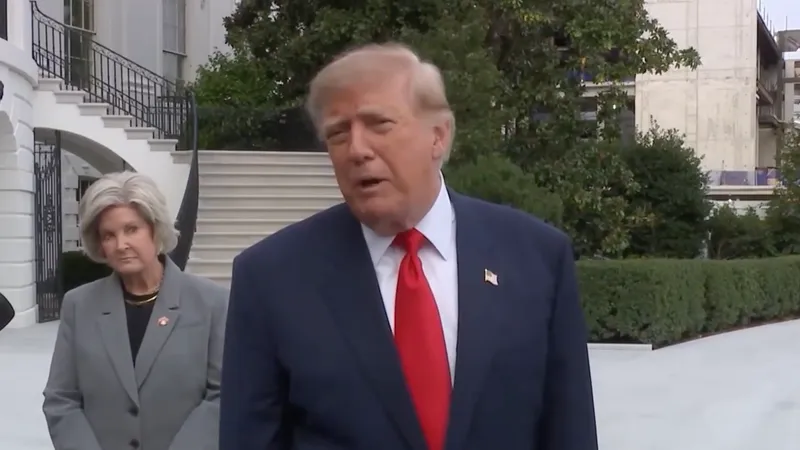
President Trump thanked Vladimir Putin for a diesel agreement covering an initial 300,000-plus US tons, despite objections from Ukraine.
Speaking Friday in Washington DC, Trump defended the arrangement as a way to ease fuel costs. Ukrainian President Volodymyr Zelensky criticized the agreement, exposing a disagreement between Washington and Kyiv over energy cooperation with Moscow while negotiations over Ukraine continue.
The agreement announced by Trump after a call with Putin envisages an immediate delivery exceeding 300,000 US tons. The announced schedule also includes 500,000 tons during November, followed by additional deliveries amounting to 4.8 million US tons.
Those quantities describe planned supplies, rather than completed deliveries. The distinction matters for assessing Trump's claim that the arrangement would lower fuel costs: an announced shipment schedule is not itself evidence of additional diesel reaching buyers.
Trump emphasized diesel when explaining his support for the agreement and thanked Putin directly. Asked about Zelensky's criticism, he defended the need for supplies rather than addressing the Ukrainian president's objections.
Trump also claimed that prices were already falling, saying: "Oil prices are already dropping like a rock." That assertion concerned oil prices; it did not establish the agreement's effect on the diesel costs paid by American consumers or businesses.
Kyiv objects as Moscow welcomes cooperation
Zelensky characterized the arrangement as a benefit to Moscow and called it a "weak decision by strong partners." His criticism placed the diplomatic consequences of the agreement alongside the fuel-price case advanced by Trump.
Moscow, meanwhile, said it was prepared to provide crude and refined fuels both to American buyers and internationally. Russian presidential envoy Kirill Dmitriev welcomed the arrangement, arguing that closer economic and energy ties between the two countries would help international markets.
The Kremlin said the presidents' conversation also covered Ukraine, Iran and relations between their governments. Its account placed the energy arrangement within a broader diplomatic exchange, rather than describing a discussion confined to commercial deliveries.
The announcement coincided with discussions in Miami involving US envoys Steve Witkoff and Jared Kushner alongside representatives from Ukraine and Europe. Those meetings concerned possible avenues toward ending the Ukraine conflict, creating a parallel diplomatic setting for Kyiv's objections.
Fuel costs test Trump's argument
The domestic backdrop is pressure over fuel costs before November's congressional midterm elections. Disruptions affecting energy supplies during the war involving Iran have accompanied higher diesel prices, with American drivers, agricultural producers and freight businesses among those affected.
If the promised deliveries reach buyers, the practical test of Trump's argument will be whether fuel costs fall, not simply whether shipments leave Russia. For farmers and transport operators, the relevant measure is the price of diesel they purchase.
If deliveries fall short of the announced schedule, the volume promised would remain distinct from the supply received. The initial shipment and November allocation provide concrete milestones for assessing implementation, while Zelensky's objections leave the political disagreement unresolved.