

Democratic Congressional Gains Signal Potential Shifts in U.S. Foreign Policy
Democratic control of Congress is expected to constrain U.S. foreign policy, potentially limiting military actions in Iran while increasing legislative…
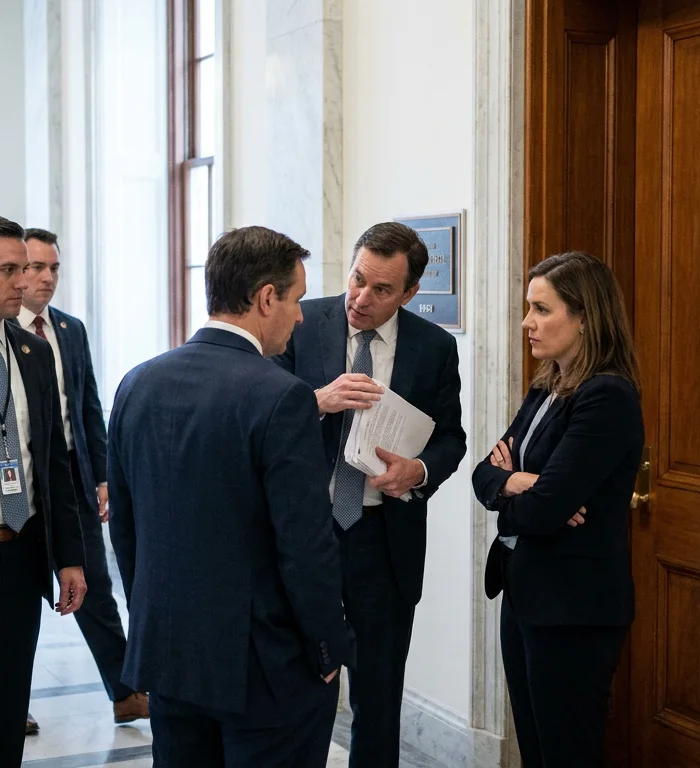
The Democratic Party has secured control of both houses of the U.S. Congress following the November 3 midterm elections. While official state channels maintain that the results are an internal U.S. matter, the shift in legislative power is expected to constrain the administration’s foreign policy agenda, particularly regarding ongoing military engagements.
Analysts suggest that the election outcome may limit the administration’s ability to pursue aggressive military strategies in Iran. By potentially curbing executive freedom, the new congressional majority may align with international calls for a negotiated resolution to the Iran nuclear issue and broader security concerns in the Strait of Hormuz. Conversely, the results are anticipated to increase congressional support for Ukraine, complicating potential trilateral diplomatic efforts involving Russia.
Beijing is preparing for a more transactional and Beijing is preparing for a more transactional and unpredictable U.S. foreign policy as the administration faces heightened domestic political pressure. Experts note that the administration may become increasingly legacy-driven or prone to risky, short-term actions in areas where it retains unilateral control. This volatility is expected to define the upcoming diplomatic engagements, including the APEC Leaders’ Meeting scheduled for November 18-19.
Institutional observers remain cautious regarding the impact on bilateral relations. While the administration has historically maintained a consistent policy toward China, the shift in legislative oversight may force a recalibration of U.S. approaches to Russia, Europe, and regional security. The upcoming summit between the U.S. and Chinese leadership will serve as a primary indicator of how the administration intends to navigate these new domestic constraints while managing its international commitments.
More stories
- FCC approves prison cellphone jamming despite 2.5-mile warning
- Congress tests Black Democrats' growing policy influence
- Cotton faults Lutnick over AI chips allegedly sent to China
- Vance declines to back Iran strikes as Trump defends war
- Paul seeks 20%-30% federal credit for U.S. film shoots
- Trump targets data centers abroad with tax threat to firms
- 2026 midterms squeeze GOP margins across deep red states
- Democrats win Congress as household costs test new power
Latest news
- Trump prepares tariffs on China and other major exporters
- New-car buyers pay record average $50,087 in October
- Banks face ECB reserve debate over liquidity and profits
- Investors see Anthropic debut gains fade below $83 a share
- Iraq orders federal control over Kurdish-area oilfields
- Germans oppose Ukraine aid as poll shows support slipping
- Kim Jong-un receives 10 envoys after constitutional shift
- Ukraine claims Libya strike sinks Russian naval corvette