

US Hyperscale Data Center Energy Consumption Rivals State-Level Demand
Rapid expansion of US hyperscale data centers is driving significant increases in fossil fuel-based energy consumption, triggering legislative scrutiny and…
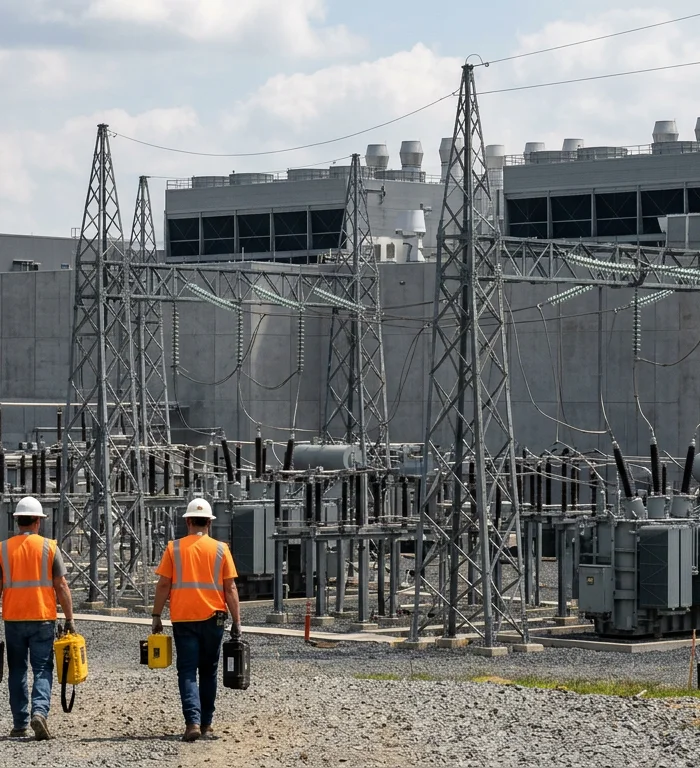
A recent assessment of 403 hyperscale data centers in the United States reveals that these facilities now consume between 68 and 99 terawatt-hours of electricity annually. This volume of power is comparable to the total electricity demand of the state of Michigan and accounts for approximately 1.8% of the total U.S. electricity load. The carbon footprint associated with these operations is estimated at 25.7 million metric tons of CO2, exceeding the annual greenhouse gas output of Denmark.
Fossil fuels remain the primary energy source for these facilities, providing 54% of their total electricity requirements. Natural gas accounts for 30% of this supply, while coal contributes 15%. The concentration of these facilities is geographically skewed, with Virginia, Ohio, Oregon, and Iowa hosting more than half of the total consumption identified in the study. Researchers note that these figures represent a snapshot from May 2024 through April 2025, suggesting that current consumption levels in late 2026 are likely higher due to the ongoing expansion of AI infrastructure.
United States
The rapid growth of data center capacity has triggered significant political and regulatory friction. Lawmakers are currently debating legislative proposals to accelerate infrastructure permitting while simultaneously requiring developers to assume greater financial responsibility for the grid upgrades necessitated by their operations. Some officials have advocated for a moratorium on new construction, citing concerns over grid stability and environmental impact.
Institutional risk is compounded by the fact that the current assessment excludes off-grid, dedicated gas generation facilities, meaning the total industry footprint is likely underestimated. With approximately 1,500 additional data centers currently under construction, the sector faces increasing pressure to reconcile its energy-intensive growth model with national decarbonization targets and existing grid constraints. Policymakers are expected to focus on the intersection of AI development, energy security, and environmental compliance as these facilities continue to outpace regional power supply capabilities.
More stories
- FCC approves prison cellphone jamming despite 2.5-mile warning
- Congress tests Black Democrats' growing policy influence
- Cotton faults Lutnick over AI chips allegedly sent to China
- Vance declines to back Iran strikes as Trump defends war
- Paul seeks 20%-30% federal credit for U.S. film shoots
- Trump targets data centers abroad with tax threat to firms
- Musk gives $158 million as Republicans defend Texas seat
- Trump halts execution livestream plan after backlash grows
Latest news
- Trump prepares tariffs on China and other major exporters
- New-car buyers pay record average $50,087 in October
- Banks face ECB reserve debate over liquidity and profits
- Investors see Anthropic debut gains fade below $83 a share
- Iraq orders federal control over Kurdish-area oilfields
- Germans oppose Ukraine aid as poll shows support slipping
- Kim Jong-un receives 10 envoys after constitutional shift
- Ukraine claims Libya strike sinks Russian naval corvette