

Musk gives $158 million as Republicans defend Texas seat
Elon Musk gave Senate Republicans’ main super PAC $158 million in September, matching transfers to a pro-Paxton group, federal filings show.
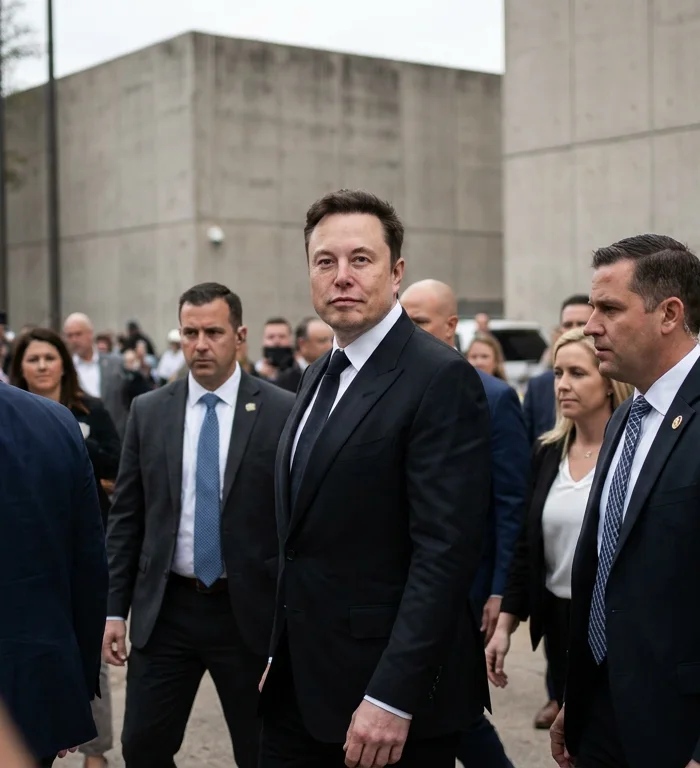
Elon Musk gave Senate Republicans' main super PAC $158 million in September, matching transfers to a pro-Paxton group, federal filings show.
The donations put Musk behind a financing effort supporting Texas Attorney General Ken Paxton as Republicans defend their Senate majority. They also highlight a distinction in the Texas contest: Democrat James Talarico leads in campaign fundraising, while Republicans hold the advantage in late-stage spending.
Talarico's fundraising meets Republican outside spending
Talarico's campaign said it collected $64 million during the third quarter, compared with more than $18 million reported by Paxton over that period. The Democratic state lawmaker's total exceeded Paxton's by more than threefold, a gap that campaign receipts alone do not fully explain once outside groups enter the picture.
Musk's September contributions went to the Senate Leadership Fund, the principal super PAC supporting Senate Republicans. Disclosures show that the organization subsequently transferred matching sums to Texas PAC, a connected group supporting Paxton that ranks first among advertisers in the race, according to AdImpact.
The distinction matters when assessing the candidates' financial positions. Talarico's campaign fundraising advantage and Republican spending strength describe different streams of money; the former does not establish which side has more resources reaching voters across the contest.
Matching transfers follow Musk's donations
The filings show a closely spaced sequence of contributions and transfers. Musk contributed $75 million to the Senate Leadership Fund on September 9, when Republicans opened their midterm convention in Dallas; the fund transferred an equal amount to Texas PAC the next day.
Two weeks afterward, Musk contributed another $83 million, exceeding his first payment. The following day brought another matching transfer to Texas PAC, completing the $158 million sequence disclosed for September.
His support for Paxton also extended through another organization. In August, Musk contributed $10 million to Lone Star Liberty PAC, which supports the Republican candidate, according to campaign-finance disclosures.
Musk lives in Texas, where Tesla and SpaceX also have their bases. Those connections place the contest in his home state, although the disclosed donations do not establish any company-specific policy objective or business benefit.
Texas fits a national Republican effort
Across Republican-aligned organizations, Musk's third-quarter contributions exceeded $250 million, filings show, placing the September Senate Leadership Fund donations within a broader national effort. Another recipient was his America PAC, which received $89 million.
Musk established America PAC to help President Trump win the 2024 election. The organization now supports Republican candidates in competitive contests nationwide and has spent more than $23 million backing individual candidates since July.
America PAC spokesman Andrew Romeo described the contributions as an effort to give Republicans “a fighting chance to defy history.” His explanation framed the spending around party control rather than a specific Texas policy commitment.
Republicans hold 53 Senate seats, against 47 held by Democrats and independents aligned with them. A Talarico victory would narrow that advantage, but chamber control would also depend on results elsewhere; Democrats have not won a Texas statewide office since 1994, and Beto O'Rourke's close challenge to Sen. Ted Cruz ended in defeat in 2018.
The remaining test is electoral rather than financial. If Republican spending helps Paxton retain the seat, it would preserve one component of the party's majority; if Talarico wins despite that spending, the fundraising and advertising totals would document resources deployed, not votes secured.
More stories
- White House backs Katie Zacharia as credentials face test
- Trump halts execution livestream plan after backlash grows
- Zampolli loses envoy post after reported diplomatic feud
- Trump's Iran war pledge links military claims to oil costs
- Kimberly Guilfoyle resigns as U.S. ambassador to Greece
- Trump reviews Guilfoyle amid disputed ethics allegations
Latest news
- Nighttime light exposure correlates with small heart changes in 11,000 adults
- Washington and Moscow in Talks on Data Centers, Nuclear Energy, Putin’s Envoy Claims
- Starshield limits disrupt Ukraine drones, officials say
- Tesla seeks $50,000 Roadster deposits after rocket-assisted demo
- Albanian students challenge Rama after 152 arrests
- Singapore P2P fares rise 12.3% in August
- Marisa Stachelski chooses risk-reducing surgery after BRCA2 test
- Lee Child backs nearly 500,000-book prison reading push