

Trump’s Iran war pledge links military claims to oil costs
President Trump pledges a swift end to the Iran war and cheaper oil, while reports of attacks near Hormuz point to shipping risks.
President Trump pledges a swift end to the Iran war and cheaper oil, while reports of attacks near Hormuz point to shipping risks.
Speaking at a Kalispell rally on Wednesday, Trump portrayed Iran's armed forces as severely weakened by American attacks. He linked his promise of lower fuel costs to an end to hostilities, offering an economic argument alongside his account of military gains.
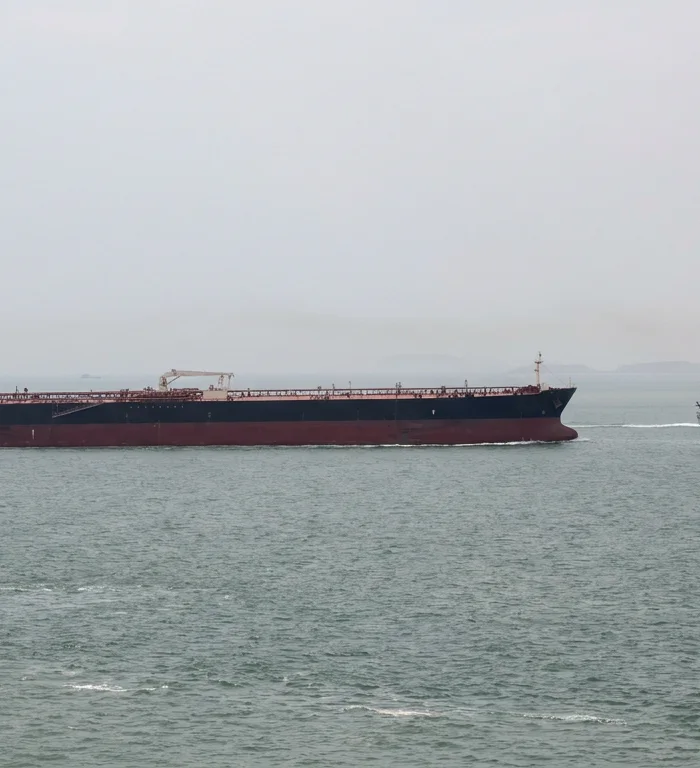
The pledge comes against continuing disruption around the Strait of Hormuz, an important passage for international oil shipments. Wednesday's reports described two vessels sinking nearby after attacks involving commercial shipping, although those accounts remain unverified.
Trump ties fuel relief to victory
Trump claimed that Iran's losses included 159 military vessels and 274 combat aircraft, alongside the elimination of successive ranks of senior leadership. Those figures represent his account of the campaign, not independently established losses.
At the rally, President Donald Trump said: "We're going to knock this Iran thing off fast. It's going to be over very quickly." He also characterized Tehran as eager to negotiate, a description that places the prospect of talks within his broader assertion of American military success.
His promise on energy prices was conditional on the fighting ending. That distinction matters for consumers: the remarks described an anticipated benefit of a future settlement or military outcome, rather than a reduction in prices already taking place.
Hormuz conditions complicate peace efforts
The joint American and Israeli offensive began February 28. Iranian counterattacks followed, while interruptions to shipping through Hormuz accompanied rising energy costs.
Tehran reportedly dismissed Washington's reply to its proposed peace terms as inadequate. The reported Iranian position also made a complete reopening of the passage dependent on its demands being satisfied, leaving the maritime issue tied to negotiations rather than solely to battlefield developments.
These accounts present different descriptions of the diplomatic position. Trump depicted an opponent seeking talks, while the reported response from Tehran indicated that agreement on terms had not been reached; neither account establishes how close the parties are to a settlement.
Nuclear objectives and shipping risks remain
Washington describes stopping Iran from acquiring nuclear arms as the purpose of its operation. Tehran maintains that its nuclear activities serve peaceful purposes, leaving the two governments publicly divided over the central justification for the campaign.
Trump also claimed that American strikes had disabled Iran's nuclear capability. His remarks did not establish the scope of the damage, and that assertion should not be treated as confirmation that the dispute over Iran's program has been resolved.
If an agreement ends hostilities and allows shipping to resume fully, it would address the disruption associated with the energy-price increase. If Tehran continues to condition access on unresolved demands, an announced military success alone would not establish that commercial passage has returned to normal.
The distinction is consequential for oil buyers and maritime operators. Trump's promise depends on an end to fighting translating into relief for energy markets; the reported attacks and disagreement over reopening Hormuz leave that sequence uncertain.
More stories
- Kimberly Guilfoyle resigns as U.S. ambassador to Greece
- Trump reviews Guilfoyle amid disputed ethics allegations
- Federal officers search Ilhan Omar home as midterms near
- Harris builds political team but leaves 2028 run undecided
- Isaias leaves 840,000 without power as rain risks persist
- Zelensky criticizes Trump over Russian fuel supply deal
- Supreme Court lets Trump mail-ballot order proceed for now
- FDA nomination pushes Trump into MAHA confirmation fight
Latest news
- IMF lifts Africa growth forecast to 4.5%, warns on debt
- McKinsey partner Bradley exits nonprofit as dispute widens
- AI stocks extend losses as CoreWeave drops 6% in premarket
- Javier Milei backs Flavio Bolsonaro in Brazil's run-off
- NEXANS request sets two-week wait for Cyprus cable surveys
- Fairfax wins Cabinet approval for ₹52,878 crore IDBI stake
- Poundland bosses back buyout for about 600 stores
- Fairfax faces CSB choice in $5.6bn IDBI stake deal