

Washington and Moscow in Talks on Data Centers, Nuclear Energy, Putin’s Envoy Claims
Russia-US talks include nuclear-powered data centers, Vladimir Putin’s investment envoy said Friday, although sanctions remain an obstacle to cooperation.
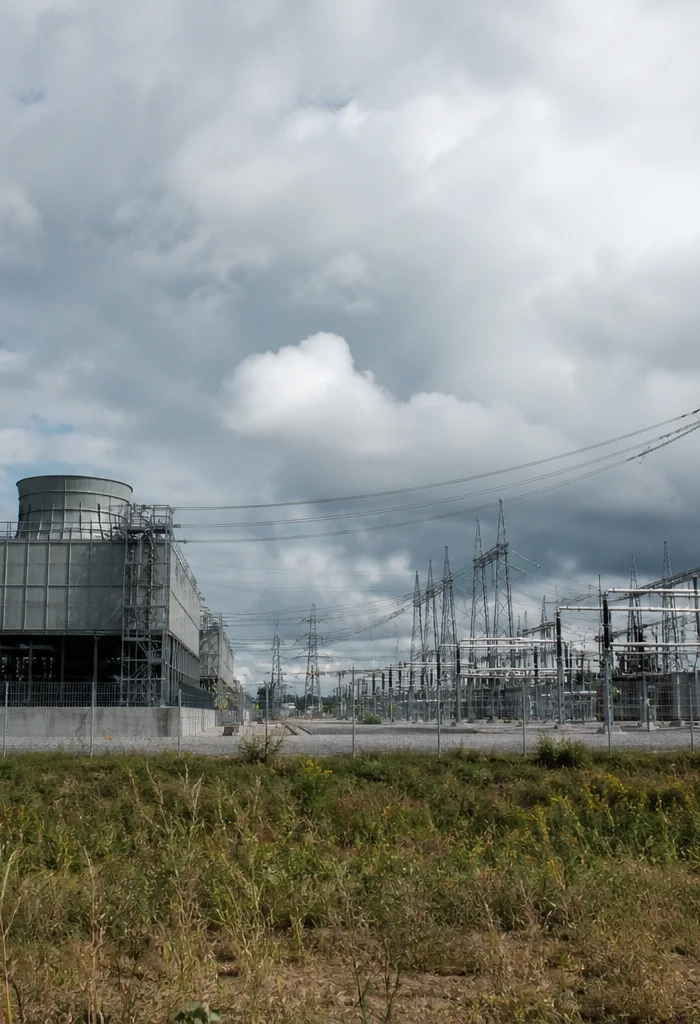
Russia-US talks include nuclear-powered data centers, Vladimir Putin's investment envoy said Friday, although sanctions remain an obstacle to cooperation.
Kirill Dmitriev described the discussions as part of a broader economic agenda following a diesel agreement reached the previous week. His account placed another potential energy-related venture on the bilateral agenda, but offered no details establishing how the data centers would be developed.
Sanctions complicate the proposed projects
Dmitriev said American sanctions presented serious barriers to cooperation. He also criticized a measure identified as the Graham Act, describing it as "misguided" and linking his objections to efforts to restrict Russian energy income through tariffs and sanctions.
The supplied account describes President Trump as having signed that measure last month. Its legal provisions and implementation timetable are not established in the material, leaving the precise restrictions relevant to any proposed data-center partnership unclear.
That distinction matters for assessing the talks: an expression of interest in cooperation is not an agreement to build or operate infrastructure. Dmitriev described projects under discussion, rather than announcing a completed investment arrangement or a construction commitment.
Nuclear proposal extends the energy agenda
The proposed cooperation would involve data centers in Russia and the US, with small nuclear plants among the power options being considered, according to Dmitriev. He did not explain which projects would use that technology or how responsibilities would be divided.
No participating businesses, investment amounts, locations or development schedules were identified in his account. Those omissions limit any assessment of the proposal's commercial scale, its implications for the nuclear industry or its potential contribution to computing capacity.
Dmitriev has advocated possible bilateral ventures involving energy and minerals. The diesel arrangement provides the immediate backdrop to his latest comments, although the material does not establish its terms or demonstrate that it creates a route around sanctions for other projects.
Ukraine war frames infrastructure discussions
The infrastructure proposal also sits alongside Dmitriev's involvement in negotiations concerning an end to the Ukraine war. His roles connect the economic discussions with a diplomatic process, but his comments do not establish that progress on one track depends on concessions in the other.
The security context is immediate: the supplied account reports Ukrainian attacks this month against data centers belonging to Russian technology company Yandex and banking and technology group Sberbank. Ukraine characterized those operations as retaliation for Russian attacks against Ukrainian facilities.
Neither Yandex nor Sberbank was identified as a participant in the proposed joint ventures. Their inclusion in the account concerns attacks on existing infrastructure, not an announced commercial role in the bilateral discussions.
If the discussions advance, named participants, financing commitments and an explanation of sanctions compliance would distinguish an actionable project from a diplomatic proposal. For now, Dmitriev's account establishes a Russian description of the agenda, not a jointly announced development plan.
More stories
- Starshield limits disrupt Ukraine drones, officials say
- Singapore P2P fares rise 12.3% in August
- Israeli settlers attack Palestinians, journalists in West Bank harvest
- Cyberattacks expose millions of records in Japan and South Korea
- Singapore coroner rules 20-year-old bodybuilder's death accidental
- PE and VC firms lift AI adoption to 71% in IFC survey
- Iran sanctions draw Tehran threat as oil routes tighten
- Ukraine war may see 300,000 new Russian troops, Kyiv says
Latest news
- Nighttime light exposure correlates with small heart changes in 11,000 adults
- White House backs Katie Zacharia as credentials face test
- Musk gives $158 million as Republicans defend Texas seat
- Tesla seeks $50,000 Roadster deposits after rocket-assisted demo
- Albanian students challenge Rama after 152 arrests
- Marisa Stachelski chooses risk-reducing surgery after BRCA2 test
- Lee Child backs nearly 500,000-book prison reading push