

SAG-AFTRA Leadership Lobbies for Federal AI Likeness Protections
SAG-AFTRA leadership is lobbying for the No Fakes Act to protect performers’ digital likenesses from AI, while simultaneously managing internal labor…
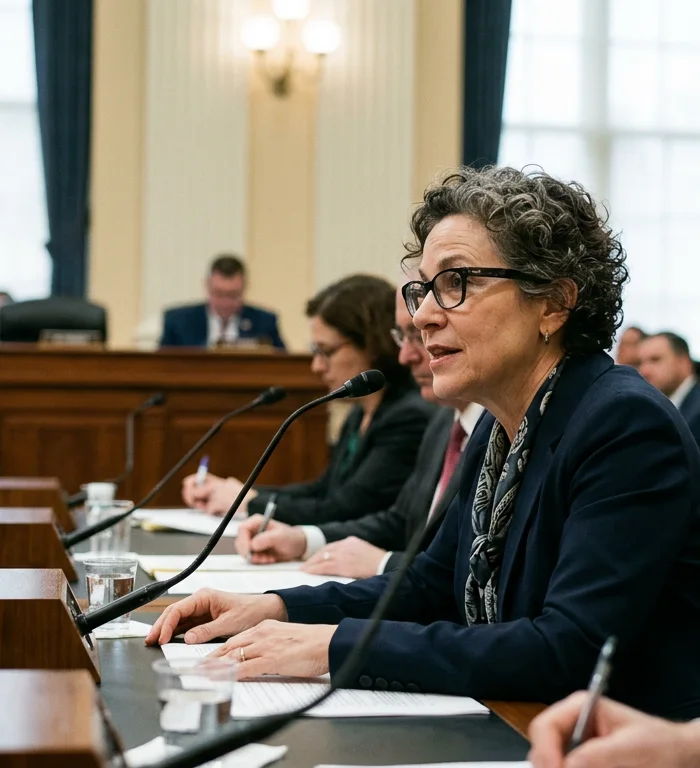
The leadership of the Screen Actors Guild-American Federation of Television and Radio Artists (SAG-AFTRA) is actively lobbying the U.S. federal government to advance the No Fakes Act. This proposed legislation seeks to establish a legal framework governing the unauthorized use of performers' digital likenesses by artificial intelligence models. Proponents argue that current federal oversight regarding AI-driven intellectual property infringement is insufficient, necessitating specific statutory protections for creative professionals.
The legislative push follows several high-profile incidents involving the unauthorized replication of celebrity voices and likenesses by generative AI developers. Industry stakeholders contend that the current lack of regulation facilitates the misappropriation of individual identity, which they compare to the distribution of stolen assets. While the bill has garnered support from hundreds of industry figures, it has yet to be scheduled for a formal floor vote in Congress.
Beyond the legislative efforts concerning AI, the union faces significant internal and structural challenges. Recent studio consolidation has raised concerns regarding labor market stability and job security, with union leadership characterizing these mergers as detrimental to the workforce. These developments have occurred alongside ongoing internal criticism regarding the affordability of union-managed health care benefits.
Union members have reported increasing difficulty maintaining health insurance coverage due to rising premium costs. While leadership has acknowledged the necessity of reform at both the state and national levels, no concrete policy adjustments have been implemented to address these financial pressures. The intersection of technological displacement and economic instability remains a primary focus for union governance as they navigate a shifting media landscape.
Looking forward, the efficacy of the No Fakes Act will serve as a bellwether for how federal regulators intend to balance technological innovation with individual property rights. Institutional observers should monitor whether the union can successfully leverage its lobbying efforts to secure federal protections while simultaneously managing the internal labor unrest caused by industry consolidation and rising benefit costs.
More stories
- FCC approves prison cellphone jamming despite 2.5-mile warning
- Congress tests Black Democrats' growing policy influence
- Cotton faults Lutnick over AI chips allegedly sent to China
- Vance declines to back Iran strikes as Trump defends war
- Paul seeks 20%-30% federal credit for U.S. film shoots
- Trump targets data centers abroad with tax threat to firms
- Cao faces Senate scrutiny over $32.5m-a-day Iran blockade estimate
- Nvidia forms security panel as chip controls tighten again
- New office conversions face safety halt at 222 Broadway
- Trump mail-in voting fight reaches Supreme Court docket
Latest news
- David Parr House to honor Victorian art-workman with blue plaque
- Iran's attacks hit 25 tankers near Strait of Hormuz
- Russia strikes Ukraine as Odesa faces electricity strain
- Bahrain reports two injuries after Iranian aerial attacks
- Baltic responders fight Sparta II fire after drone strike
- Dietitians advise small swaps for plant-based eating
- Europe faces attribution gap after 16 cyber, physical incidents