

Stephen Hubbard Freed After Direct US-Russia Talks
Stephen Hubbard is freed from Russian custody after direct talks between Donald Trump and Vladimir Putin alongside economic concessions.
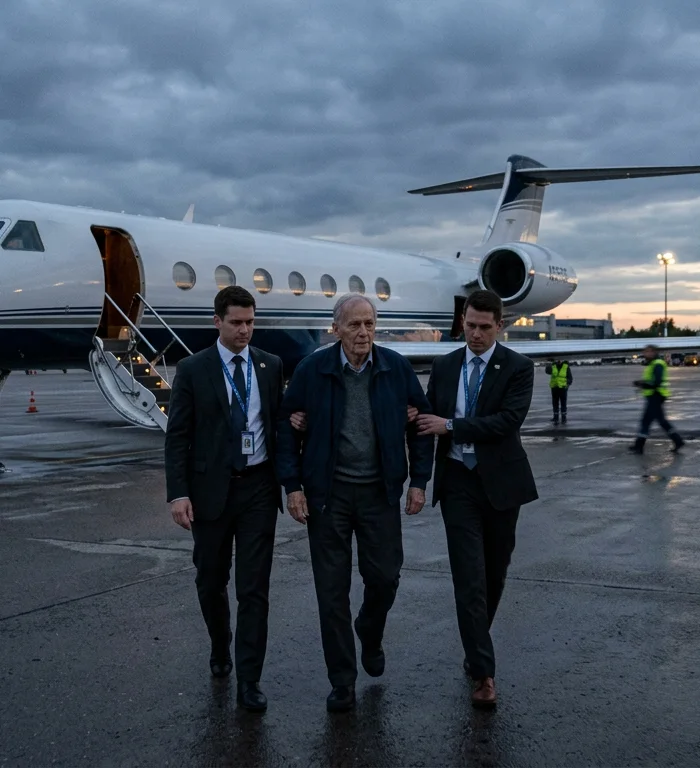
Washington has obtained the freedom of Stephen Hubbard, an American national who had been serving a seven-year custodial sentence inside the Russian penal system following convictions linked to alleged mercenary activity. The breakthrough was finalized without conducting a conventional prisoner swap, emerging instead from direct bilateral dialogue held between Donald Trump and Russian leader Vladimir Putin.
To establish favorable conditions for the high-level negotiations, the United States administration chose to halt planned sanctions intended to penalize Russia along with its global partner nations. This regulatory suspension represented a deliberate diplomatic opening, paving the way for broader bilateral engagement between the two governments.
The strategic shift also incorporated concrete economic adjustments presented by American negotiators to lower friction. Rather than relying entirely on conventional statecraft, officials introduced commercial concessions aimed at facilitating the dialogue that culminated in Hubbard's liberation.
Commercial Concessions and Envoy Talks in St. Petersburg
Central to these economic initiatives was a formal proposal by the United States to acquire 300,000 tonnes of refined Russian diesel fuel. By introducing a major petroleum transaction into diplomatic discussions, American officials created an economic framework that ran alongside the political dialogue between Washington and Moscow.
The operational arrangements ensuring Hubbard's discharge were concluded during an in-person summit in St. Petersburg supervised by presidential envoy Steve Witkoff. Witkoff finalized the terms directly with Russian counterparts, completing the procedures necessary to secure the American citizen's departure from custody without requiring Russian prisoners in return.
This resolution demonstrated an alternative negotiating structure, where economic inducements and targeted sanctions relief superseded reciprocal detainee exchanges. The successful execution of the agreement in St. Petersburg quickly altered diplomatic expectations between both administrations.
Trilateral Dialogue Prospects and Diplomatic Leverage on Kyiv
Immediately following Hubbard's liberation, the Kremlin indicated a readiness to resume three-party discussions involving representatives from the United States, Russia, and Ukraine. Russian officials signaled that such trilateral talks could potentially reconvene as soon as next month, marking a possible re-engagement on regional security matters.
In response to Moscow's signals, Ukrainian leadership stated an openness to engaging in trilateral negotiations, attaching the strict condition that Ukraine must be included as an active, direct participant throughout the entire process. Kyiv emphasized that discussions concerning the ongoing conflict cannot occur over Ukrainian heads or without direct state representation.
This diplomatic transition coincides with escalating pressure from the United States directed toward the Ukrainian government concerning the trajectory of the ongoing war. The combination of detainee liberation, sanctions pauses, proposed fuel purchases, and increased American leverage has introduced a new dynamic ahead of anticipated tripartite contacts next month.
More stories
- Eisenkot secures first coalition deal but lacks majority
- Germans oppose Ukraine aid as poll shows support slipping
- Kim Jong-un receives 10 envoys after constitutional shift
- Ukraine claims Libya strike sinks Russian naval corvette
- COP31 climate talks collapse over fossil fuels and funds
- Russian military faces 1,087 recorded suicides in Ukraine war
- Philippines explores Taiwan cable cooperation despite one-China policy
- State Department orders Saudi Arabia staff to leave posts
- Strait of Hormuz deal nears as Iran cites Oman route plan
- AfD victory tests Merz after Saxony-Anhalt state shock
Latest news
- Trump prepares tariffs on China and other major exporters
- New-car buyers pay record average $50,087 in October
- Banks face ECB reserve debate over liquidity and profits
- Investors see Anthropic debut gains fade below $83 a share
- Iraq orders federal control over Kurdish-area oilfields
- Nvidia shares retreat as AI rally cools before PCE data