Strait of Hormuz deal nears as Iran cites Oman route plan
Iran says a Strait of Hormuz accord with Oman is close, as tanker flows and US military actions keep energy markets on alert.
Omar Farouk ·
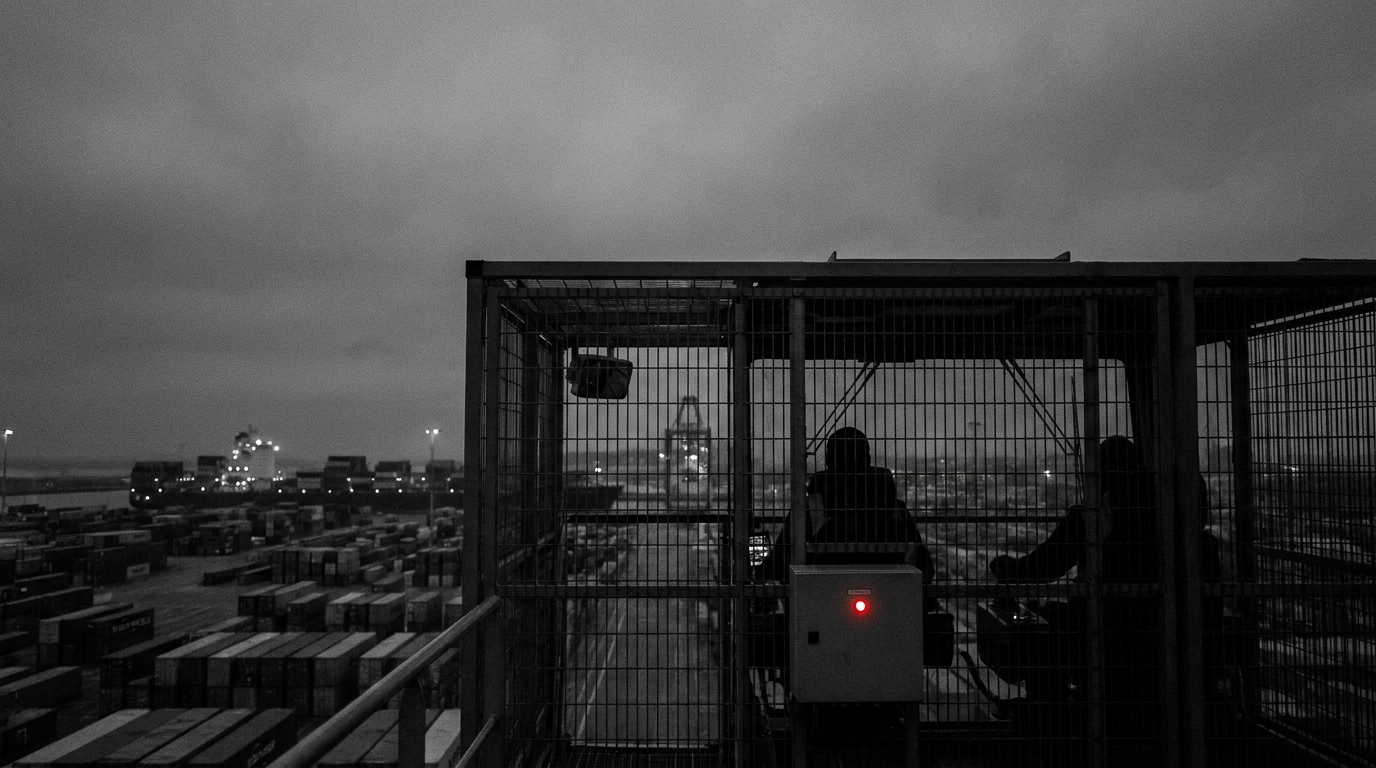
Iran said a Strait of Hormuz shipping deal with Oman is nearing completion after weeks of talks, with energy transit controls at stake.
Esmail Baghaei, spokesman for Iran’s Foreign Ministry, told reporters in Tehran on Monday that the two countries were in the final stages of agreeing details for a temporary safe route through the waterway. He said the arrangement would be recorded with the International Maritime Organization, the United Nations agency responsible for global shipping rules.
Oman route moves to paper
Baghaei described the proposed arrangement as an understanding rather than a broader treaty, according to his remarks. He said the talks had made "very good progress" and added that Tehran hoped unnamed third parties would not interfere.
The Strait of Hormuz is one of the main transit points for oil and refined fuels moving from the Gulf to international markets. A documented route involving Iran and Oman could give Tehran a more formal role in deciding which vessels move safely through the channel, depending on how the plan is applied.
Brent holds near $97
Brent crude traded slightly higher at almost $97 a barrel by 12 p.m. in London, after earlier reaching $97.93 during the session. Prices pared gains following the comments on the Iran-Oman talks, as traders assessed whether an agreed route would allow more commercial vessels to pass.
Analysts at Macquarie said Monday they were seeing about 7 million barrels a day of crude and refined products moving through Hormuz, citing client discussions. That compared with about 20 million barrels a day before the war began, according to the same analysts.
Macquarie also said a limited group of shipowners remained willing to cross the strait if compensation was high enough. That point matters for oil buyers because physical supply can keep moving even when the pool of available vessels narrows and freight costs rise.
Claims collide near the strait
Iran also claimed over the weekend that it attacked three ships using what it called an unauthorized route and three US-linked vessels elsewhere. People involved in transits through the strait, cited without names, said they had seen no evidence of major incidents from Iranian attacks in recent days.
The US military earlier said it struck three Iranian crude tankers, one of which was destroyed. It said the action followed the Islamic Revolutionary Guard Corps targeting two US Navy warships with ballistic missiles.
If the Iran-Oman route is documented and followed by shipowners, the immediate macro effect would be a lower disruption premium in crude markets as more cargoes move. For Iran and Oman, the mechanism would be operational control over a defined passage; for tanker operators and insurers, it would shift attention to route compliance, premiums and naval risk.
If the route is rejected by Washington or treated as limiting lawful passage, the mechanism changes from logistics to military signaling. In that scenario, energy markets would trade more on escalation risk, Iran would face a higher chance of confrontation around enforcement, and the shipping sector would price each crossing around naval protection and vessel ownership links.
If only a small cadre of shipowners keeps using Hormuz, global supply may continue but at a higher transport cost for refiners and consumers. The main open question is whether the proposed safe route becomes an accepted shipping procedure or another point of dispute among Iran, Oman and US forces.