

President Trump Attributes Midterm Losses to Economic Concerns and Foreign Policy
President Trump attributed recent midterm losses to voter dissatisfaction with rising fuel costs and foreign military engagements, despite positive labor…
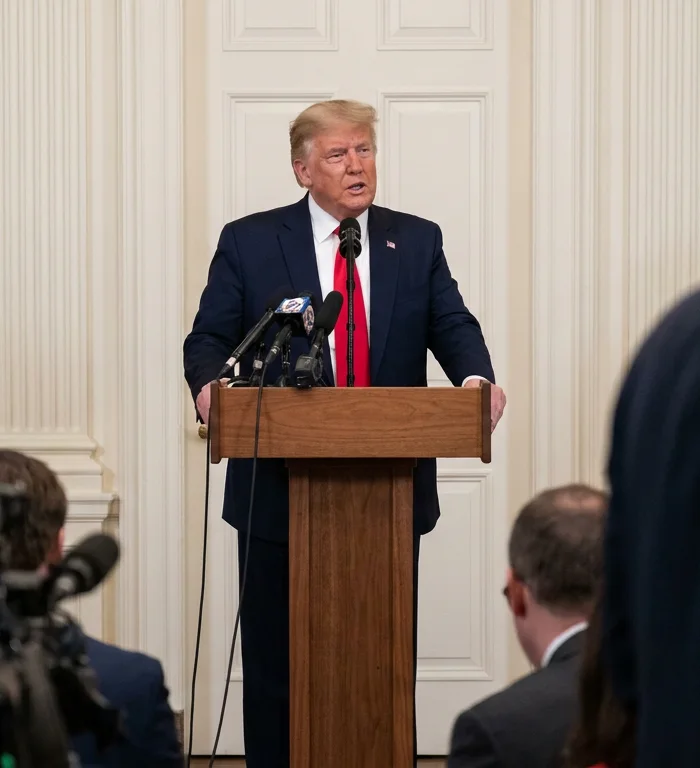
President Donald Trump has identified rising fuel costs and public dissatisfaction with ongoing military engagements in Iran and Ukraine as the primary drivers behind recent Republican losses in the midterm elections. While acknowledging the electoral defeat, the President maintained that his personal popularity remained high, citing the scale of his campaign rallies as evidence of continued voter support. He argued that his personal appeal failed to transfer to endorsed candidates, suggesting that voters were either dissatisfied with specific nominees or opted not to participate in the election entirely.
Regarding the domestic economy, the President addressed the disconnect between positive labor market data and negative public sentiment. Despite reporting low unemployment rates throughout his second term, he acknowledged that the increased cost of living, specifically gasoline prices, has significantly impacted voter perception. He contrasted current fuel costs with those during his first term, framing the current economic environment as a central factor in the party's electoral performance.
On the international front, the President emphasized a policy of non-interventionism, claiming credit for de-escalating multiple global conflicts, including tensions between India and Pakistan. He reiterated a firm stance against nuclear proliferation in Iran and expressed concern regarding shifting public sentiment toward Israel. These foreign policy positions were presented as key components of his political platform that influenced the electorate's decision-making process during the midterms.
The administration faces a complex political landscape as it navigates the remainder of its term. The inability to successfully transfer presidential approval to down-ballot candidates suggests a potential shift in party dynamics and voter priorities. Policymakers should monitor how these electoral results influence future legislative agendas, particularly regarding energy policy and foreign military commitments, as the administration attempts to reconcile strong macroeconomic indicators with persistent public dissatisfaction over inflation and global instability.
More stories
- FCC approves prison cellphone jamming despite 2.5-mile warning
- Congress tests Black Democrats' growing policy influence
- Cotton faults Lutnick over AI chips allegedly sent to China
- Vance declines to back Iran strikes as Trump defends war
- Paul seeks 20%-30% federal credit for U.S. film shoots
- Trump targets data centers abroad with tax threat to firms
- Trump staff shake-up puts Miller in Wiles’ White House position
- Stephen Miller succeeds Wiles as White House chief of staff
- Oil and Iran frame Trump’s pitch before November midterms
- Congress faces Supreme Court rulings with control at stake
Latest news
- Trump prepares tariffs on China and other major exporters
- New-car buyers pay record average $50,087 in October
- Banks face ECB reserve debate over liquidity and profits
- Investors see Anthropic debut gains fade below $83 a share
- Iraq orders federal control over Kurdish-area oilfields
- Germans oppose Ukraine aid as poll shows support slipping
- Kim Jong-un receives 10 envoys after constitutional shift
- Ukraine claims Libya strike sinks Russian naval corvette