

Projected Security Costs for 2028 Los Angeles Olympics Reach $4 Billion
Security costs for the 2028 Los Angeles Olympics are projected to reach $4 billion, far exceeding the $1 billion currently allocated by the federal government.
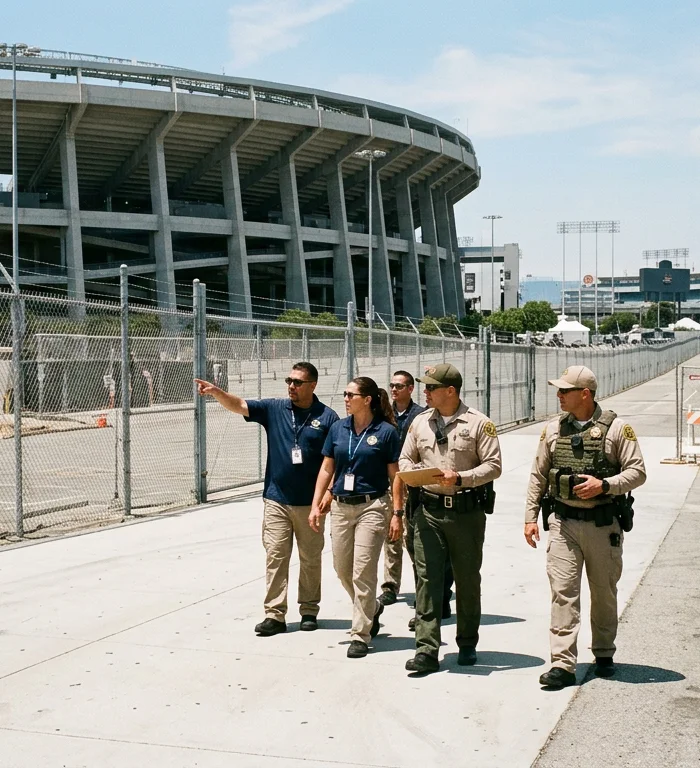
The projected cost to provide security for the 2028 Summer Olympics in Los Angeles is estimated to reach between $3.5 billion and $4 billion. This figure significantly exceeds the $1 billion in federal funding currently allocated by Congress for the event. Law enforcement leadership indicates that the $1 billion federal appropriation is insufficient to cover the comprehensive security requirements across the various competition venues.
Operational plans necessitate the deployment of approximately 9,400 officers daily during peak periods to secure venues, with a total regional force of up to 16,000 officers expected to be active simultaneously. The Los Angeles Police Department anticipates providing roughly 25% to 33% of this personnel, with the remainder sourced from external law enforcement agencies. The Department of Homeland Security has designated the Games as a National Special Security Event, placing the U.S. Secret Service in charge of coordinating the multi-agency response.
Financial responsibility for costs exceeding the current $1 billion federal allocation remains unassigned. Olympic organizers have not established a dedicated security budget for areas outside of competition venues, creating a potential fiscal gap for municipal and state governments. Officials are currently preparing to submit formal proposals for the distribution of the existing federal funds, which are expected to be released in 2027.
Leadership transitions within the Los Angeles city government may impact the execution of these security strategies. Mayor-elect Nithya Raman has indicated potential changes to police department leadership, though official statements emphasize a commitment to public safety regardless of administrative shifts. Future security planning will likely depend on the ability of local officials to secure additional federal appropriations from the incoming Congress to address the projected funding shortfall.
More stories
- FCC approves prison cellphone jamming despite 2.5-mile warning
- Congress tests Black Democrats' growing policy influence
- Cotton faults Lutnick over AI chips allegedly sent to China
- Vance declines to back Iran strikes as Trump defends war
- Paul seeks 20%-30% federal credit for U.S. film shoots
- Trump targets data centers abroad with tax threat to firms
- Cao faces Senate scrutiny over $32.5m-a-day Iran blockade estimate
- Nvidia forms security panel as chip controls tighten again
- Iran war poll shows Trump approval stuck at 33% record low
- H-1B visa fee proposal raises stakes for tech hiring plans
Latest news
- Trump prepares tariffs on China and other major exporters
- New-car buyers pay record average $50,087 in October
- Banks face ECB reserve debate over liquidity and profits
- Investors see Anthropic debut gains fade below $83 a share
- Iraq orders federal control over Kurdish-area oilfields
- Germans oppose Ukraine aid as poll shows support slipping
- Kim Jong-un receives 10 envoys after constitutional shift
- Ukraine claims Libya strike sinks Russian naval corvette