

Democratic Midterm Sweep Complicates US Foreign Policy and Taiwan Arms Funding
Democratic control of Congress following the midterm elections creates significant legislative hurdles for the administration’s foreign policy, starting with…
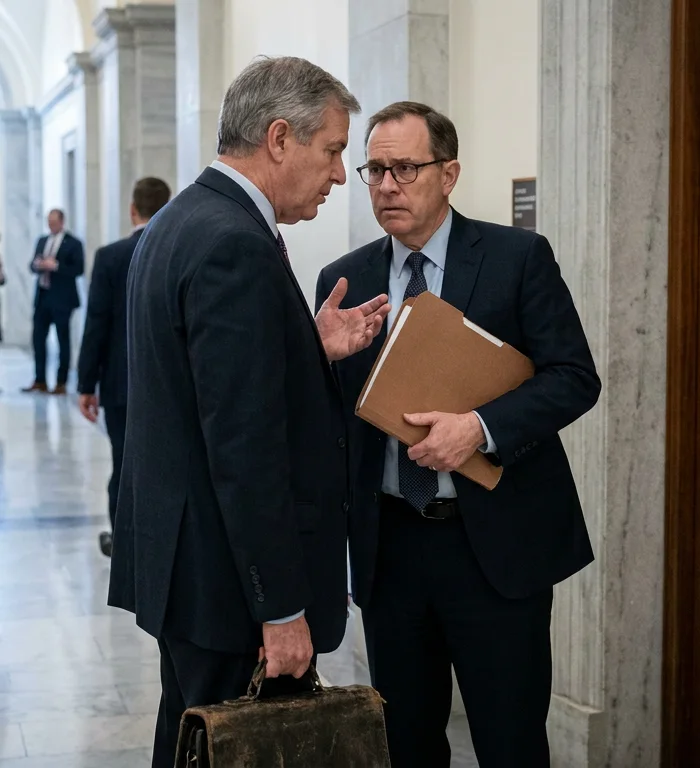
The Democratic Party has secured control of both the House of Representatives and the Senate following the recent midterm elections. This shift in legislative power creates a divided government, as the executive branch remains under the leadership of President Donald Trump. The election results reflect significant voter dissatisfaction regarding the ongoing conflict in Iran, domestic inflationary pressures, and the current administration's leadership style.
Legislative oversight of foreign policy is expected to intensify as a result of this shift. Public polling indicates that a substantial majority of the electorate supports increased congressional scrutiny of presidential authority. This mandate for checks and balances will likely constrain the administration's ability to execute its foreign policy agenda without significant legislative negotiation.
The Democratic Party
A primary indicator of this new political dynamic is the status of a $14 billion arms package intended for Taiwan. The package, which has faced previous delays, includes critical defense assets such as hundreds of Patriot interceptors, nine National Advanced Surface-to-Air Missile Systems, and an Integrated Battle Command System. The legislative path for this funding will serve as a benchmark for the administration's ability to maintain party discipline and secure bipartisan support for its strategic priorities.
For international stakeholders, particularly in Beijing, the focus has shifted from the administration's stated policy objectives to the practical reality of domestic political constraints. The ability of the executive branch to compel Republican lawmakers to align with its foreign policy goals is now in question. Future diplomatic engagements and security commitments will be subject to heightened congressional review, potentially leading to prolonged negotiations and increased volatility in US-China relations.
More stories
- FCC approves prison cellphone jamming despite 2.5-mile warning
- Congress tests Black Democrats' growing policy influence
- Cotton faults Lutnick over AI chips allegedly sent to China
- Vance declines to back Iran strikes as Trump defends war
- Paul seeks 20%-30% federal credit for U.S. film shoots
- Trump targets data centers abroad with tax threat to firms
- Democrats hold Michigan Senate seat with El-Sayed victory
- Democrats face limits on gains as midterm voting arrives
- E. Jean Carroll wins order for $5.8M Trump escrow funds
- Birthright citizenship fight heads back to justices again
Latest news
- Trump prepares tariffs on China and other major exporters
- New-car buyers pay record average $50,087 in October
- Banks face ECB reserve debate over liquidity and profits
- Investors see Anthropic debut gains fade below $83 a share
- Iraq orders federal control over Kurdish-area oilfields
- Germans oppose Ukraine aid as poll shows support slipping
- Kim Jong-un receives 10 envoys after constitutional shift
- Ukraine claims Libya strike sinks Russian naval corvette