

Turkey adjusts regional defense posture and military alliances
Turkey is transferring its Bashiqa-Zilkan base to Iraq while expanding regional defense partnerships and modernizing its air transport capabilities.
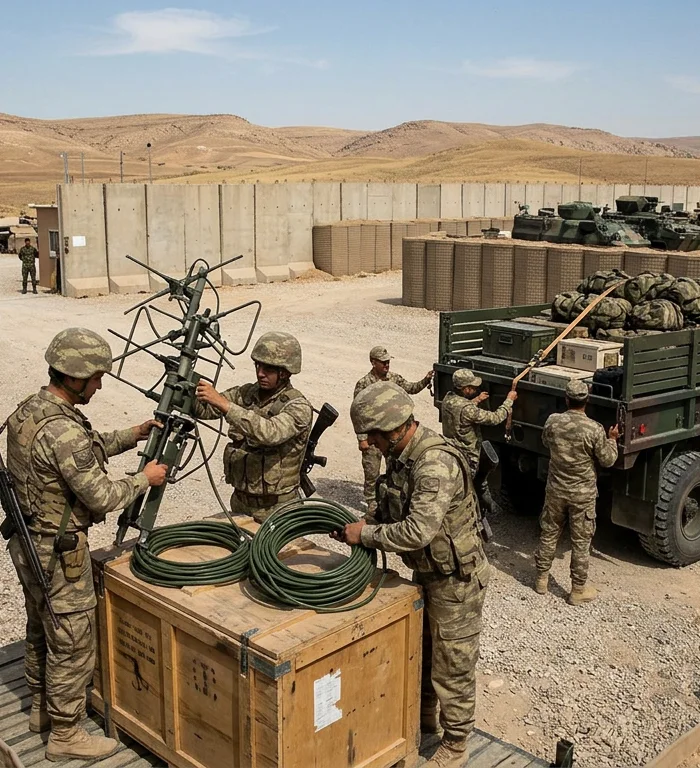
Base Transfer and Security Cooperation
The Turkish government has initiated the phased handover of the Bashiqa-Zilkan military facility in Iraq to local authorities. This decision follows recent improvements in regional security conditions within the Sinjar area, where the site has been operational since 2015. Ankara intends to shift its focus toward collaborative counter-terrorism efforts and long-term capacity-building programs with Iraqi security forces.
Maritime Sovereignty and Eastern Mediterranean Policy
Ankara maintains its firm stance regarding maritime jurisdiction and continental shelf rights in the Eastern Mediterranean. Officials have stated that unauthorized scientific research or infrastructure projects, such as cable laying, will not be permitted within these contested waters. The government further expressed concern that recent military acquisitions by the Greek Cypriot administration could destabilize the island.
Regional Defense Coordination
Military leadership from Turkey, Saudi Arabia, and Pakistan recently convened in Riyadh to discuss collective defense strategies. The participants reached a consensus on enhancing military coordination and strengthening mutual defense capabilities. This meeting signals a broader effort to align security interests among these regional partners.
Modernization of Air Logistics
In a move to upgrade its logistics fleet, Turkey expects the arrival of its first two C-130J transport aircraft from the United Kingdom this December. This acquisition is part of a larger procurement deal for 12 units intended to bolster operational reach. Personnel training for these new platforms is currently proceeding according to the established schedule.
Risks and Uncertainties
While the transfer of the Bashiqa base aims to improve bilateral relations, the long-term effectiveness of the new security cooperation model remains to be seen. Furthermore, the geopolitical environment in the Eastern Mediterranean continues to present challenges, as competing claims over maritime boundaries remain unresolved. The success of these defense initiatives depends heavily on sustained diplomatic engagement and the stability of regional alliances.
More stories
- Eisenkot secures first coalition deal but lacks majority
- Germans oppose Ukraine aid as poll shows support slipping
- Kim Jong-un receives 10 envoys after constitutional shift
- Ukraine claims Libya strike sinks Russian naval corvette
- COP31 climate talks collapse over fossil fuels and funds
- Russian military faces 1,087 recorded suicides in Ukraine war
- NATO working group excludes key allies from Poland talks
- Ethiopia Artillery Kills 52 Civilians in Tigray Town
- Strait of Hormuz traffic trails 10-day norm after strikes
- India protest cases dropped as CJP cancels Sept. 5 march
Latest news
- Trump prepares tariffs on China and other major exporters
- New-car buyers pay record average $50,087 in October
- Banks face ECB reserve debate over liquidity and profits
- Investors see Anthropic debut gains fade below $83 a share
- Iraq orders federal control over Kurdish-area oilfields
- Nvidia shares retreat as AI rally cools before PCE data