NATO working group excludes key allies from Poland talks
A Pentagon-led NATO working group has invited six allies to Poland talks, excluding Britain, France and Baltic states as Trump presses burden-sharing.
Lauren Collins ·
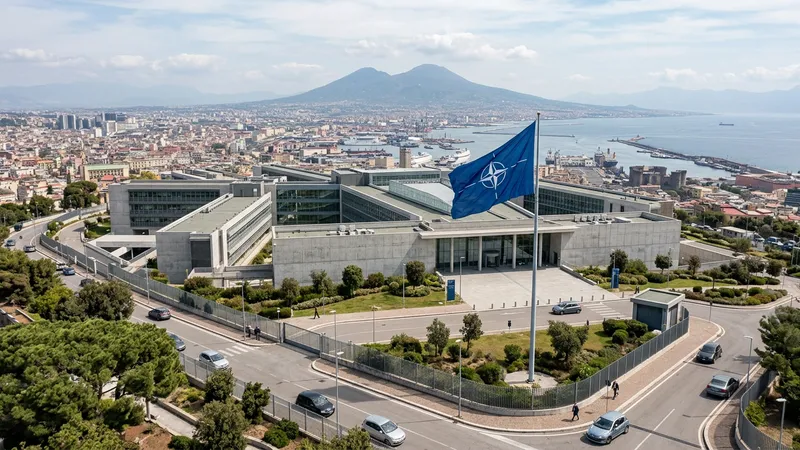
NATO working group planning led by the Pentagon gives six allies seats at Poland talks, excluding major partners as Trump presses spending.
The meeting, planned for next month in Poland, is being organized by Elbridge Colby, the Pentagon's policy chief, according to six diplomats familiar with the discussions. Britain, France and the Baltic states are among the governments left without invitations, despite their defense roles inside the alliance.
The White House did not respond to a request for comment; the Pentagon declined to comment. An official from an excluded allied government said, "We're doing everything that is being asked of us," adding that the criteria and purpose of the talks had not been clearly explained.
Six allies get seats
Colby has already convened two meetings in the same format with Norway, Sweden, Finland, Poland, Germany and the Netherlands, diplomats said. The gathering is known among participants as the Bergen Group format, after an initial meeting in Bergen, Norway, in June.
A diplomat from one invited country said the smaller table is intended to generate proposals for the full alliance rather than divide it. "This can be an engine for transformation," the diplomat said, while acknowledging that excluded governments are frustrated.
The invited group includes several northern and central European countries that have emphasized defense readiness since Russia's full-scale invasion of Ukraine in 2022. The exclusions are drawing attention because Britain, France and the Baltic states also rank among NATO's most active military and political actors.
Trump ties loyalty to burden
President Trump has pressed NATO governments to align more closely with U.S. priorities since returning to office. His administration has criticized allies over their positions on Iran and over the failure of some members to spend 5% of GDP on defense.
Defense Secretary Pete Hegseth has used a similar framework, praising what he calls "model allies" and warning that governments that do not back U.S. interests could face consequences. The administration previously examined ways to distinguish between countries it viewed as cooperative and those it viewed as obstructive.
Colby has framed the smaller format as a practical forum for allies moving quickly on spending commitments made at The Hague. After the Bergen meeting, he wrote that the participants were NATO allies "ready to get down to practical business."
At a Washington conference this month, Colby said the goal was to "pull the whole alliance along" and build a NATO with greater European military capacity. His policy record has long favored smaller defense discussions, stronger European forces and a U.S. focus on China's rise.
Greenland deal may widen table
Denmark could be added next, according to a person familiar with the planning. That possibility follows a U.S.-Danish agreement to expand the American military footprint in Greenland, a territory with growing strategic value in the Arctic.
For Copenhagen, a seat would signal that bilateral defense cooperation can translate into influence inside the smaller NATO process. For excluded governments, it would reinforce the view that the format is being shaped by White House priorities as much as alliance-wide military need.
Excluded powers sharpen cohesion risk
Even some invited diplomats are questioning why the Pentagon has left out some of Europe's largest defense players. One diplomat familiar with the discussions said splitting NATO into favored and disfavored members would be "dangerous for the U.S." and "existential" for Europe.
If the Poland format stays narrow, the mechanism is political as much as military: excluded allies may resist proposals they did not help design, slowing consensus inside NATO. That would affect the alliance's ability to replenish weapons stocks, coordinate support for exposed eastern members and maintain a common line toward Russia.
If the administration broadens the group or clearly defines its criteria, the smaller format could become a drafting table for proposals later tested by all members. The main open question is whether the next meeting clarifies the rules for entry or deepens the divide over who gets influence in NATO's next phase.