Ethiopia Artillery Kills 52 Civilians in Tigray Town
Ethiopia fighting around Alamata has killed at least 52 civilians, hospital sources said, while clashes disrupted Lalibela tourism and Tigray services.
Amina Diallo ·
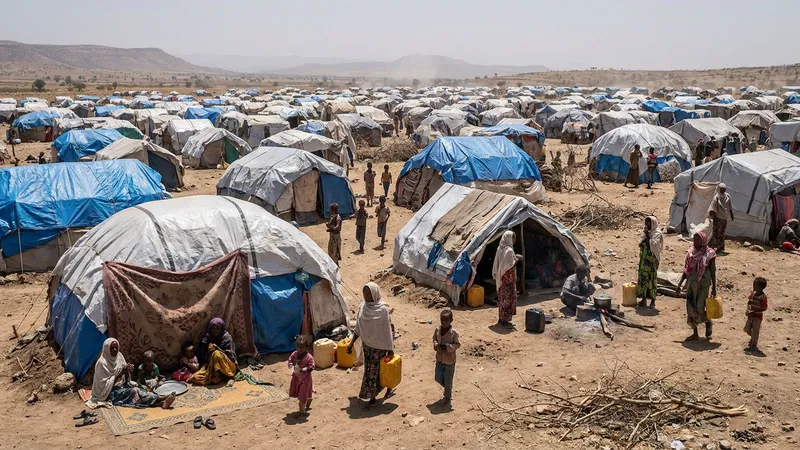
Ethiopia fighting around Alamata has killed at least 52 civilians in three days, hospital sources said, widening pressure on Tigray and Amhara.
Alamata toll reaches 52
Hospital sources said the deaths occurred between Saturday and Monday as heavy explosives and artillery hit parts of Alamata. A doctor at Alamata General Hospital, speaking anonymously, said those killed included children, mothers and cattle herders.
One strike on the town marketplace killed 12 people, the medic said, anchoring the civilian toll in a single attack rather than only dispersed crossfire. Medical charity Médecins Sans Frontières said more than 700 wounded people had entered hospitals it supports in Tigray over the last few days.
Federal forces now appear to control Alamata, according to accounts from the area and clips circulated online that were described as showing army tanks in the streets. The apparent shift follows months of tension between the federal government and the Tigray People's Liberation Front, the party that controls Tigray.
Both sides have framed the latest fighting as a response to the other. The Tigray People's Liberation Front says it was reacting to a federal offensive, including drone strikes, while the government says Tigrayan forces moved first after taking airports in the region.
Lalibela airport closure strands visitors
The conflict has also reached neighboring Amhara, where 33 tourists have been stranded in Lalibela for about a week. The town is known for rock-cut churches dating to the 13th century and is a pilgrimage site for millions of Orthodox Christians.
Commercial flights stopped last Wednesday after the airport closed, leaving visitors dependent on evacuations or risky road travel. A British tourist said 53 visitors had initially been in the town; 14 Israeli tourists were flown out by military helicopter on Monday, and five others left a day earlier in an NGO convoy.
The fighting near Lalibela has involved the army and an Amhara militia that has aligned with Tigrayan forces. Earlier in September, those groups joined other Ethiopian armed movements in a seven-member alliance that said its goal was to remove the government in Addis Ababa.
Afar corridor widens the risk
The conflict's geography matters beyond Tigray. Tigrayan fighters are also active in Afar, a strategic area linking landlocked Ethiopia to Djibouti and its ports, making the route relevant to trade, fuel supplies and humanitarian access.
Eritrea is another point of uncertainty. The Ethiopian government has accused Asmara of backing armed groups, an allegation Eritrea denies, and any cross-border role would add a regional layer to a conflict still shaped by the 2022 deal that ended a two-year civil war.
Inside Tigray, daily life has tightened as the fighting has spread. The government has suspended banking services in the region, while internet access has also been cut, though the order behind the telecoms shutdown has not been confirmed.
A source in Alamata said the town had filled with people walking from nearby areas in search of safety. With banking, power, internet and phone links disrupted, displaced residents have fewer ways to buy supplies, contact relatives or arrange transport out.
If federal forces hold Alamata and advance north, pressure would shift toward Mekelle and the Tigray People's Liberation Front's political center. That path would deepen Ethiopia's security burden, expose civilians to further disruption and keep tourism operators in Amhara under pressure until transport routes reopen.
If fighting instead expands in Afar or draws in Eritrea, the mechanism becomes regional rather than local: port access, military deployments and cross-border accusations would carry greater weight. The main open questions are whether Lalibela airport reopens, whether communications in Tigray are restored and whether the 2022 settlement retains any practical force.