Iran talks push oil lower as Trump shelves Iran strike plan
President Trump said Iran talks will resume Monday after he canceled planned strikes, keeping focus on Hormuz access and Tehran’s nuclear program.
Lauren Collins ·
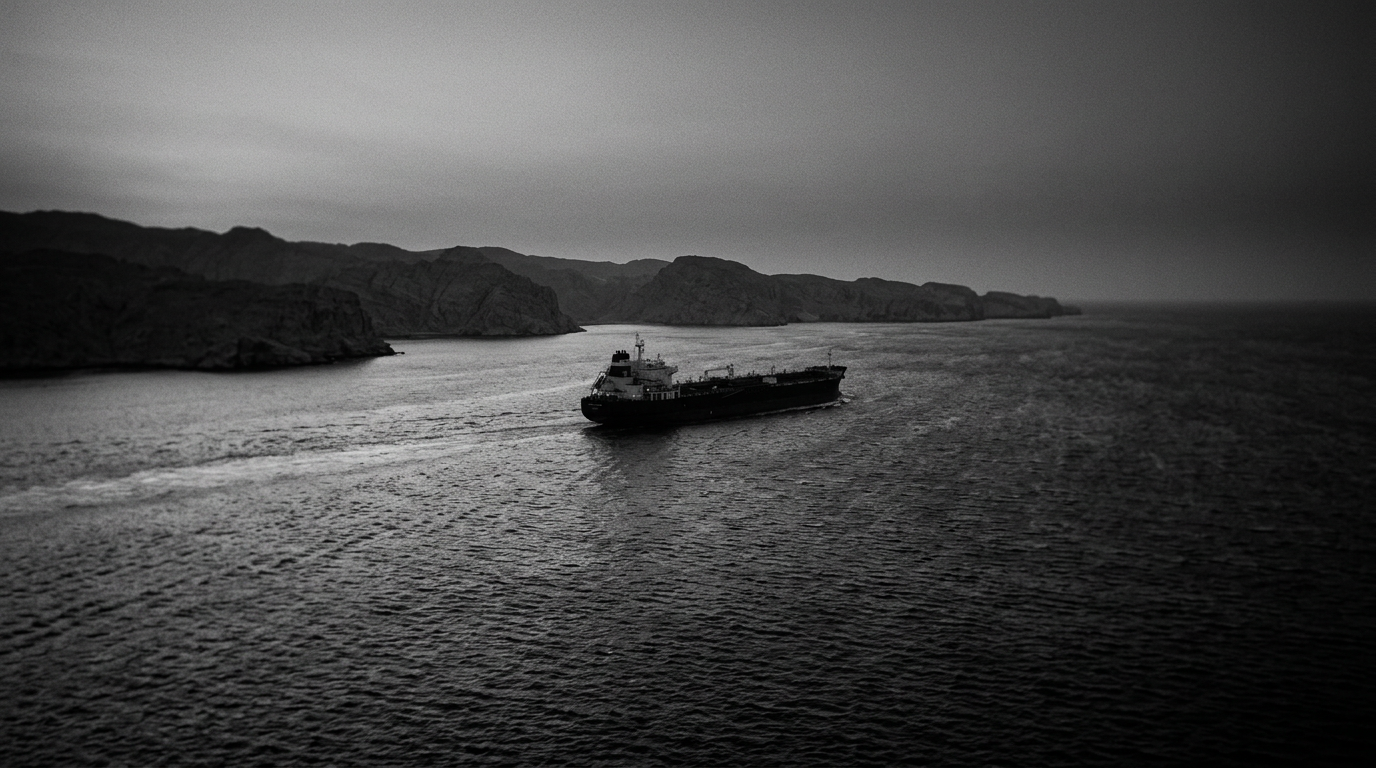
Iran talks are set for Monday after President Trump canceled planned strikes, tying the pause to diplomacy over Hormuz and Tehran’s nuclear program.
Trump told reporters aboard Air Force One on Sunday, Aug. 2, 2026, that he had pulled back from an attack that he said would have been far larger than any strike since World War II. “We’re just going to see whether or not we can make a deal,” he said, adding, “I’m not looking to kill people.”
Hormuz talks shift the timetable
The immediate question is whether diplomacy can reopen the Strait of Hormuz, the waterway whose disruption has pushed energy markets into sharp swings. Trump said talks would begin Monday afternoon and suggested an agreement may be close, while also saying he would keep pressing to end Iran’s nuclear program.
Iranian Foreign Minister Abbas Araghchi said on Telegram that Iran and Oman were near the end of negotiations. Esmail Baghaei, Araghchi’s spokesman, told Iranian state-run television that the two countries were discussing a new route through the Strait of Hormuz, not the broader question of whether the passage would be open or closed.
That distinction matters. A navigational arrangement could ease immediate shipping pressure without settling the larger conflict over Iran’s nuclear activities, regional attacks and the terms under which the US would accept de-escalation.
Saudi pressure enters Trump’s calculus
Trump said Saudi Crown Prince Mohammed bin Salman urged him over the weekend to favor negotiations over strikes. The official Saudi news agency said the crown prince stressed dialogue as the route to lower tensions, a position that reflects the Gulf’s direct exposure to missile attacks, disrupted airspace and energy infrastructure risk.
The conflict has already widened beyond Iran and the US. Iranian attacks have targeted American allies across the Middle East, while US embassies in the region warned Americans on Saturday to prepare for flight cancellations, temporary airspace closures and other travel disruption.
The political ledger is uneven. Gulf governments gain if talks reduce the risk of refugee flows, retaliation or damage to oil facilities; Iran gains time and leverage if the strike threat recedes without firm concessions; Trump gains a diplomatic off-ramp if Hormuz reopens quickly, but carries the risk that a pause looks like a threat withdrawn under pressure.
Oil prices price in restraint
Markets moved as soon as the military risk appeared to ease. Brent crude for October delivery fell as much as 7.3% to $81.55 a barrel in early Monday trading, after futures had risen almost 25% in July.
The move came after Brent ended the previous week above $90 a barrel, compared with below $72 at the start of July. Major OPEC+ producers also agreed in principle on Sunday to another small increase in September production quotas, a step that would complete the theoretical return of supplies halted in 2023 and leave room for more barrels if the war cools.
Israel is watching rather than joining the latest diplomatic track. Zev Elkin, a member of Prime Minister Benjamin Netanyahu’s security cabinet, told local Army Radio there was “some kind of vector toward an agreement between Iran and Oman,” while warning that implementation remained the real test.
The pause follows a failed June US-Iran truce and another late-July halt in strikes meant to give diplomacy a chance. That lull ended Tuesday night after Tehran launched what Trump called a surprise attack involving multiple ballistic missiles at a US military base in Jordan.
If Monday’s talks produce a workable Hormuz route, the macro effect would run through oil prices, shipping schedules and airline operations; the White House would gain a near-term argument for restraint; and energy producers, carriers and insurers would face less immediate disruption. If the talks fail, the same channels reverse: crude risk premiums could rebuild, Trump would confront renewed pressure to act, and Gulf energy and transport networks would remain exposed.
The narrow path is an interim deal that opens the strait while leaving the nuclear file unresolved. That would lower the temperature without ending the conflict, making verification, Iranian-backed attacks and Israel’s response the practical tests after Monday’s negotiations begin.