China heat wave threatens corn, rice and cotton crops now
China heat wave warnings point to crop risks in corn, rice and cotton areas, with South Korea also reporting record heat damage.
Mei Lin ·
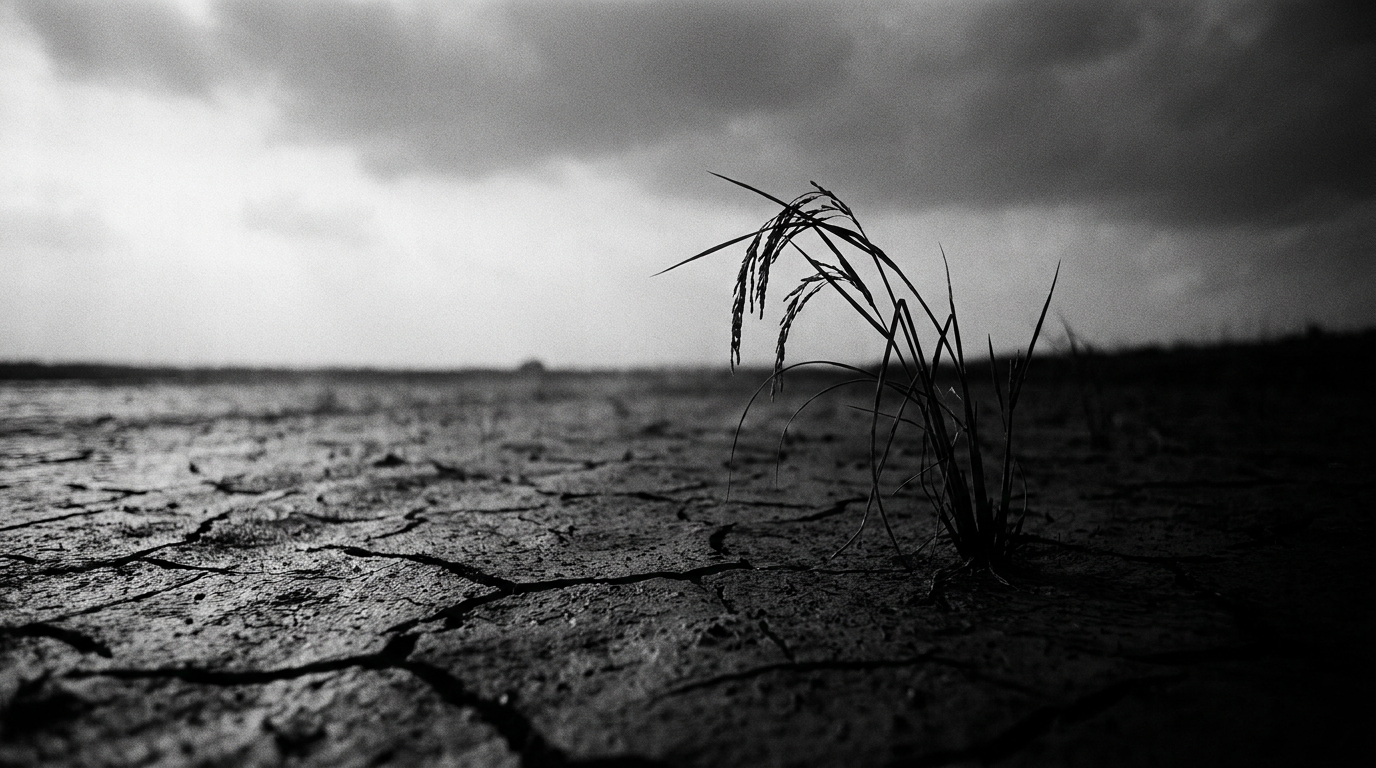
China heat wave risks are spreading across corn, rice and cotton areas as extreme temperatures reach key Chinese farm provinces and South Korea.
The pressure point is timing. Several crops are in sensitive growth phases, meaning heat, dry soil and humid air can translate quickly into weaker yields or quality losses if the conditions persist.
Shenyang heat reaches crop zones
Commercial forecaster Vaisala said high-pressure systems will keep temperatures above normal this week. Shenyang, the capital of Liaoning province, is expected to see highs of 35C to 38C through Thursday, while Beijing is forecast to remain in the low- to mid-30C range into the weekend.
The warnings matter because northern and eastern China are central to the country's grain supply. Heat can reduce pollination success, shorten grain-filling periods and accelerate moisture loss, particularly where soils are sandy or fields sit on slopes.
Shandong corn enters stress window
Shandong's provincial climate center warned last week that persistent mid- to high-30C temperatures through at least Aug. 5 could reduce summer corn yields. The province accounts for 10% of China's corn production, according to the climate center's notice cited in the source material.
Humidity is a second risk in Shandong. The center said moist monsoonal flows could increase the threat of crop disease, which means farmers face both heat stress and the possibility of fungal or bacterial pressure in the same production window.
Liaoning is also exposed. The province contributes about 7% of national corn output, and the city government of Jinzhou said Friday that "Major crops such as corn and rice are currently in their critical growth stages, and soil moisture loss is accelerating on sloping hills and sandy areas."
Vaisala meteorologist Kyle Tapley separately pointed to potential heat stress for corn and soybean crops in Liaoning and Inner Mongolia. That broadens the concern from one province to a wider northern farming belt, where weather damage can affect feed grain availability and planting decisions.
Xinjiang cotton faces 50C peak
The most extreme temperatures are expected in Xinjiang, the northwestern region where almost all of China's cotton is grown. The regional climate center forecast widespread readings of at least 35C through Aug. 11, with Turpan, southeast of Urumqi, potentially reaching 50C.
The Xinjiang Uygur Autonomous Region Climate Center said sustained heat could harm corn grain filling, cotton boll growth and fruit enlargement. Its bulletin said the conditions may cause stunted development, sunburn and early ripening across vulnerable crops.
Commercial forecaster Marcus Weather Inc. said the combination of heat and drought may cut Xinjiang cotton production by as much as 5% this month. For textile producers, even a limited local decline can matter if it changes fiber quality, raises hedging needs or tightens nearby supply.
South Korea records 42.5C
The hot spell is not confined to China. South Korea's Rural Development Administration said Yangsan, in the country's southeast, recorded 42.5C over the weekend, the highest temperature on record in the country according to the statement.
The agency reported slower fruit enlargement at some pear orchards in Ulsan. It also said fruit shriveling occurred at some grape orchards with poor drainage, showing how heat damage can differ by crop, soil condition and water management.
Three crop paths now matter
If temperatures ease after the current warning periods, the global macro effect is likely to be contained through reduced fear of a broader food-price shock; Chinese growers would still need to manage field-level losses, while grain and cotton buyers would focus on quality rather than outright availability. The mechanism is recovery time: crops still in development can stabilize if heat stress ends before irreversible damage spreads.
If high heat persists into mid-August, China's farm sector faces a tougher scenario. Corn and rice could lose yield potential during growth stages, Xinjiang cotton could face lower output or weaker fiber quality, and global buyers may price in more weather risk across feed grains, textiles and fruit markets.
If humidity and drought split by region, the outcome becomes uneven rather than national. Shandong would face greater disease risk, Liaoning and Inner Mongolia would confront soil moisture losses, and Xinjiang would remain the clearest cotton concern, leaving policymakers and traders to watch local crop bulletins rather than a single national signal.