Saudi rejects Israel planes for diverted flydubai flyers
Saudi Arabia declined an Israeli request to send military aircraft for flydubai passengers diverted to Tabuk, while the airline planned onward travel.
Omar Farouk ·
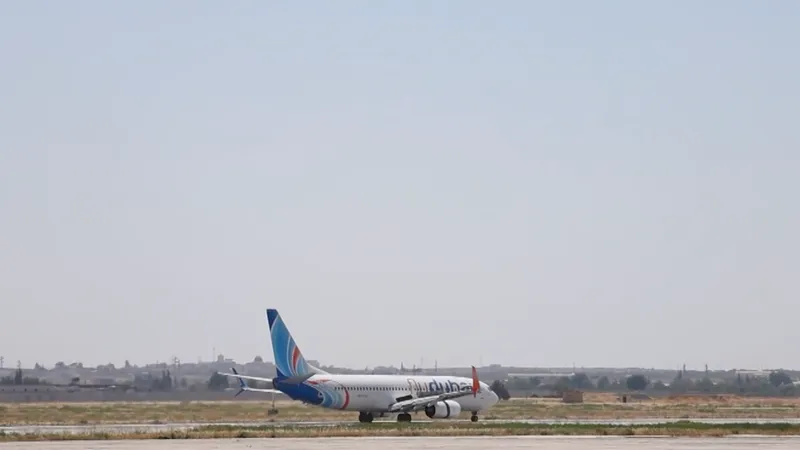
A flydubai flight bound for Israel landed in Tabuk on September 30, 2026, after emergency signals, delaying Israeli passengers.
Saudi Arabia rejected a request to let Israeli military aircraft collect the passengers, according to two security sources. The refusal mattered because the kingdom and Israel have no diplomatic relations, leaving the airline rather than Israeli crews to move the travelers onward.
Israeli aircraft blocked at Tabuk
The request covered Israeli military planes that would have flown into Saudi Arabia to bring the passengers back, the security sources said. One of the sources said the Israeli air force had been preparing Super Hercules transport aircraft for the mission.
The Saudi government media office did not immediately provide comment. Without a Saudi statement, the account of the request and refusal remained attributed to the two security sources.
flydubai said the passengers were expected to continue their journey on the carrier’s aircraft. The plane had been traveling from Dubai to Tel Aviv before it was diverted to Tabuk after transmitting emergency signals.
Netanyahu alleges cockpit attack
Israeli Prime Minister Benjamin Netanyahu gave a more serious account of what happened on board. He said the co-pilot tried to crash the aircraft after stabbing the pilot, before passengers restrained him and other pilots landed the plane safely in Saudi Arabia.
That allegation was presented by Netanyahu and was not matched in the available Saudi response. flydubai’s public position in the account centered on onward travel for passengers, not on assigning responsibility for the incident.
The episode places an aviation safety event inside a diplomatic gap that has long shaped Middle East travel and security coordination. For flydubai, the immediate operational question is whether passengers can complete the Dubai-Tel Aviv trip without further disruption.
Saudi normalization stays constrained
President Trump has been pressing Saudi Arabia to join the Abraham Accords, the US-brokered framework under which several Arab states established relations with Israel. Riyadh has long resisted joining without a pathway toward Palestinian statehood.
The Tabuk refusal showed how those political limits can affect even emergency logistics. If Israeli military aircraft cannot enter Saudi airspace or airports, airlines and third-country arrangements carry more of the burden when Israel-linked flights are diverted.
A senior Saudi official also denied reports of a meeting between Saudi and Israeli officials. The denial followed reports in Israel that Netanyahu had met Middle Eastern officials, including a Saudi official, during a recent visit to the United Arab Emirates.
Three channels after Tabuk
If flydubai moves the passengers onward quickly, the company limits the incident to a disrupted route and a safety review. The wider aviation sector would still examine crew procedures and diversion protocols, while the macro effect would likely remain confined to diplomatic risk perceptions rather than trade or market data.
If Saudi Arabia keeps barring Israeli military aircraft in similar cases, emergency planning for Israel-bound flights over or near the Gulf becomes more complex. That would affect flydubai’s contingency arrangements, push airlines to clarify airport access rules, and keep the global channel focused on regional risk pricing.
If investigators or officials substantiate Netanyahu’s cockpit account, the pressure would shift from diplomacy to aviation security. The open questions are whether Saudi authorities release their own account, how flydubai documents the incident, and whether Israel seeks another route for affected passengers.