Venezuela oil invites private firms to run crude fields
Venezuela oil policy changes are drawing foreign interest, but expropriation memories and PDVSA's weakened fields leave investors facing high costs and delays.
Sofia Reyes ·
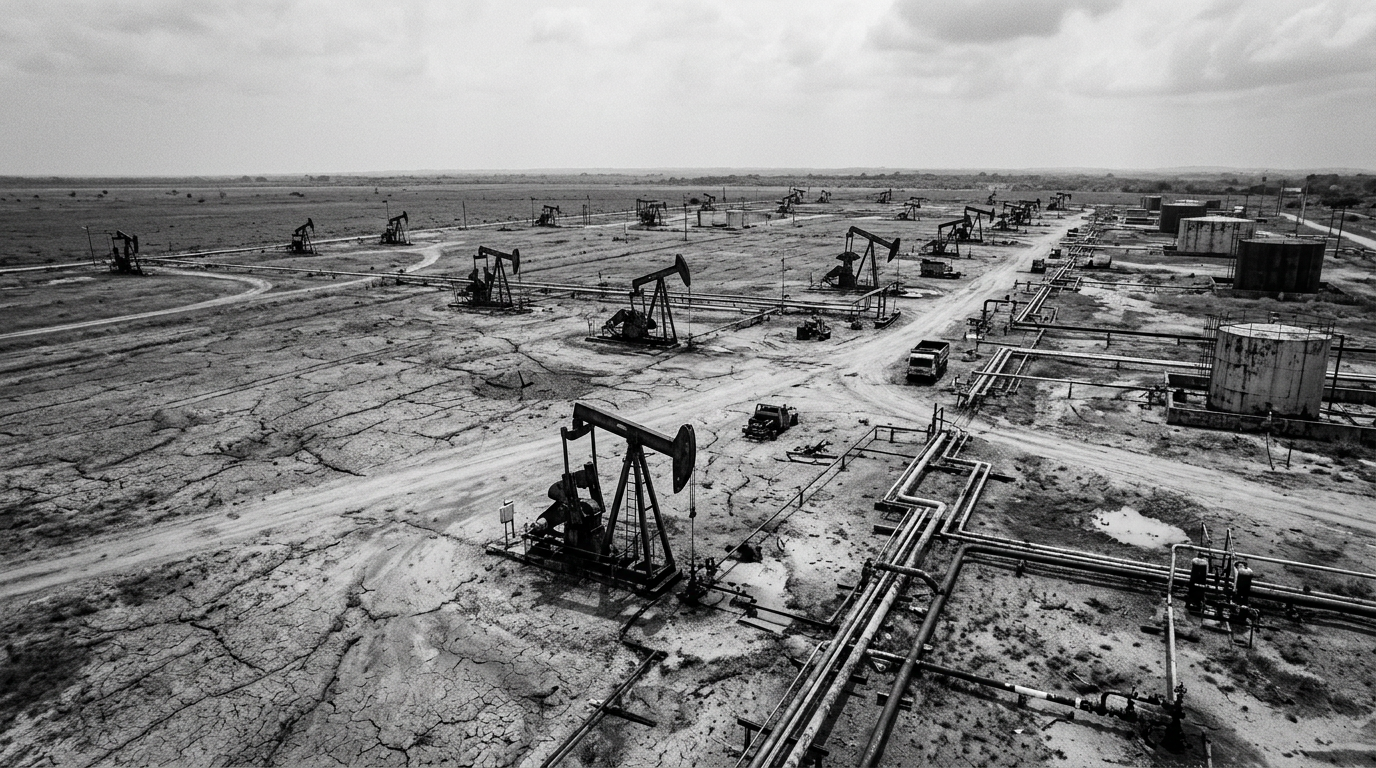
Venezuela oil is drawing foreign buyers after PDVSA ownership rules eased and US sanctions were rolled back, reopening a battered crude sector.
The shift centers on Acting President Delcy Rodríguez's decision to scrap the rule requiring state-run PDVSA to hold majority stakes in joint ventures. Private companies can now operate fields directly and keep a larger share of profits, a change designed to make Venezuela's reserves investable again.
PDVSA control rule falls
The opening comes seven months after Nicolás Maduro was removed from power, an event described in the account as driven by the US. Washington has also unwound sanctions to ease access to Venezuela's crude reserves, which the account puts at 300 billion barrels.
That reserve base is the main attraction. Venezuela has long been described as holding the world's largest crude reserves, but access to those barrels has been constrained by sanctions, state control and years of weak investment in the oil system.
For PDVSA, the change is a trade-off. The company gives up the majority-control model that anchored earlier joint ventures, but it may gain outside capital, technical capacity and operational discipline that the source account says the sector badly needs.
Exxon memory shapes risk
The clearest warning comes from ExxonMobil's history in the country. The company was expelled in 2007 after its assets were expropriated, and as recently as January it dismissed Venezuela as "uninvestable."
That memory matters because oil projects are long-cycle investments. Companies must commit capital years before production, and the value of any field depends on legal stability, export access and confidence that contracts will survive political stress.
Kpler cautioned that new projects could take five years and require enormous spending before they produce results. That timing limits any near-term impact on global supply, even if foreign companies begin negotiating field access quickly.
The industry effect would likely arrive first through service demand rather than crude output. Drilling contractors, engineers, traders and field-services firms would be among the early beneficiaries if operators begin restoring assets that have been weakened by underinvestment.
Five-year oil test begins
The macro case is conditional. If sanctions relief holds and the new ownership rules remain credible, Venezuela could become a longer-term source of incremental crude supply, easing some pressure in global oil balances once projects mature.
If political risk returns or contract protections look weak, the opening could stall before serious capital arrives. In that case, PDVSA would remain constrained, foreign operators would limit exposure and the wider oil market would see little immediate change from the policy turn.
A middle path is also plausible. Companies may test the regime through smaller operating agreements, technical studies and selective field rehabilitation while avoiding the largest commitments until payment terms, export channels and legal protections are clearer.
The key uncertainty is whether Venezuela can convert policy change into bankable contracts. The reserves are large, but the first test is not geology; it is whether investors believe the rules will hold long enough for five-year projects to pay back.