Ceuta migrants return as Spain vows full Morocco handover
Ceuta migrants have largely returned to Morocco, Spain said, as the enclave crisis drew EU scrutiny over borders and removals.
Claire Dubois ·
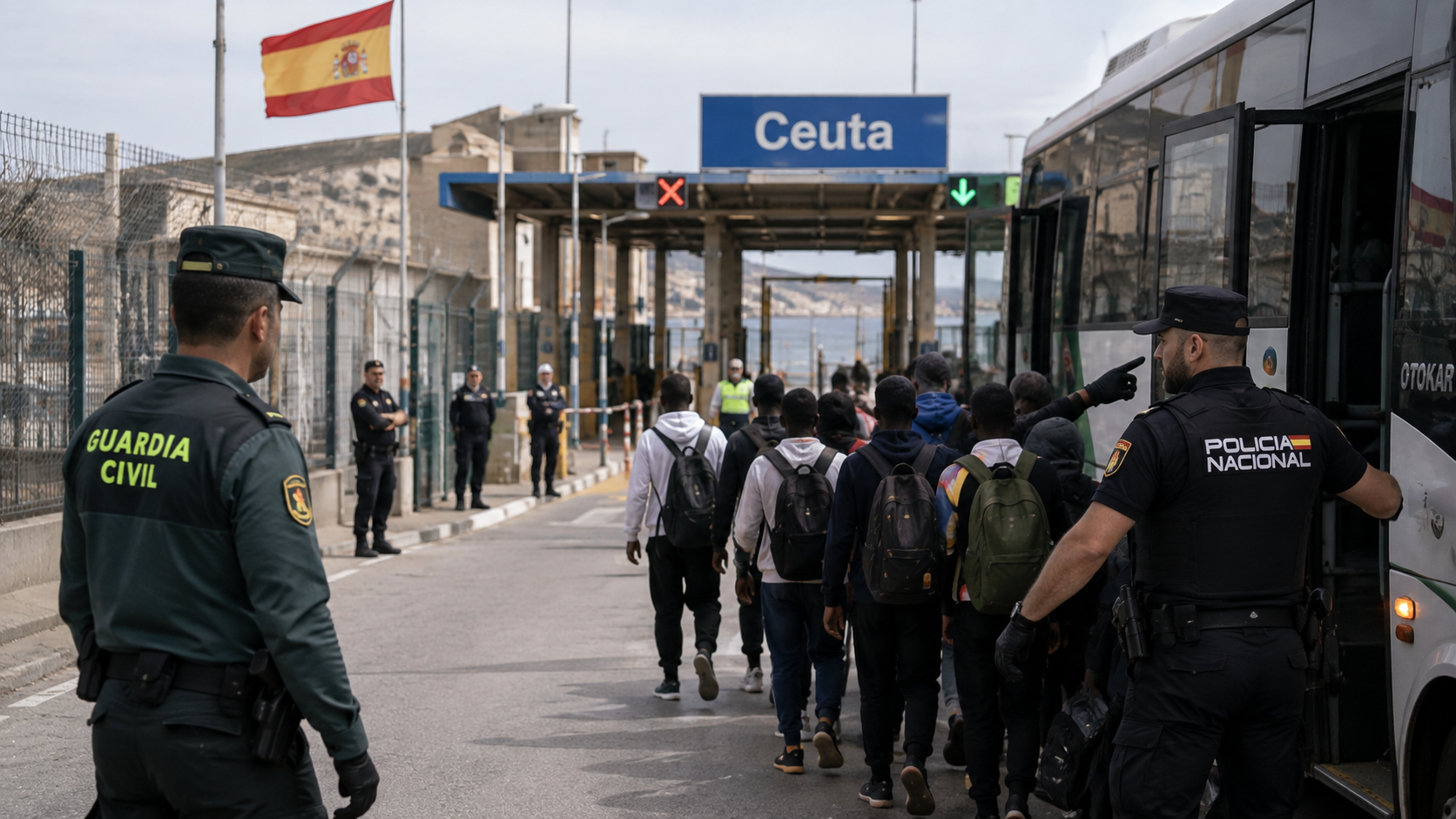
Ceuta migrants have largely returned to Morocco, Spain’s foreign minister said, as Madrid moved to calm EU pressure over the enclave.
José Manuel Albares said Monday that most people who entered Ceuta without authorization late last week had already gone back across the Moroccan border. Speaking on state broadcaster TVE, he said Spain intended to return “every last one of them” to Morocco.
Albares signals rapid returns
The minister’s comments were aimed beyond Ceuta, a Spanish city on the North African coast that is also part of the European Union’s external frontier. The cited estimate for the arrivals was roughly 50,000 undocumented migrants, a scale that turned a local border shock into a European political problem.
Spain’s central message is that the crossings will not create a new route into the EU’s passport-free travel area. Madrid is trying to show EU partners that it can process the episode quickly and keep the pressure from spilling into mainland Europe.
July 8 ruling fuels confusion
Spain and Morocco have linked the surge to misinformation about a July 8 Spanish Supreme Court ruling. The ruling restricted immediate returns of migrants intercepted at sea, according to the account provided, and officials in both countries said false claims about its effect helped draw people toward Ceuta.
The legal distinction matters because Ceuta is not a transit camp outside Europe. Once migrants reach the enclave, they are on Spanish territory and, by extension, EU soil, which gives the issue legal and political weight well beyond the city’s fences and crossing points.
Ceuta and Melilla are Spain’s two enclaves in North Africa, making them the EU’s only land borders with the continent. Their geography has long made them flashpoints for migration management, bilateral tensions with Morocco and disputes inside Europe over responsibility for border control.
EU pressure lands on Sánchez
The incident has sharpened criticism of Prime Minister Pedro Sánchez from other European leaders. Some governments argued that Spain’s immigration framework helped attract the migrants, while Spain’s position is that misinformation and trafficking networks played a central role.
Several countries said they could impose border checks if the situation required it and raised the possibility of action affecting Spain’s place in the Schengen Area. Such steps would be politically serious because Schengen is built on open internal borders, even as members retain tools to restore checks in specific circumstances.
Italy has already said it is tightening certain controls for non-EU citizens arriving from Spain. The move appears aimed at showing domestic vigilance, even though the available account said it was unlikely that Ceuta arrivals would reach mainland Europe.
Ceuta strains Schengen trust
The immediate pressure falls on Spain, but the broader concern is European trust in shared border rules. If one member is seen as slow to contain an external-border episode, neighboring governments face pressure to act at their own borders, even when the direct migration risk is limited.
For Spain, rapid returns would support Madrid’s claim that the crisis is contained and could reduce the case for wider Schengen checks. It would also help Sánchez push the focus back toward misinformation, human trafficking and coordination with Morocco rather than Spain’s immigration law.
If returns slow, the mechanism changes. EU partners could expand checks on travelers from Spain, Spain would face a longer diplomatic dispute over Ceuta, and border politics across the bloc could harden around the enclaves as symbols of external-frontier weakness.
The open questions are practical and legal: how quickly Spain can complete returns, how Morocco handles people sent back, and whether misinformation around the July 8 ruling continues to circulate. Those answers will decide whether Ceuta remains a short border emergency or becomes a larger test of Schengen discipline.