US strike follows Iran attack on ship, raising ceasefire doubts
Iran ceasefire tensions rose after US Central Command said it struck Iranian missile, drone and radar sites following a drone hit on a ship in Hormuz.
Lauren Collins ·
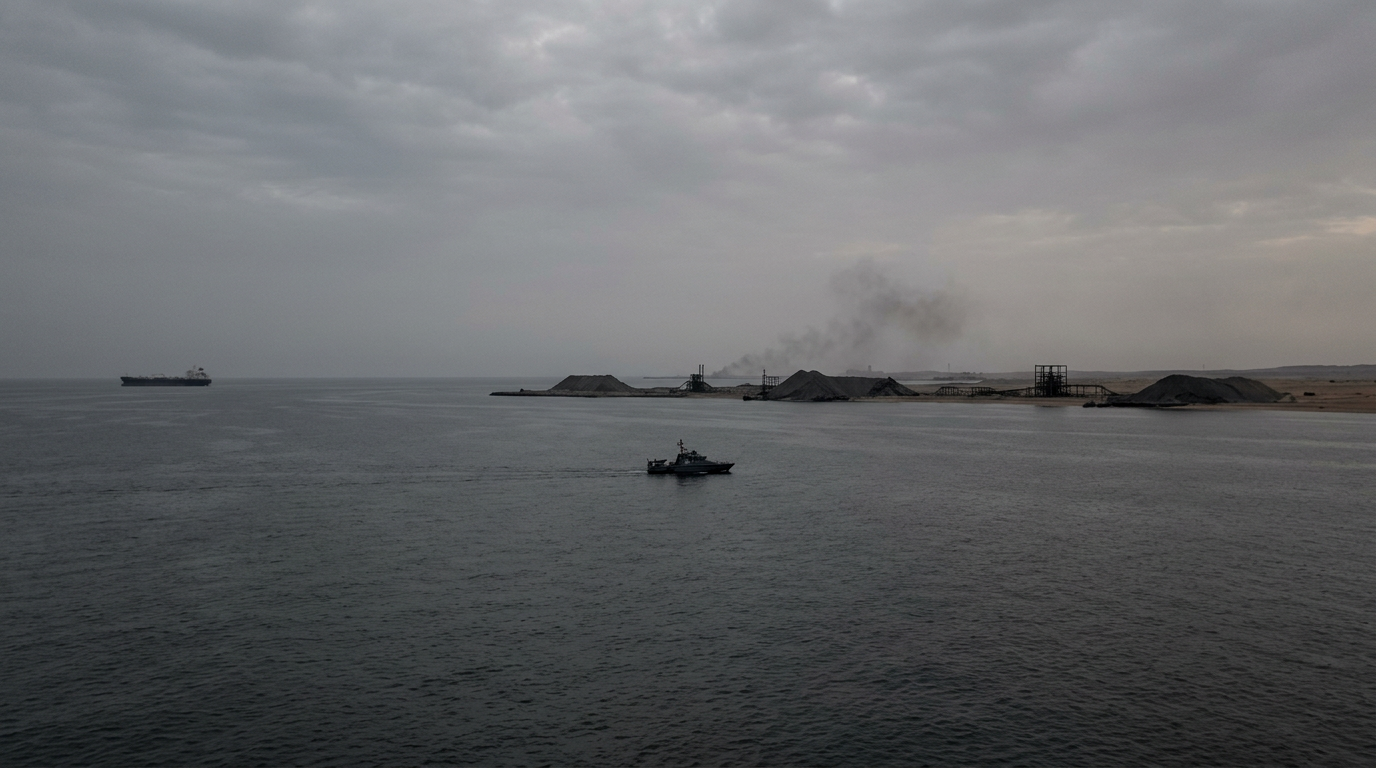
Iran ceasefire strains deepened after the US military said it carried out retaliatory strikes on Iranian targets following a drone attack on a commercial ship in the Strait of Hormuz.
US Central Command said American forces conducted strikes on June 26, describing the action as a direct reply to Tehran’s June 25 attack on the Singapore-flagged cargo vessel M/V Ever Lovely. A senior US official said the ceasefire remained in place, framing the operation as limited retribution tied to the maritime incident.
US says strikes hit missile, drone and radar facilities
According to US Central Command, US aircraft targeted locations used to store missiles and drones, along with coastal radar sites in Iran. The command linked the targets to the previous day’s strike on the Ever Lovely, which it said was hit by a one-way attack drone.
The US military said the ship was transiting out of the Strait of Hormuz along the Omani coast at the time of the attack. The incident adds pressure to a ceasefire that US officials have characterized as fragile amid continued activity around the strategic waterway.
The Strait of Hormuz is a narrow maritime corridor separating the Persian Gulf from the Gulf of Oman and the open ocean. It is widely viewed as one of the world’s most consequential shipping lanes, and even isolated attacks there can quickly elevate regional risk perceptions.
Iranian media reports strike near Sirik; IRGC issues warning
Iranian state media reported that projectiles struck a telecommunications tower in Sirik, a port town facing the Strait of Hormuz. The area hosts a naval base associated with Iran’s Islamic Revolutionary Guard Corps (IRGC).
US officials said the IRGC carried out the June 25 drone attack on the Ever Lovely. After the US response on June 26, the IRGC signaled it would answer, warning that further action would be met with a forceful response aimed at dispelling what it called “illusions” held by “aggressors” in the region.
The competing statements underscore how quickly retaliatory cycles can emerge even when both sides publicly maintain that a ceasefire is still intact. In practice, the gap between “contained retaliation” and broader escalation can narrow when attacks involve military sites, strategic infrastructure, or commercial shipping.
Trump criticizes ship attack as Washington stresses limits
President Donald Trump addressed the ship incident earlier on June 26, telling reporters he disapproved of Iran’s action. Referring to the one-way drone strike, Trump said he did not like that “they took a shot” and added that Iran “shouldn’t be doing that.”
US messaging around the operation emphasized punishment tied to the June 25 incident rather than an expanded campaign. The senior US official’s assertion that the ceasefire still holds suggests Washington is seeking to deter further attacks while avoiding a broader breakdown in the arrangement.
Next steps will hinge on whether Iran follows through on its pledge to respond and whether any further incidents occur in or near the Strait of Hormuz. Officials and markets are likely to watch for signs of additional maritime attacks, new strikes on coastal systems, or further damage reports from Iranian territory.