Trump calls Iran drone strike a ceasefire breach
An Iran drone attack on a cargo ship in the Strait of Hormuz drew a Trump warning about the ceasefire, but no immediate U.S. reprisal.
Lauren Collins ·
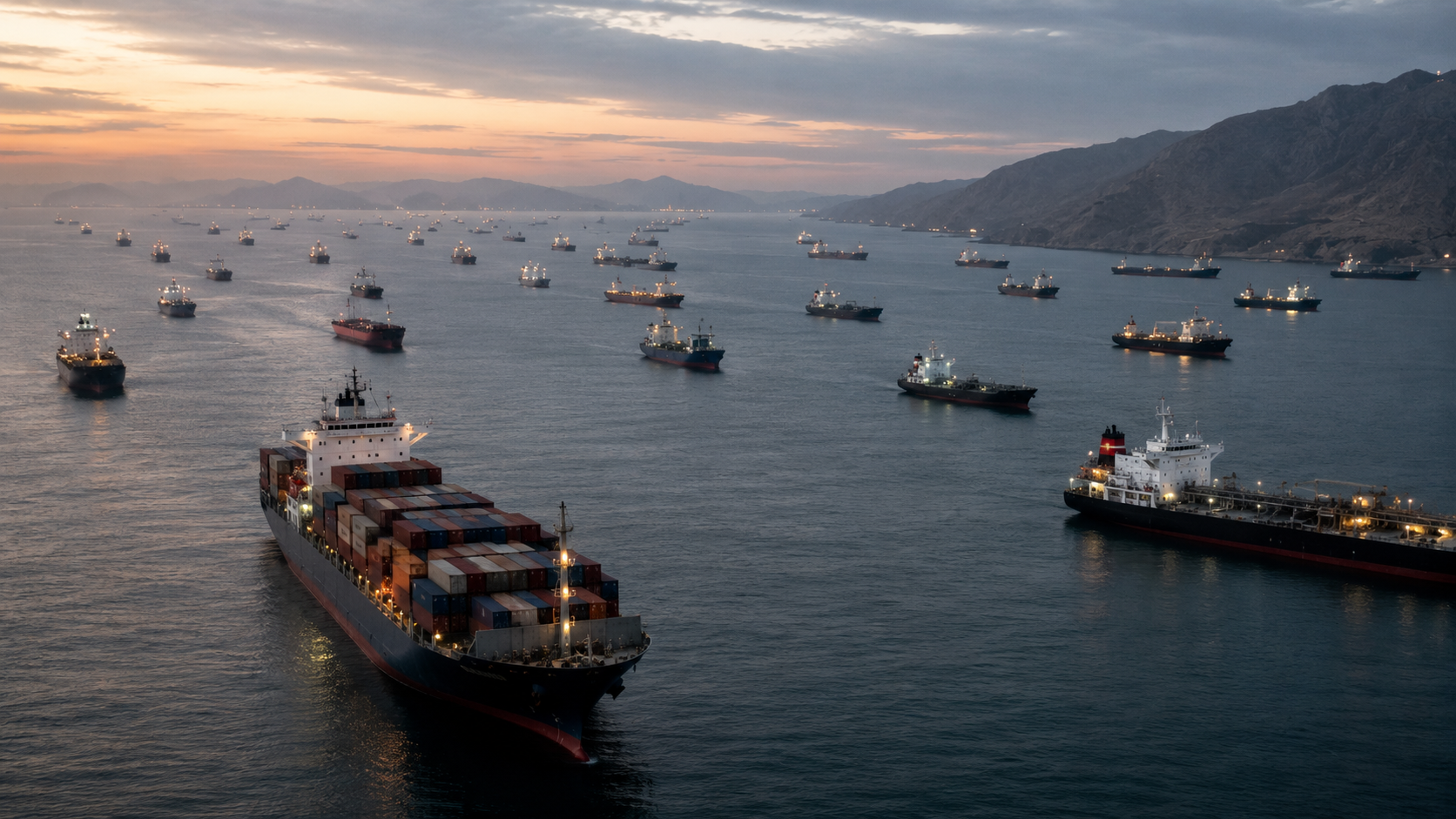
An Iran drone attack on a cargo ship in the Strait of Hormuz prompted President Donald Trump to accuse Tehran of breaking a new ceasefire, without announcing immediate punishment.
In a Friday post on Truth Social, Trump called the strike a “foolish violation” of a ceasefire arrangement between Washington and Tehran. He said the U.S. intercepted three of four one-way attack drones, while one hit the upper deck of the Ever Lovely, a vessel he said was headed to Singapore.
Trump also wrote that the Ever Lovely remained able to continue through the waterway. He did not specify what steps the U.S. would take next, even as he reiterated the incident as a breach of the agreement.
A first test of a 60-day pause
The attack occurred Thursday, after the U.S. and Iran agreed last week to a memorandum of understanding designed to pause the war for 60 days. The understanding also aimed to reopen the Strait of Hormuz and lift the American blockade on Iranian ports.
It was the first time Iran had targeted a vessel in the strait since the parties reached that arrangement. The waterway is one of the world’s most strategic shipping corridors, and disruption there can quickly reverberate through global trade routes.
Trump has previously warned that the United States would restart the war if Iran violated any element of the pact. His Friday statement framed the drone strike as exactly that kind of violation, but stopped short of linking the incident to an immediate military or economic response.
Clashing claims over who controls the strait
After the incident, Iran restated its claim to the strait, arguing that it has the right to manage maritime traffic and collect revenue from vessels passing through. That position places Tehran in direct conflict with the U.S. view of the strait’s status and the conditions Washington says are required for any durable agreement.
The United States has said any final arrangement with Iran must preserve the free flow of trade through the Strait of Hormuz. In practical terms, that stance limits Iran’s ability to exert control over transiting ships and rejects a tolling or revenue-collection regime run by Tehran.
Those competing positions mean the dispute is no longer only about a single strike on a single ship. It is also an argument over whether the ceasefire’s promise to “reopen the strait” translates into open access under international norms, or into a channel reopened on terms dictated by Iran.
Negotiations at risk as nuclear talks loom
The attack and the follow-on statements from both sides signal strain inside the broader diplomatic track. The current talks are aimed ultimately at dismantling Iran’s nuclear program, and shipping access is one of the pressure points shaping the negotiating leverage of each side.
For Trump, the immediate political and strategic question is how to respond without collapsing the 60-day pause that his administration secured. A hard response could strengthen deterrence against further attacks but risk ending the ceasefire and undoing the reopening of the waterway.
For Iran, asserting authority over the strait can bolster its bargaining position and domestic narrative, but it also invites U.S. pushback on the very terms Tehran accepted last week. The memorandum’s promise to lift the American blockade on Iranian ports is a tangible benefit, and a breakdown could jeopardize it.
What comes next will hinge on whether Washington treats the Thursday strike as an isolated incident or as a deliberate test of the ceasefire’s boundaries. With Trump publicly characterizing the Iran drone attack as a violation, the next U.S. move will be closely watched for signs of escalation or renewed negotiations.