Maritime risk returns after Strait of Hormuz vessel strike
A Strait of Hormuz vessel attack halted an IMO evacuation effort and renewed concerns about shipping security despite last week’s US-Iran understanding.
Lauren Collins ·
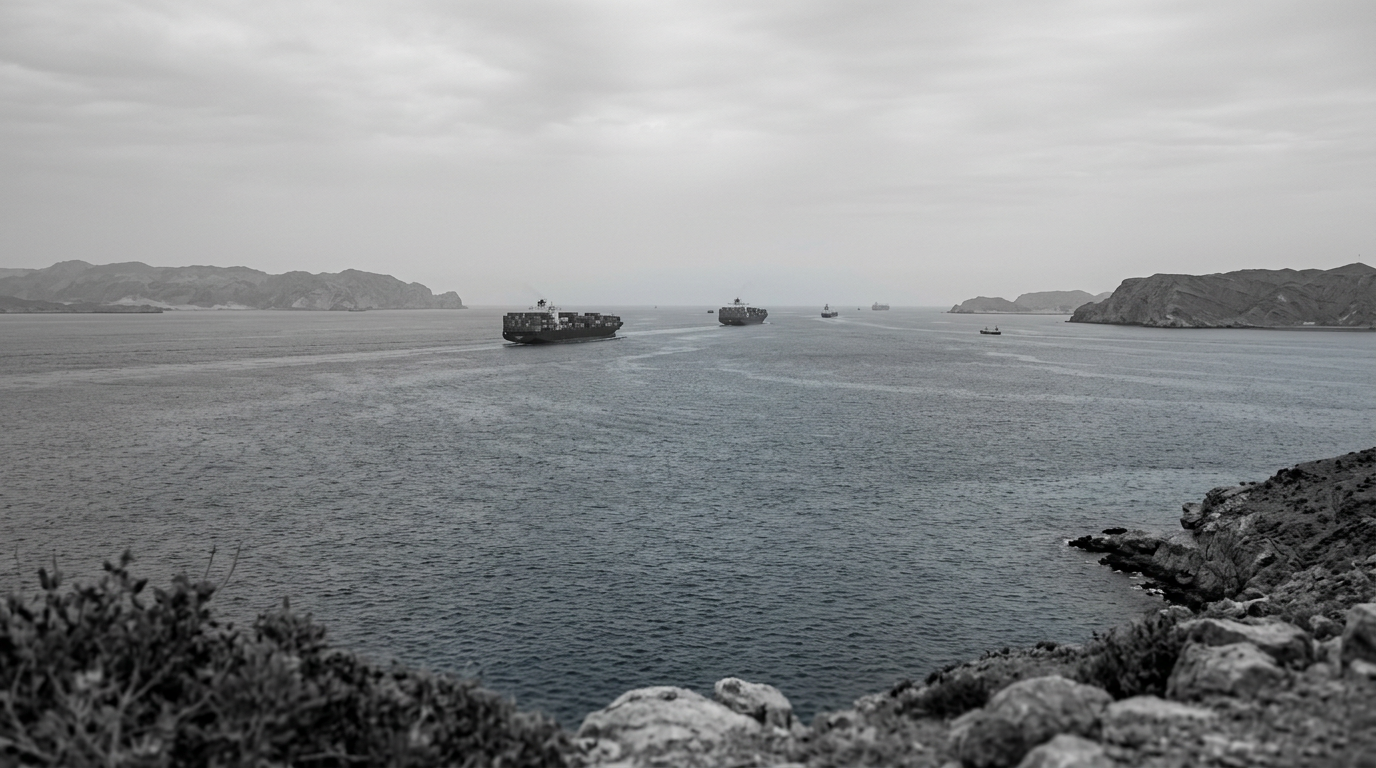
A Strait of Hormuz vessel attack on Thursday interrupted an international effort to evacuate stranded crews and revived concerns over shipping security in the narrow channel.
The incident underscored Iran’s leverage over one of the world’s most important maritime chokepoints, even after Washington and Tehran said last week they would pursue a framework toward a peace deal.
Attack disrupts shipping and delays seafarer evacuations
A U.S. official told CNN that an Iranian drone struck the vessel, though no additional details were released publicly. Iran has not claimed responsibility for the attack.
The United Kingdom Maritime Trade Operations (UKMTO), which tracks and reports security developments affecting commercial shipping in the region, said the cargo ship was hit on its starboard side by an unknown projectile. UKMTO reported damage to the vessel’s bridge, while noting there were no casualties and no immediate environmental effects.
Following the report, maritime authorities advised ships transiting the area to proceed cautiously and to notify officials of any suspicious activity. The warning reflects the heightened risk of miscalculation in a corridor where commercial traffic, military patrols and drone activity can overlap.
The strike prompted the International Maritime Organization (IMO) to pause its ongoing mission aimed at removing crews from vessels stranded in the Persian Gulf region since the conflict began. The operation covers hundreds of ships and more than 11,000 seafarers, according to the information cited in the report.
Timing clashes with new US-Iran diplomatic messaging
The attack was reported only days after the United States and Iran announced an understanding to work toward a peace arrangement, a message the Trump administration has framed as easing pressure on regional trade routes. Thursday’s incident was described as the first reported attack since that announcement.
Hours before the strike, Iran’s Islamic Revolutionary Guard Corps issued a warning that safe transit would be guaranteed only through routes it designates. The statement directly challenged U.S. assertions that the passage is operating normally and without constraint.
Secretary of State Marco Rubio was also seeking to reassure wary Gulf partners about the trajectory of the US-Iran track when the incident occurred. CNN reported it had requested comment from the White House.
Market and security implications for a critical chokepoint
Oil prices rose after the report, reflecting how quickly energy markets react to any sign of disruption in the Strait of Hormuz. Even limited attacks can increase insurance costs, slow vessel movements and encourage shipping companies to reconsider routes or schedules.
While no casualties were reported and no spill was identified, the operational impact was immediate because the evacuation mission was suspended. That pause leaves thousands of mariners exposed to prolonged uncertainty, and it may complicate planning for shipowners, flag states and port authorities trying to coordinate safe movements.
The episode also highlights a persistent security problem: attribution can be contested and warnings can be used to shape commercial behavior without a formal blockade. In practice, risk advisories and near-term disruptions can still restrict traffic if ship operators judge conditions too dangerous.
Next steps will likely focus on whether the IMO can resume evacuations under enhanced security measures and whether additional incidents follow the Revolutionary Guard’s routing warning. Shipping firms and governments will also watch for any clarifications from Washington and Tehran that reduce uncertainty in the Strait of Hormuz.