Moscow drone strike by Ukraine disrupts fuel and transport
A Ukraine drone attack struck Moscow, shutting airports and damaging an oil refinery as both sides intensify strikes far from front lines.
Amira Hassan ·
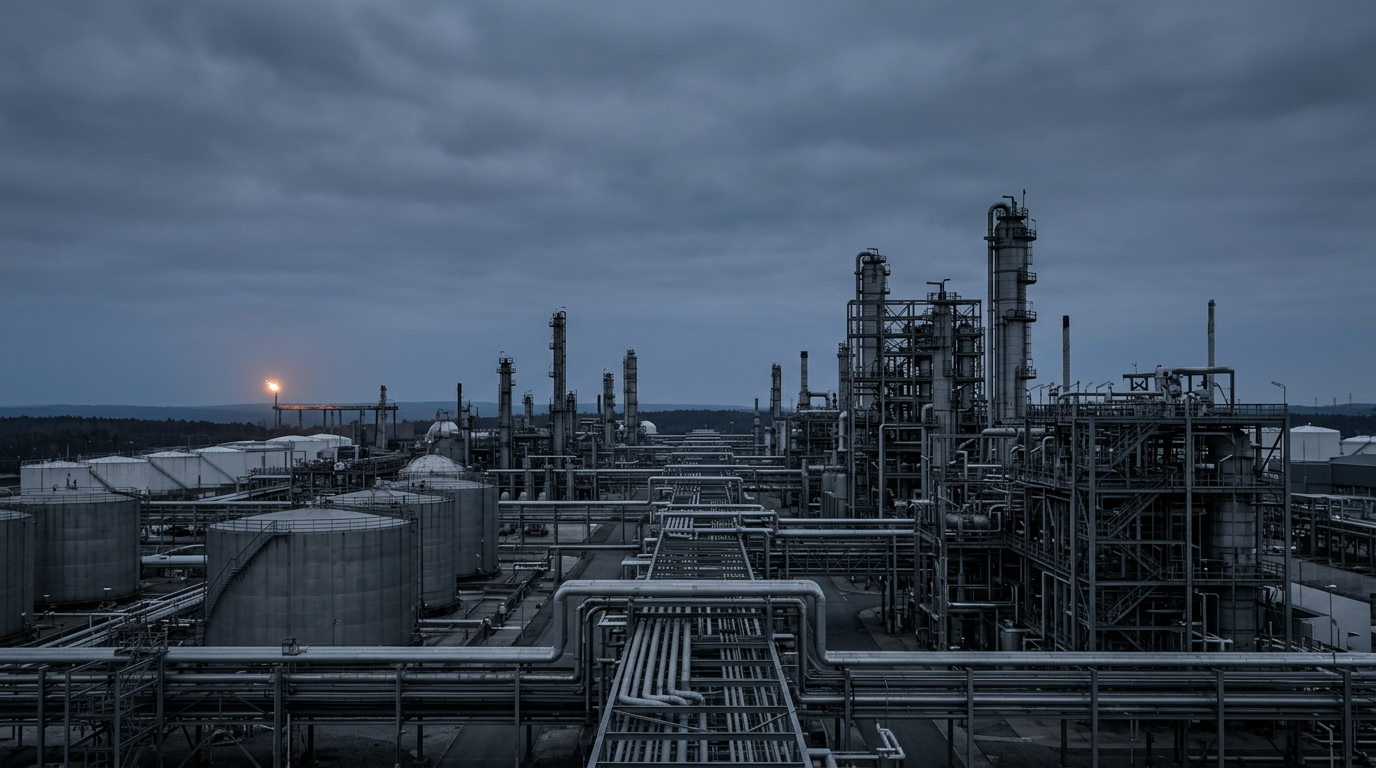
A Ukraine drone attack struck Moscow on Tuesday, forcing airport shutdowns and disrupting traffic after an oil refinery was damaged and smoke rose over the capital.
The strike appeared to be the largest drone operation targeting Moscow in the more than four years since the full-scale war began. Ukrainian President Volodymyr Zelensky framed the action as retaliation and deterrence, warning that Russia’s cities would feel the costs of the invasion.
Russian authorities reported that four airports temporarily halted operations and that sections of the ring road around Moscow were restricted. The metropolitan area is home to roughly 13 million residents, making even short disruptions politically and economically sensitive.
Moscow hit as Ukraine seeks to widen domestic pressure
The refinery strike sent thick, dark smoke into the sky, underscoring Ukraine’s growing focus on energy and logistics assets inside Russia. The broader aim is to erode the Kremlin’s ability to keep daily life insulated from a war largely fought hundreds of miles away.
Recent Ukrainian drone operations have increasingly targeted refining and fuel infrastructure across Russia. Those attacks have contributed to fuel shortages in some areas, with reports of long queues and rationing at gas stations as supplies tighten and distribution is disrupted.
Beyond immediate damage, repeated hits on industrial sites raise the cost of repairs, air defense, and emergency response. They also test the perception that Moscow can protect critical facilities, especially as drones become cheaper, more numerous, and harder to intercept at scale.
Russia intensifies strikes on Ukraine, Kyiv suffers losses
Russia has continued heavy bombardments of Ukrainian cities, including Kyiv. Earlier this week, strikes in the capital set a historic cathedral at one of the country’s holiest sites ablaze, killing five people and injuring 35, according to Ukrainian officials.
The pattern reflects a widening campaign in which both sides attempt to degrade infrastructure and morale rather than only contest territory. With the war now longer in duration than World War I, fatigue and economic strain have become part of the battlefield on both sides.
For Ukraine, long-range strikes can demonstrate reach and resilience amid sustained Russian attacks. For Russia, continuing pressure on major cities aims to undermine civilian confidence in air defenses and force Kyiv to divert resources to protection and repairs.
Calls for escalation grow inside Russia after the strike
The Moscow attack triggered a sharp reaction from Russian hard-liners, some of whom urged the Kremlin to intensify military operations to halt further strikes on Russian territory. Comments aired by Russian outlet RTVI included demands for broader targeting of Ukraine’s leadership, command nodes, and industrial capacity.
Such rhetoric highlights the domestic political stakes for Moscow as drone raids become more visible to ordinary Russians. The Kremlin has sought to control the narrative and prevent panic, but repeated disruptions to airports, roads, and fuel supplies can amplify public anxiety.
The episode also underscores the uncertain trajectory of escalation. Russia holds the world’s largest nuclear stockpile, while analysts continue to debate how far it can expand conventional operations without incurring new constraints in manpower, munitions, and economic capacity.
In the near term, officials in both countries are likely to prioritize air defense, energy resilience, and continuity of transport networks. The next signals to watch will be whether drone strikes broaden to new classes of targets, and whether Russia responds with expanded attacks on Ukrainian infrastructure or new measures to protect its own.