Venezuela oil opening draws foreign firms after PDVSA shift
Venezuela oil is drawing foreign capital after Caracas loosened PDVSA control and Washington eased access to vast crude reserves.
Sofia Reyes ·
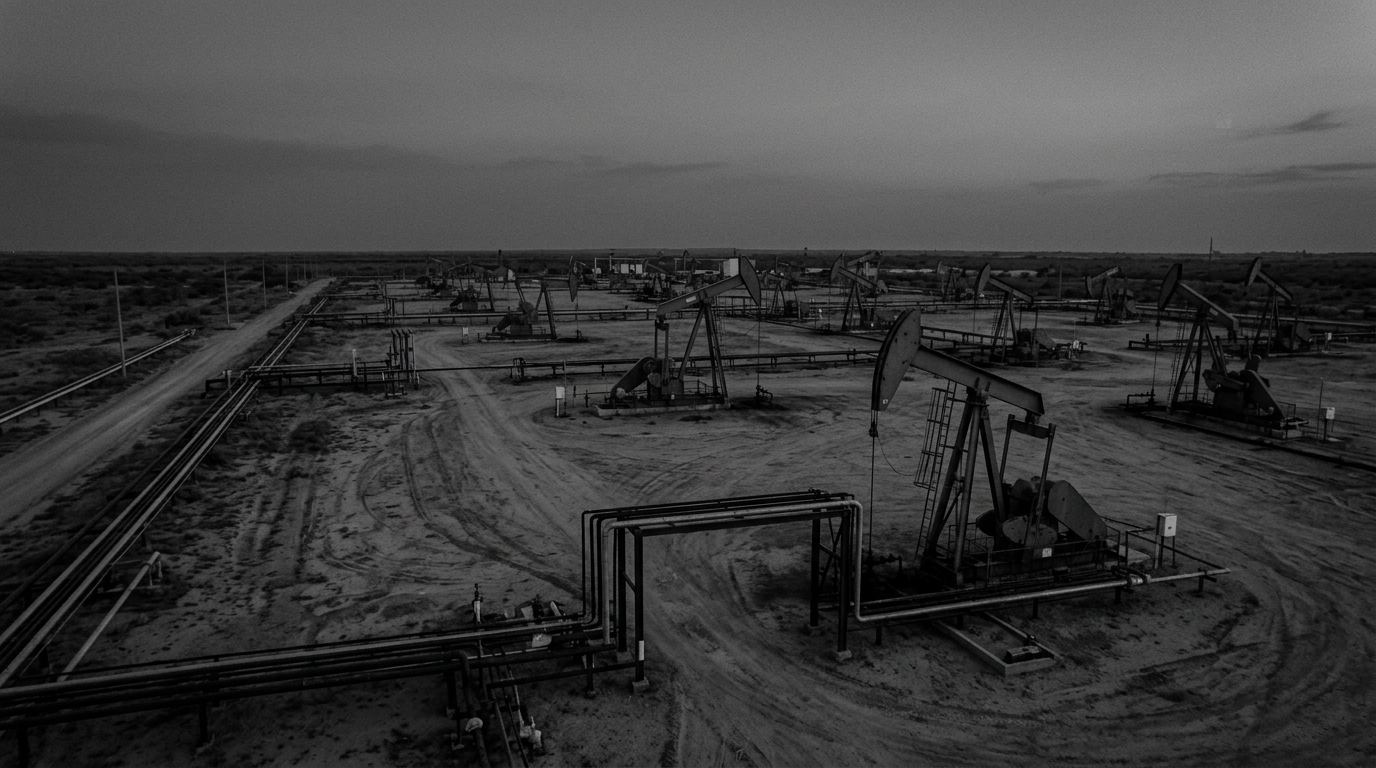
Venezuela oil is drawing foreign capital after Caracas loosened PDVSA control and Washington eased access to vast crude reserves.
The shift comes seven months after Nicolás Maduro was removed from power in a US-backed political rupture, according to the account provided. Acting President Delcy Rodríguez has ended the requirement that state-owned PDVSA hold majority positions in joint ventures, opening a path for private operators to run fields directly and retain a larger share of earnings.
For investors, the change goes to the core of why Venezuela has been difficult to finance. A company can tolerate geological risk if contracts are stable; it is much harder to commit capital when control, revenue share and sanctions access can change with politics.
PDVSA majority rule falls
The removal of PDVSA's majority requirement is the central commercial change. Under the prior model described in the source, private partners had to work through ventures dominated by the state oil company, limiting operational control and the economics available to outside capital.
Rodríguez's policy reverses that structure by allowing private companies to operate fields more directly. Washington's sanctions rollback adds the second piece: without access to finance, equipment, shipping and buyers, a more permissive ownership model would have limited practical value.
The prize is large enough to keep companies interested despite the country's record. The source describes Venezuela's crude base at 300 billion barrels, a reserve figure that would place the country at the center of any long-cycle supply debate if production capacity could be rebuilt.
Exxon scars shape caution
History is the brake on the current enthusiasm. ExxonMobil was forced out in 2007 after its assets were expropriated, and the company was still describing Venezuela as "uninvestable" as recently as January, according to the source.
That memory matters because oil projects require years of spending before cash flow arrives. If contract terms are later rewritten, a field that looked attractive on paper can become a stranded political bet rather than an energy investment.
Kpler also warned that any rebound would be slow. The firm said new projects could take five years and very large sums to generate results because Venezuela's oil industry has been weakened by years of underinvestment.
Capital tests the opening
The immediate winners, if the policy holds, would be firms able to secure acreage, service crews, export channels and financing before competitors return in force. PDVSA could gain from revived activity even with less direct control, because dormant or underperforming assets produce little value without outside capital and technical capacity.
The wider oil-services chain would watch for drilling, maintenance, field rehabilitation and logistics contracts. A Venezuelan restart would not only affect producers; it would also pull in suppliers, traders, insurers and shipping companies that had limited exposure while sanctions restricted activity.
The macro effect depends on timing rather than headlines. If projects require roughly five years, as Kpler cautioned, any contribution to global supply would be gradual and would not immediately alter balances in crude markets.
If the rule change survives legal and political tests, PDVSA could become more of a partner and less of a gatekeeper. That would likely improve the investment case for Venezuela, help Washington frame sanctions relief as a supply and stability tool, and give the industry another long-term source of heavy crude.
If the opening stalls, the mechanism runs in reverse. Sanctions could tighten again, contract risk could deter boards from approving capital, PDVSA could remain cash-constrained, and the global market would treat Venezuela's reserves as technically present but commercially out of reach.
The honest uncertainty is whether policy durability can catch up with resource scale. Investors are not only pricing barrels; they are pricing courts, elections, sanctions policy, infrastructure decay and the possibility that the rules now being relaxed could be rewritten again.