

Investment Firm Linked to Presidential Advisor Discloses $32 Million Defense Stake
Jared Kushner’s investment firm belatedly disclosed a $32 million stake in a defense contractor while he serves as an unofficial diplomatic envoy for the U.S.
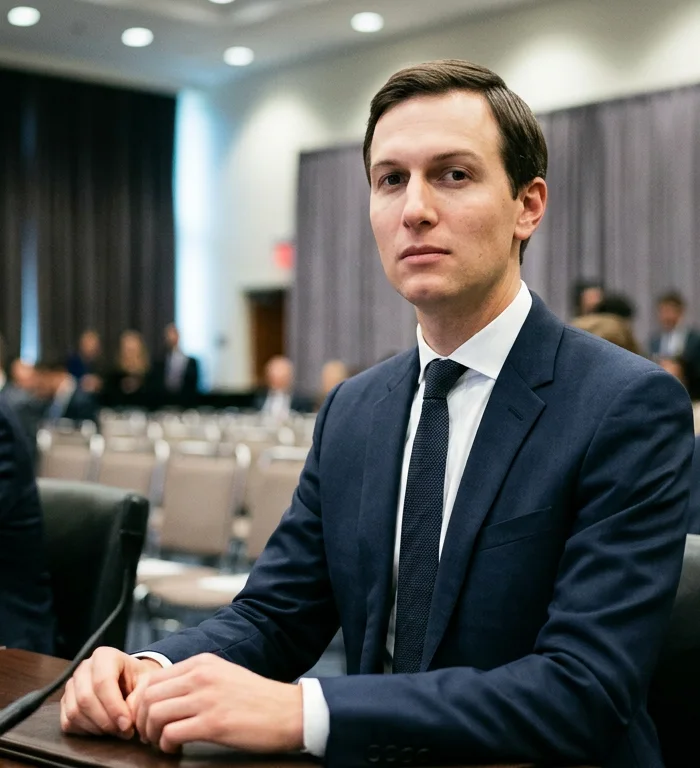
Regulatory filings reveal that Affinity Partners, an investment firm owned by Jared Kushner, failed to disclose a $32 million stake in Arxis, a defense contractor, for over two years. The firm amended its second-quarter report on November 5, 2026—two days after the U.S. midterm elections—to include the holding. Arxis manufactures components for military aircraft, naval vessels, and nuclear submarines, and has reported a significant increase in revenue from government contracts since 2025.
The disclosure occurs while Kushner serves in an unofficial capacity as a negotiator for the current administration, tasked with addressing conflicts in Ukraine and Gaza. The delayed reporting has intensified scrutiny regarding potential conflicts of interest between Kushner’s private equity activities and his diplomatic responsibilities. While the firm has not provided an explanation for the reporting omission, the timing of the disclosure has raised questions regarding transparency and governance standards for individuals performing sensitive government functions.
Affinity Partners previously acquired a 4
This development follows previous reports concerning Affinity Partners’ financial interests in Phoenix Financial, an Israeli group with substantial investments in defense-related firms. Affinity Partners previously acquired a 4.95% stake in Phoenix in 2024 and subsequently increased that position shortly before the current administration took office. The firm later divested a portion of its holdings for $340 million, representing a significant return on its initial investment.
Kushner has previously characterized reports linking his private investments to his diplomatic work as misleading, maintaining that his primary focus remains on international conflict resolution. However, the overlap between his investment portfolio and the defense sector continues to present reputational and political risks. Observers are monitoring whether these disclosures will prompt formal inquiries into the intersection of private financial interests and unofficial government advisory roles.
More stories
- FCC approves prison cellphone jamming despite 2.5-mile warning
- Congress tests Black Democrats' growing policy influence
- Cotton faults Lutnick over AI chips allegedly sent to China
- Vance declines to back Iran strikes as Trump defends war
- Paul seeks 20%-30% federal credit for U.S. film shoots
- Trump targets data centers abroad with tax threat to firms
- Cao faces Senate scrutiny over $32.5m-a-day Iran blockade estimate
- Nvidia forms security panel as chip controls tighten again
- Wall Street Turns Risk-Averse Amid Rising Threat of Iran Conflict
- US halts Iran strike plan; talks continue for 10 days
Latest news
- Trump prepares tariffs on China and other major exporters
- New-car buyers pay record average $50,087 in October
- Banks face ECB reserve debate over liquidity and profits
- Investors see Anthropic debut gains fade below $83 a share
- Iraq orders federal control over Kurdish-area oilfields
- Germans oppose Ukraine aid as poll shows support slipping
- Kim Jong-un receives 10 envoys after constitutional shift
- Ukraine claims Libya strike sinks Russian naval corvette