

Kennedy Family Joins Litigation to Block Proposed $250-Foot Triumphal Arch
The Kennedy family has joined a federal lawsuit to halt the construction of a 250-foot triumphal arch, citing concerns over historical sightlines and the…
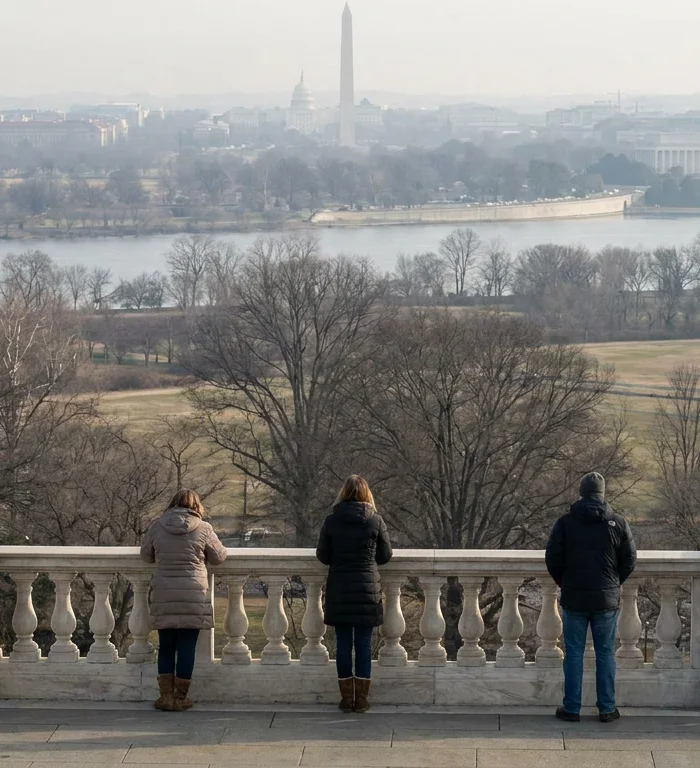
Nine members of the Kennedy family have filed a motion in federal court to block the construction of a proposed 250-foot triumphal arch near Arlington National Cemetery. The plaintiffs argue that the structure would obstruct historically significant sightlines to the gravesites of President John F. Kennedy, Senator Robert F. Kennedy, and other family members interred at the site.
The legal challenge asserts that the project constitutes an unlawful interference with the cemetery and the surrounding national landmarks, including the Lincoln Memorial and the Robert E. Lee Memorial. The filing contends that the scale of the monument would disrupt the solemnity of military funerals and permanently alter the visual integrity of the area.
Legal representatives for the family argue that the Legal representatives for the family argue that the executive branch lacks the constitutional authority to authorize a project of this magnitude without congressional approval. This motion aligns the Kennedy family with existing litigation brought by veterans and preservation groups, further complicating the administration’s stated timeline to complete the project within two years.
Arlington National Cemetery
The lawsuit emphasizes the separation of powers, claiming that the administration is attempting to bypass legislative oversight. The outcome of this case will determine whether the executive branch maintains the authority to unilaterally alter federal land adjacent to national monuments or if such projects require explicit congressional authorization.
Observers should monitor the court’s response to the motion, as it may set a precedent for the limits of executive power regarding the development of federal property near protected historical sites. The case remains active, with potential implications for the administration's broader infrastructure and monument construction agenda.
More stories
- FCC approves prison cellphone jamming despite 2.5-mile warning
- Congress tests Black Democrats' growing policy influence
- Cotton faults Lutnick over AI chips allegedly sent to China
- Vance declines to back Iran strikes as Trump defends war
- Paul seeks 20%-30% federal credit for U.S. film shoots
- Trump targets data centers abroad with tax threat to firms
- Nvidia's Huang gets Trump backing as spy allegations widen
- Trump staff shake-up puts Miller in Wiles’ White House position
- Political realities push Starmer toward timetable as Burnham looms
- Andy Burnham by-election win puts Labour leadership in play
Latest news
- Macy’s parade faces balloon limits as storm winds approach
- COP31 climate talks collapse over fossil fuels and funds
- Highly diversified investors report 91% confidence in retirement
- Russian military faces 1,087 recorded suicides in Ukraine war
- US faces China, Russia in Africa minerals contest
- Russian war deaths top 460,000, Guardian says
- Nvidia board gets Trump input on Jensen Huang return as CEO
- Rwanda faces budget strain from 85% electricity access push