Political realities push Starmer toward timetable as Burnham looms
Starmer exit timetable talk intensified after Peter Kyle said the prime minister is weighing political realities amid reports of an early leadership change.
Lauren Collins ·
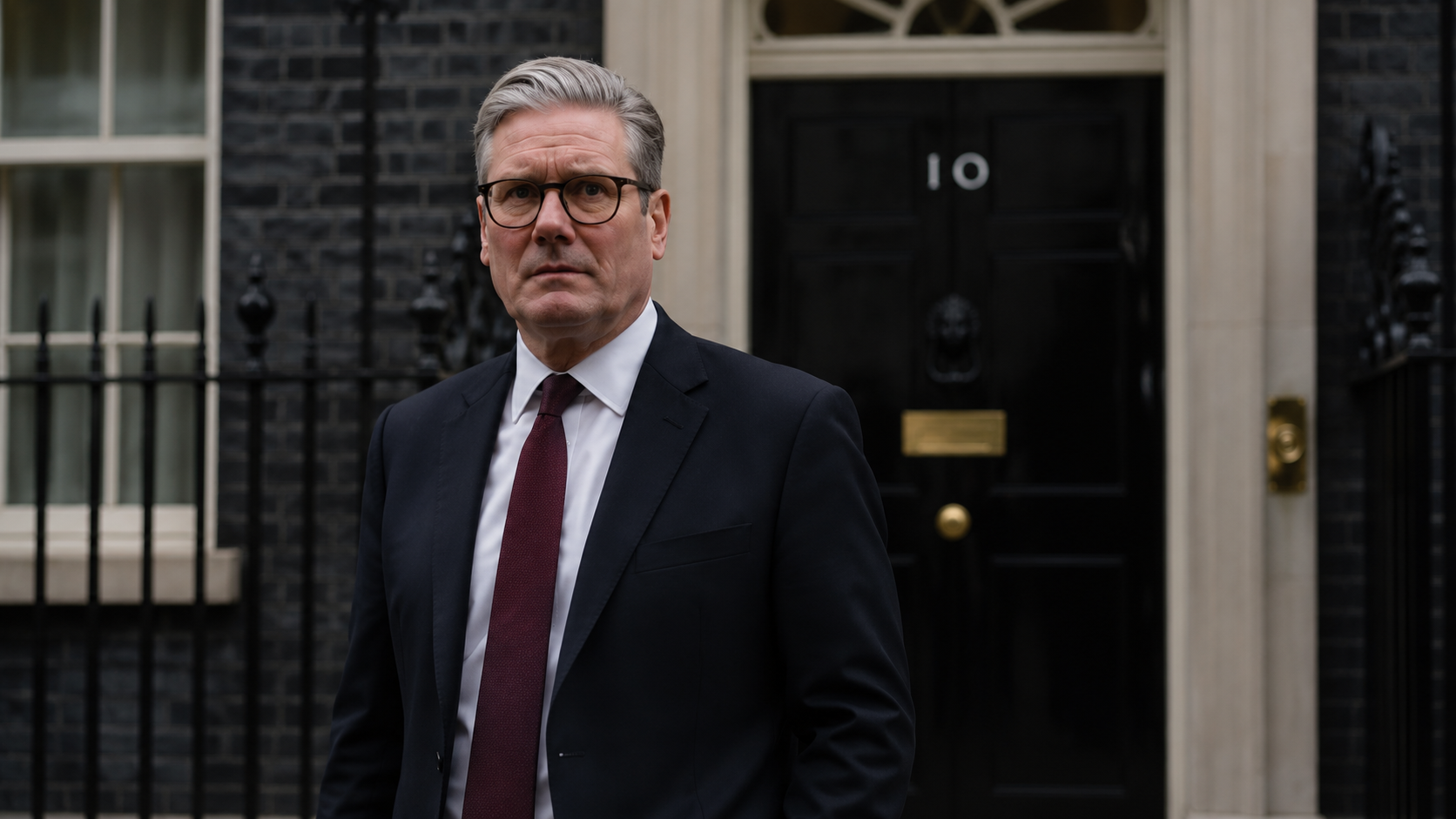
Starmer exit timetable talk intensified on Sunday after Business Secretary Peter Kyle said the prime minister is taking time to assess the “political realities” facing his leadership.
Kyle, speaking to Sky News, said Keir Starmer has been holding discussions with “a wide, wide range” of people, including cabinet colleagues. He added that Starmer had also been working through the weekend while reflecting on challenges and opportunities.
The comments come as reports circulate that Starmer could soon set out a schedule for stepping aside. Those reports have gained traction following a high-profile special election result that has sharpened questions about Labour’s direction and electoral strategy.
Burnham victory accelerates leadership speculation
Andy Burnham, described as a leadership rival, won a parliamentary special election last week and is expected to return to Parliament. The result has been cited by Labour figures as evidence that Burnham can outperform opponents associated with the rise of right-wing populism.
That dynamic matters because Nigel Farage’s Reform UK has led national opinion polls for more than a year, according to the reports cited in the account. The special election outcome is being interpreted inside Labour as a test of which approach best counters Reform’s appeal.
Starmer’s leadership is now described as facing unprecedented pressure. The reporting indicates that Labour colleagues view Burnham’s win as a practical demonstration of electability against Reform UK’s momentum.
Cabinet mood shifts as senior figures weigh options
Private assessments within government are also said to be hardening. People familiar with the views of more than 15 cabinet members told Bloomberg on Friday that a clear majority believe it is inevitable that Burnham will replace Starmer.
Foreign Secretary Yvette Cooper is reported to be among those who have privately urged Starmer to step down. While Kyle did not address specific internal calls, his emphasis on reflection and engagement signalled that leadership questions are being treated as an immediate political issue.
Publicly, cabinet ministers typically avoid commenting on leadership timelines, particularly when no formal process has been announced. The current reporting, however, points to a widening gap between the private expectations of senior figures and the government’s outward message of continuity.
What a timetable could mean for Labour’s next phase
A leadership timetable—if announced—would give Labour MPs and party officials a clearer framework for transition planning. It could also affect how the government communicates policy priorities, as leadership uncertainty often compresses the window for difficult decisions.
The stakes are heightened by Reform UK’s sustained polling strength, which has altered the competitive landscape and sharpened debates over messaging and voter coalition strategy. Burnham’s special election win is being framed as a data point suggesting Labour may need a different style of contest against populist narratives.
For now, the only on-the-record signal from government is Kyle’s statement that Starmer is speaking with many people and taking time to consider his position. The next step to watch is whether Starmer or senior allies confirm, deny, or clarify the existence of any Starmer exit timetable, and whether Burnham’s parliamentary return changes the internal balance of support.