Andy Burnham by-election win puts Labour leadership in play
Andy Burnham’s Makerfield by-election win sent the Greater Manchester mayor to Parliament, intensifying scrutiny of Labour’s leadership and next steps.
Claire Dubois ·
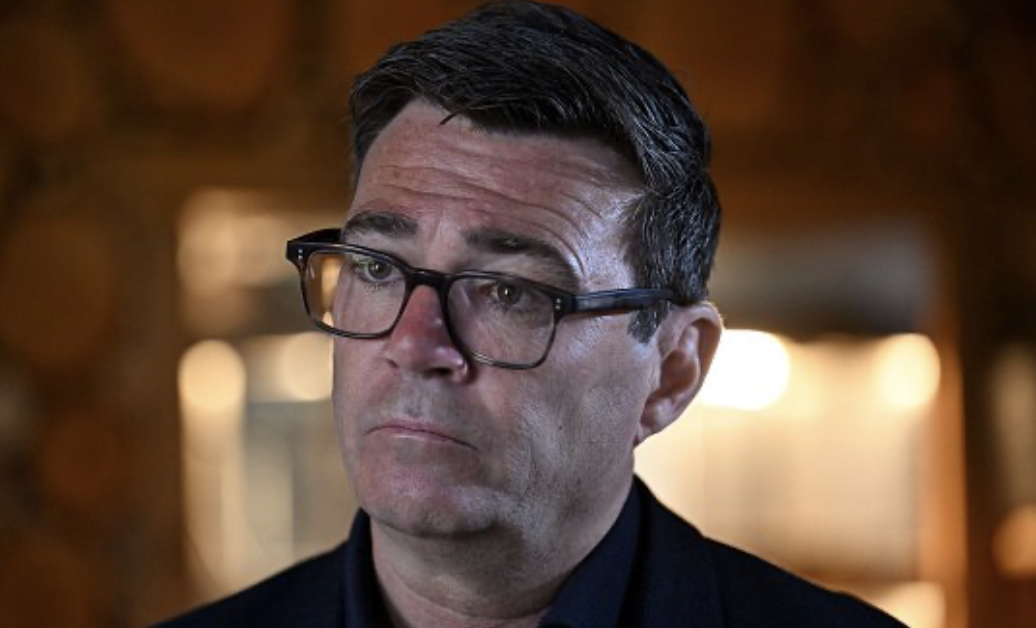
Andy Burnham by-election win in Makerfield has reshaped Westminster’s immediate political map, delivering the Greater Manchester mayor a House of Commons seat and fuelling fresh pressure on Labour’s leadership.
Results released early Friday showed Burnham comfortably ahead of Robert Kenyon, the Reform UK candidate. The contest carried wider significance because a Commons seat is a key platform for any politician seeking to lead the party in government.
Makerfield result gives Burnham a national platform
Burnham secured 24,927 votes, according to the published count, finishing more than 9,000 votes ahead of Kenyon. Reform UK, positioned as an anti-immigration party, placed second in the northern England seat.
The rest of the field trailed far behind. Rebecca Shepherd, standing for Restore Britain, finished third, with Michael Winstanley for the Conservatives, Sarah Wakefield for the Greens and Liberal Democrat Jake Austin further back.
In his victory remarks, Burnham framed the result as a response to frustration with the political system. “Everyone knows that politics is not working,” he said, adding that the country “isn’t where it should be.”
Burnham also described the vote as a potential inflection point for national change, arguing that Makerfield could become linked with “bringing about the change this country needs.” His comments signalled that he intends to use the seat as more than a local mandate.
Labour leadership questions sharpen after the vote
The result immediately intensified talk of a contest for Labour’s top job and, by extension, leadership of the country. Prime Minister Keir Starmer now faces a political moment in which allies and rivals alike will be watching whether he can contain dissent and project authority.
Burnham’s victory is being read by some in Labour as a springboard for a direct challenge to Starmer. The by-election outcome also adds another potential heavyweight to any future leadership race, in a field that the source material suggests could include Wes Streeting, identified as a former health secretary.
In the UK system, a governing party can change its leader—and therefore the prime minister—without calling a general election. That mechanism means internal party dynamics can quickly translate into changes at the top of government, even when voters are not returning to the polls nationwide.
While the by-election was fought in a single seat, its impact could be broader if it accelerates manoeuvring inside Labour. A leadership challenge would test party unity, parliamentary discipline and the government’s ability to maintain focus on legislation and delivery.
What the numbers suggest about opposition strength
Kenyon’s second-place finish underlines Reform UK’s continuing ability to compete in parts of England, even when it does not secure victory. The margin—over 9,000 votes—also indicates that Burnham’s campaign assembled a coalition broad enough to overcome a consolidated challenger on the right.
The Conservatives’ weaker showing, behind Restore Britain and Reform UK, points to a fractured opposition vote in the constituency. For Labour, that fragmentation can be beneficial in a by-election, but it may also signal a volatile electorate in which support can shift quickly between parties.
Next steps will depend on whether Starmer moves to reaffirm his leadership or whether internal pressure forces a formal contest. For Burnham, the immediate implication is a transition from mayoral power base to parliamentary politics, with expectations now set by a decisive win and an explicitly national message.