Georgia Senate race sees Mike Collins secure GOP nod.
Mike Collins won the Georgia GOP Senate runoff after a tough endorsement battle, setting up a competitive matchup against incumbent Jon Ossoff.
Lauren Collins ·
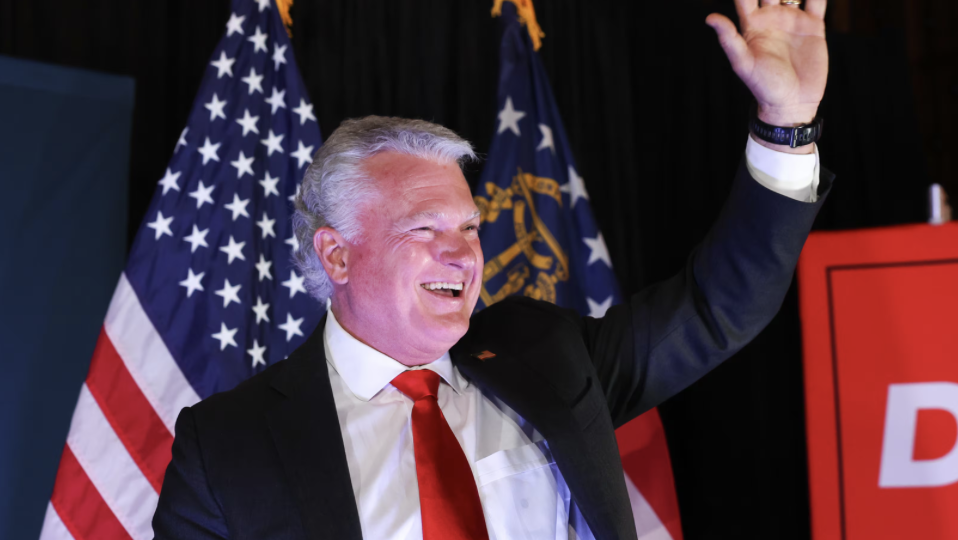
Representative Mike Collins secured the GOP Senate nomination in Georgia's runoff election, setting up a high-stakes clash against incumbent Jon Ossoff. By defeating newcomer Derek Dooley, Collins advances to a general election matchup that will play a critical role in deciding which party controls the chamber next January. The victory caps a costly and highly visible primary campaign that highlighted deep programmatic divisions within the state's Republican leadership.
A Proxy War Between Trump and Kemp
The runoff election served as a proxy battle between former President Donald Trump and popular Georgia Governor Brian Kemp. Kemp put his political weight behind Dooley, a former college football coach, arguing that Dooley’s moderate posturing offered the strongest chance to unseat the incumbent Democrat. Trump intervened late in the cycle to endorse Collins, citing Dooley's public acknowledgment of the certified 2020 election results as a key point of divergence.
This endorsement duel revives a long-standing factional dispute between the governor and the former president. Kemp previously resisted Trump's demands to overturn the 2020 Georgia presidential vote and easily defeated a Trump-backed primary challenger in his 2022 re-election campaign. While Kemp remains a formidable force with high approval ratings, Trump’s influence among core primary voters proved decisive in propelling Collins to the nomination.
Ossoff's Massive Cash Advantage
Collins now faces the challenge of unseating Ossoff in a swing state that has grown increasingly expensive and difficult for both parties to navigate. The Democratic incumbent enters the general election cycle with a significant financial advantage, boasting a campaign war chest exceeding $55 million. Early public polling indicates Ossoff maintains a narrow, single-digit advantage over Republican challengers, leading the Cook Political Report to classify the seat as "Lean Democrat."
Despite this rating, Republicans view Georgia as a prime pickup opportunity, pointing to Trump’s presidential victories in the state in both 2016 and 2024. Georgia’s political terrain has transformed over the last decade, shifting from a reliable Republican stronghold into one of the country's most competitive battlegrounds. Split-ticket voting and shifting suburban demographics around Atlanta have made statewide victories highly unpredictable for both parties.
This complex environment means that candidate quality and campaign infrastructure will play outsized roles in the final months.
Path to the General Election
To win in November, Collins must successfully unite the Trump faction and the mainstream Kemp coalition under a single banner. Legislative strategy and party mobilization will likely centralize around economic policy and federal judicial appointments to appeal to both suburban moderates and rural conservatives. Whether the lingering primary divisions will depress Republican turnout or limit donor engagement remains a primary concern for national party strategists.
The institutional challenge for Republicans in Georgia has always been coordinating state-level machinery with national presidential campaigns. With federal tax cuts and spending bills on the legislative horizon in 2025, the outcome of this race carries profound implications for the national policy agenda. Activists on both sides recognize that a single seat could dictate the limits of executive power and regulatory oversight.