Iran Gulf threats push Gulf states toward Trump talks again
Iran warned Gulf states that US strikes on Tehran could draw attacks on energy, water and transport assets, people familiar with the contacts said.
Omar Farouk ·
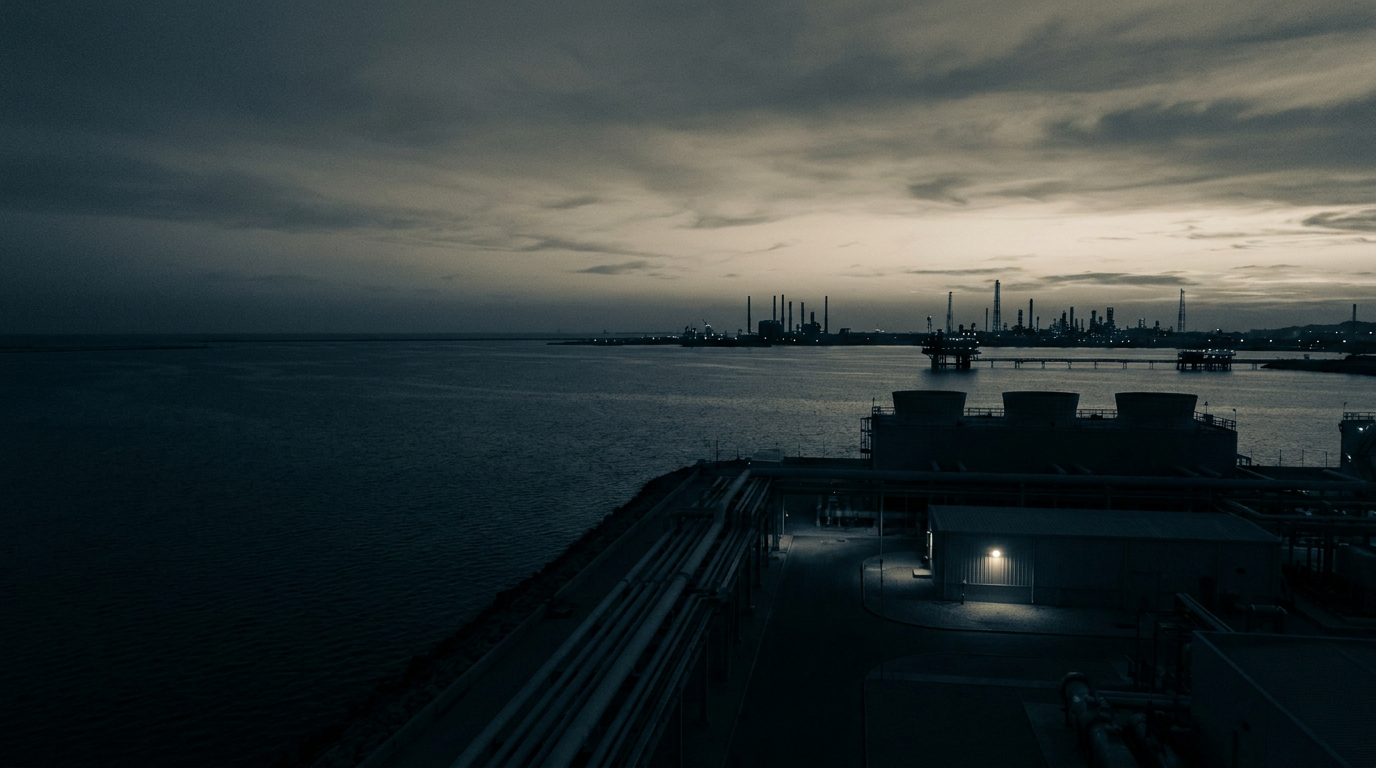
Iran Gulf threats put at least six categories of regional infrastructure at risk as Tehran presses Gulf states to lobby President Trump.
The warning was delivered through high-level diplomatic contacts after President Trump threatened on July 28 to strike Iran's energy network and infrastructure, people familiar with the discussions said. The message sought to deter further US military action by tying any renewed attack on Iran to possible damage across the Gulf.
Six infrastructure categories named
A senior Iranian official said Tehran's target list included energy facilities, oil fields, refineries, electricity grids, water infrastructure and transport networks. The official framed those assets as part of the strategic base supporting Washington's closest Arab partners in the region.
Iranian Foreign Minister Abbas Araqchi spoke with counterparts in Saudi Arabia, Turkey and Qatar, as well as Pakistan's army chief, according to people briefed on the outreach. Those people were not named because the contacts involved sensitive security discussions.
Araqchi's message, according to a senior regional diplomat, was that Gulf governments should use their access to President Trump to press for negotiations rather than another round of strikes. The diplomat said Iran warned that any attack on Iranian infrastructure would be followed by retaliation against US assets and critical infrastructure in the Gulf.
Saudi and Qatari channels matter
The warning was intended for Gulf governments broadly, but people familiar with the contacts said it moved mainly through Saudi Arabia and Qatar. That route reflects Iran's repaired ties with several Gulf neighbors, including Saudi Arabia, after years of direct rivalry and proxy confrontation.
Saudi Crown Prince Mohammed bin Salman later urged President Trump to delay military action, return to talks, seek a ceasefire and pursue a diplomatic settlement, Gulf sources and a regional diplomat said. On August 2, Trump said he agreed to cancel the attack on Iran "subject to being able to rapidly make a deal."
Riyadh also signaled that restraint did not mean leaving itself exposed. A Gulf source said Saudi Arabia warned that any attack on its territory would draw a military response, creating a deterrence message aimed at both Tehran and Washington.
Ali Shihabi, a Saudi analyst close to the Royal Court, said the kingdom's assessment is that further escalation is unlikely to produce the result Washington wants. "The Kingdom believes a combination of proportionate military responses and sustained pressure on Iran in the Strait of Hormuz offers the strongest path toward a practical diplomatic settlement," Shihabi said.
Aramco memory shapes risk
The warning lands in a region with recent experience of energy infrastructure vulnerability. In September 2019, drone and missile attacks on the Abqaiq and Khurais facilities temporarily knocked out more than half of Saudi Arabia's crude oil production, a disruption still cited in Gulf security planning.
Iran's clerical leadership has also demanded the closure of US military bases in the Gulf and called on Gulf Arab states to stop sharing intelligence with Washington. Tehran believes such intelligence has been used to facilitate attacks against it, according to the Iranian officials cited in the discussions.
If the August 2 pause holds and talks resume, the immediate macro effect would be a lower perceived risk of disruption to Gulf energy supplies, while Aramco and regional utilities would remain on alert rather than in recovery mode. If US strikes resume instead, Iran's stated mechanism for retaliation points to energy, power, water and transport assets; that path would put Gulf infrastructure operators and the wider oil sector under direct security pressure.
The main open question is whether Washington can obtain terms it can present as a military and political success without giving Tehran the same claim. A senior regional diplomat said one obstacle is US reluctance to allow Iran to emerge from negotiations saying it won the confrontation.