Strait of Hormuz Deal Faces Toll Clash With Washington Again
A reported Iran-Oman Strait of Hormuz plan would restrict US and Israeli vessels, leaving Gulf energy flows and Brent pricing exposed to talks.
Omar Farouk ·
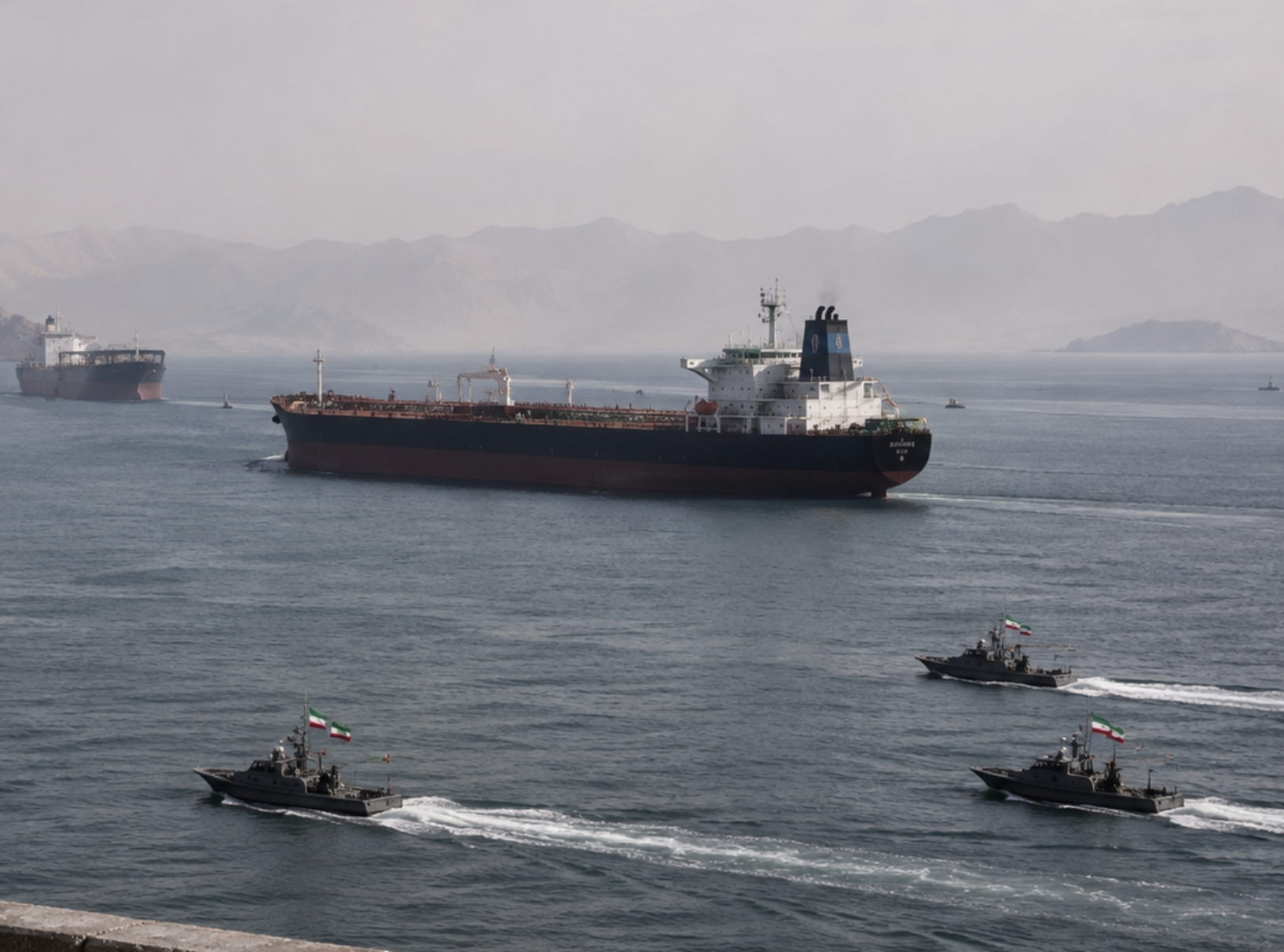
Iran is weighing a Strait of Hormuz plan barring US and Israeli vessels, with Brent above $82 as Gulf energy flows remain constrained.
Iran-Oman terms reach parliament
The proposal, described in Iranian local media, would put Oman and Iran at the center of managing traffic through one of the world’s most sensitive maritime passages. The text is under review in Iran’s parliament, a semi-official Iranian news agency reported.
Under the reported terms, vessels linked to the US or Israel would be blocked from passage. Countries Tehran classifies as hostile would also have to pay compensation before access is permitted, while cargo tied to Israel would face a separate prohibition, the report said.
Brent trades above $82
Brent crude traded above $82 a barrel on Thursday after the reports, while remaining below levels seen before President Trump said at the weekend that he had called off a major military strike. The price move showed traders still assigning a premium to unresolved access through the Gulf route.
Officials in Washington and Tehran have both signaled in recent days that some form of understanding may be near. President Trump repeated late Wednesday that an accord was close, after stepping back from his latest threats to resume attacks on Iran.
The US position remains centered on unrestricted passage. A US official said Thursday that any temporary lanes through the strait should not require permits, clearances, tolls, or fees, directly challenging the reported Iranian proposal.
Sanctions terms remain unresolved
Tehran has said a full reopening would require the end of what it describes as an American maritime blockade. Washington has not indicated whether it would return to terms discussed in a June arrangement that fell apart within weeks.
That earlier framework included relief from oil sanctions on Iran and access to some frozen financial assets, according to the reported account. Those terms matter because they connect navigation through Hormuz to the broader economic pressure campaign on Tehran, not only to port procedures or shipping rules.
The proposed fee structure would cover services including insurance coverage and environmental expenses, the Iranian report said. The central uncertainty is whether Washington would treat those charges as maritime administration or as a toll system that conflicts with its demand for free passage.
Three paths for Gulf flows
If Iran’s parliament approves the text and Washington accepts temporary passage without conceding on tolls, energy flows could resume in stages. That would ease the immediate macro pressure from Gulf supply risk, give Tehran a limited route to revenue access, and allow insurers and shippers to price voyages with clearer rules.
If the plan is approved but the US rejects fees or exclusions on Israeli-linked cargo, traffic may remain constrained while negotiations continue. In that scenario, the global effect would be a continuing risk premium in crude, Iran would face a longer squeeze on export channels, and the shipping sector would keep routing, insurance, and compliance decisions on short timetables.
If the talks break down and military threats return, the mechanism shifts from legal access to security risk. Oil buyers would face less predictable Gulf supply, Tehran would have fewer incentives to reopen the route, and tanker operators would likely demand higher compensation before entering the waterway.
Parliament’s review in Tehran is the next formal step identified in the reports. The main open question is whether any approved text can satisfy Iran’s demand for compensation while preserving the US insistence on transit without charges or political screening.