

Federal Court Advances $10 Billion Defamation Lawsuit Against Broadcaster
A federal judge has allowed a $10 billion defamation lawsuit to proceed, ruling that the plaintiff sufficiently alleged actual malice regarding a…
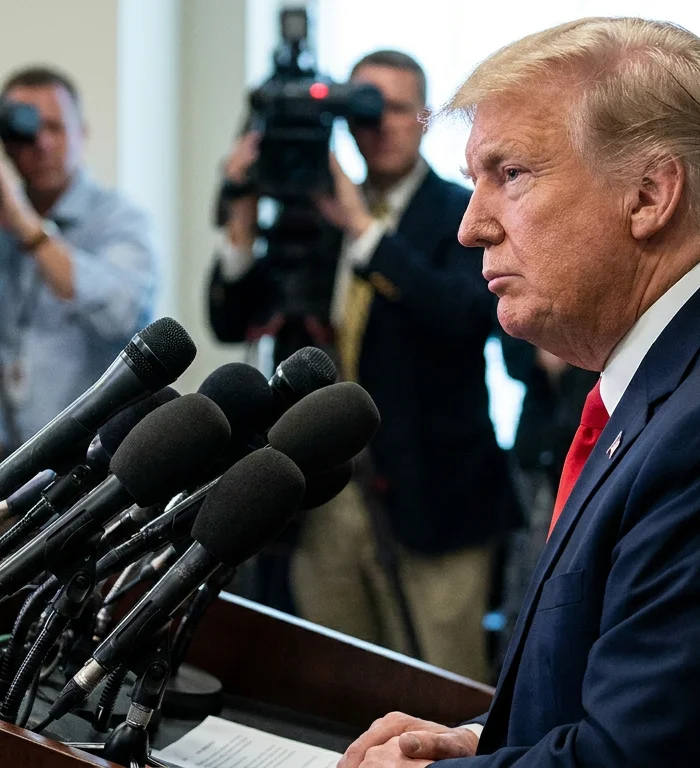
A federal district court judge has denied a motion to dismiss a $10 billion defamation lawsuit filed by Donald Trump against a major international broadcaster. The litigation centers on a documentary that allegedly spliced disparate comments from a speech to create a misleading narrative regarding the January 6 Capitol insurrection. The court determined that the plaintiff has sufficiently pleaded claims of actual malice, noting that the editing process in question may have created a statement that was substantively different from the original remarks.
The ruling highlights the court's focus on the potential for reputational harm during sensitive political cycles. The judge emphasized that the significant time disparity between the edited segments supports a plausible inference that the broadcaster acted with reckless disregard for the truth. Furthermore, the court cited the broadcaster’s history of alleged inaccuracies as potentially probative of its state of mind, suggesting that the departure from established journalistic standards exceeds the threshold for mere negligence.
While the case will proceed
While the case will proceed, the court dismissed claims related to Florida’s Deceptive and Unfair Trade Practices Act. The plaintiff faces a high evidentiary burden, as he must prove actual damages resulting from the broadcast, despite the documentary not being aired in the jurisdiction where the lawsuit was filed. The court has also mandated that the plaintiff participate in a deposition by December 11 to avoid potential sanctions.
This development signals a prolonged legal challenge regarding the boundaries of editorial discretion and the liability of media organizations when condensing political content. Institutional stakeholders should monitor the discovery phase, as the court’s focus on the broadcaster’s internal editorial processes and past conduct may set a precedent for future defamation litigation involving public figures. The broadcaster maintains its defense, asserting confidence in its position as the matter moves toward trial.
More stories
- FCC approves prison cellphone jamming despite 2.5-mile warning
- Congress tests Black Democrats' growing policy influence
- Cotton faults Lutnick over AI chips allegedly sent to China
- Vance declines to back Iran strikes as Trump defends war
- Paul seeks 20%-30% federal credit for U.S. film shoots
- Trump targets data centers abroad with tax threat to firms
- Nvidia's Huang gets Trump backing as spy allegations widen
- Trump staff shake-up puts Miller in Wiles’ White House position
- Stephen Miller succeeds Wiles as White House chief of staff
- Raman wins Los Angeles mayor race as Bass concedes defeat
Latest news
- Trump prepares tariffs on China and other major exporters
- New-car buyers pay record average $50,087 in October
- Banks face ECB reserve debate over liquidity and profits
- Investors see Anthropic debut gains fade below $83 a share
- Iraq orders federal control over Kurdish-area oilfields
- Germans oppose Ukraine aid as poll shows support slipping
- Kim Jong-un receives 10 envoys after constitutional shift
- Ukraine claims Libya strike sinks Russian naval corvette