

Internal Leadership Dispute Emerges Within Senate Democratic Caucus
Senator Chris Van Hollen is challenging Chuck Schumer for Senate majority leader, citing a need for new leadership and disputing the incumbent’s role in…
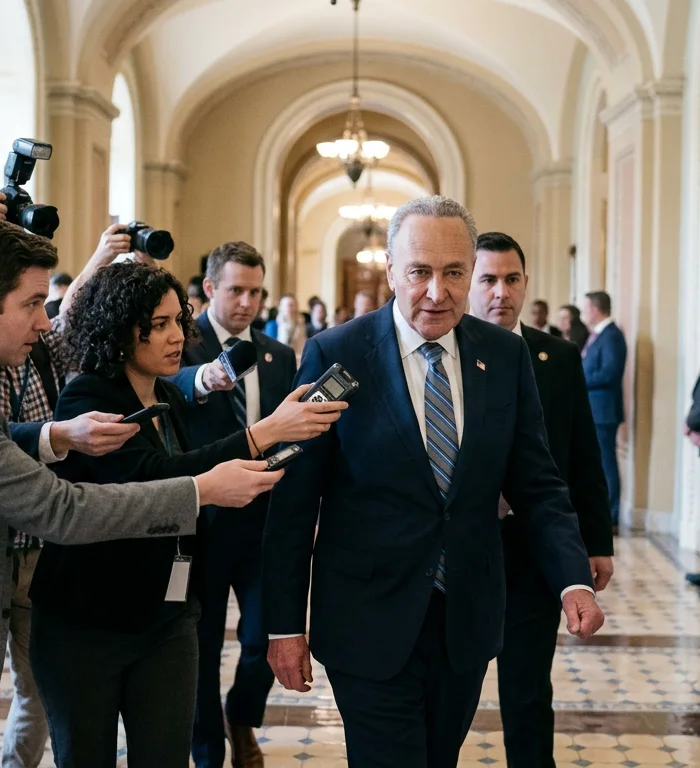
Senator Chris Van Hollen has formally challenged Senator Chuck Schumer for the position of Senate majority leader, initiating a public debate regarding the strategic direction and governance of the Democratic caucus. The challenge follows recent midterm election results in which Democrats secured 55 Senate seats. Van Hollen contends that these electoral gains were primarily driven by a grassroots rejection of the executive branch rather than the centralized campaign management of Washington-based party leadership.
Van Hollen has criticized the current leadership structure, characterizing the internal campaign to retain Schumer as reliant on misinformation and intimidation tactics. He argues that the party’s success in diverse races—including gubernatorial and legislative contests—demonstrates that local candidates succeeded independently of national party orchestration. By citing specific examples of candidates who received late-stage support from national committees, Van Hollen seeks to frame the current leadership as disconnected from the party's broader electoral base.
Proponents of Schumer
Conversely, supporters of the incumbent leadership maintain that the election results validate the current caucus strategy. Proponents of Schumer, including members of the Democratic Senatorial Campaign Committee, credit his management with maintaining message discipline and providing essential support to candidates. These allies argue that the current leadership has successfully navigated the caucus through a high-stakes election cycle, warranting continuity in the party's top position.
The leadership contest has exposed significant ideological and procedural divisions within the party. While Schumer has secured public endorsements from a substantial number of senators, Van Hollen has garnered support from progressive members who advocate for a shift in party priorities. The dispute has reached a level of intensity where some members have indicated that the outcome of the leadership vote could influence their future alignment with the caucus. As the internal election approaches, the conflict highlights a broader struggle over whether the party should prioritize established leadership structures or transition toward a new organizational model.
More stories
- FCC approves prison cellphone jamming despite 2.5-mile warning
- Congress tests Black Democrats' growing policy influence
- Cotton faults Lutnick over AI chips allegedly sent to China
- Vance declines to back Iran strikes as Trump defends war
- Paul seeks 20%-30% federal credit for U.S. film shoots
- Trump targets data centers abroad with tax threat to firms
- Sanders proposes $2,400 Social Security increase
- Trump administration plans vaccine-injury payments for doctors
- ICE shooting injures man in New York as mayor seeks halt
- Hegseth says Hasan execution will be open to public view
Latest news
- Trump prepares tariffs on China and other major exporters
- New-car buyers pay record average $50,087 in October
- Banks face ECB reserve debate over liquidity and profits
- Investors see Anthropic debut gains fade below $83 a share
- Iraq orders federal control over Kurdish-area oilfields
- Germans oppose Ukraine aid as poll shows support slipping
- Kim Jong-un receives 10 envoys after constitutional shift
- Ukraine claims Libya strike sinks Russian naval corvette