

US Government Dismisses Systemic Risk Following Series of National Tech Outages
The US administration denies systemic risk following a series of critical infrastructure outages, attributing the failures to complex system upgrades rather…
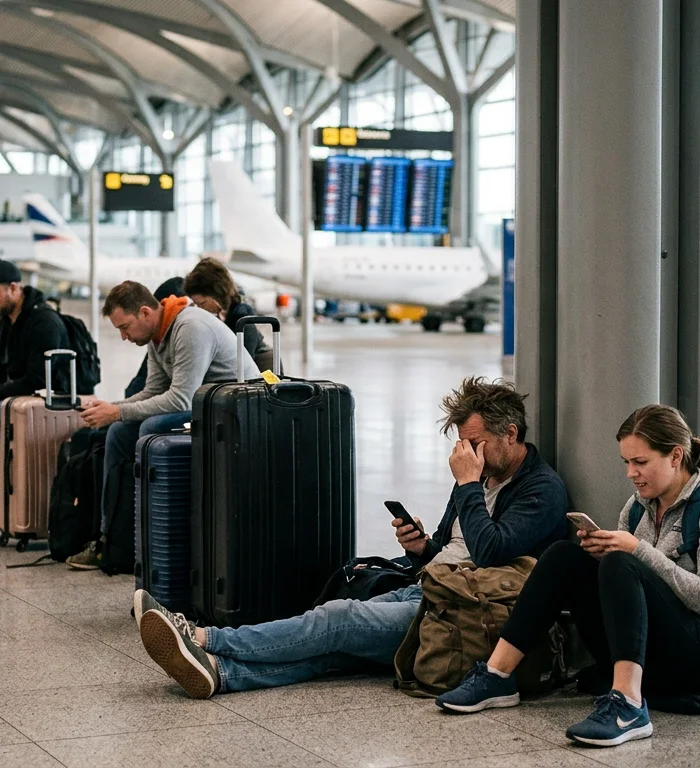
A sequence of technology failures affecting critical infrastructure, including Security Agency (NSA), major financial institutions, and the aviation sector, has prompted calls for increased transparency from federal lawmakers. Despite the breadth of the disruptions—which included the longest nationwide ground stop for US aviation since 2001—the administration maintains that the incidents are isolated and unrelated to cyberattacks or state-sponsored activity.
Intelligence officials attribute the instability to a wave of system-wide upgrades and patches. These updates were reportedly accelerated to address vulnerabilities identified by artificial intelligence tools, specifically a PHP server flaw discovered in October. According to government assessments, the complexity of these automated handoffs between systems has resulted in cascading failures, rather than malicious interference.
Reports indicate that organizations such as the Federal
While the administration has characterized the situation as a manageable byproduct of modernization, the frequency of the outages has raised concerns regarding the resilience of critical infrastructure. Lawmakers have questioned whether recent workforce reductions and aggressive cost-cutting measures at both government agencies and private firms have compromised operational stability. Reports indicate that organizations such as the Federal Aviation Administration, Microsoft, and United Airlines have undergone significant headcount reductions prior to these technical disruptions.
Industry experts note that the interconnected nature of modern digital infrastructure increases the risk of single points of failure. Although officials emphasize that mission-critical capabilities remain intact, the pattern of daily disruptions since November 12 has intensified scrutiny of the private sector’s reliance on AI-driven maintenance and the potential impact of reduced staffing levels on system oversight. Policymakers are expected to continue demanding detailed briefings to determine if the current technical volatility represents a structural weakness in national security and economic stability.
More stories
- FCC approves prison cellphone jamming despite 2.5-mile warning
- Congress tests Black Democrats' growing policy influence
- Cotton faults Lutnick over AI chips allegedly sent to China
- Vance declines to back Iran strikes as Trump defends war
- Paul seeks 20%-30% federal credit for U.S. film shoots
- Trump targets data centers abroad with tax threat to firms
- Cao faces Senate scrutiny over $32.5m-a-day Iran blockade estimate
- Nvidia forms security panel as chip controls tighten again
- Voters await Andy Burnham economic detail after Starmer exit
- Waivers on Iran sanctions test energy, shipping, finance rules
Latest news
- Trump prepares tariffs on China and other major exporters
- New-car buyers pay record average $50,087 in October
- Banks face ECB reserve debate over liquidity and profits
- Investors see Anthropic debut gains fade below $83 a share
- Iraq orders federal control over Kurdish-area oilfields
- Germans oppose Ukraine aid as poll shows support slipping
- Kim Jong-un receives 10 envoys after constitutional shift
- Ukraine claims Libya strike sinks Russian naval corvette