

US-China Diplomatic Stability Faces Risks from Export Controls and Domestic Political Shifts
Despite high-level diplomatic gestures between President Trump and President Xi, the US-China relationship remains vulnerable to new AI chip export controls…
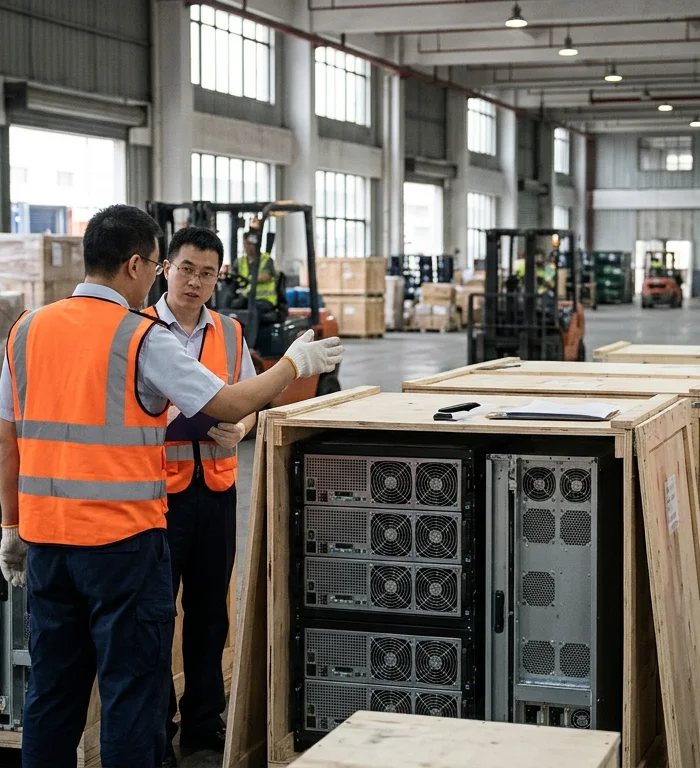
The recent meeting between President Donald Trump and President Xi Jinping at the APEC summit in Shenzhen has highlighted a fragile period of bilateral stability. While both leaders engaged in reciprocal diplomatic gestures, including high-level airport receptions, the underlying structural tensions regarding trade and technology remain unresolved. The current detente is increasingly threatened by ongoing US export restrictions on advanced artificial intelligence semiconductors and the lack of a finalized long-term tariff agreement.
New US Commerce Department regulations, effective as of November 2026, have expanded licensing requirements for AI chip shipments to several Southeast Asian and South American nations. These measures are designed to prevent Chinese firms from circumventing existing export controls through third-party data centers. Beijing has formally expressed dissatisfaction with these restrictions and signaled that retaliatory countermeasures are under consideration, potentially undermining the recent progress in diplomatic engagement.
Following the November 2026 midterm elections
Domestic political shifts in the United States further complicate the sustainability of this rapprochement. Following the November 2026 midterm elections, the Democratic Party has secured control of both chambers of Congress, significantly narrowing the executive branch's legislative latitude. Analysts suggest this shift limits President Trump’s ability to fulfill bilateral commitments or navigate complex trade negotiations, as the administration now faces increased pressure from a legislative body that may favor a more confrontational approach toward China.
Despite these pressures, Beijing continues to view the current US administration as a necessary, albeit limited, stabilizing force against more hawkish elements within the American foreign policy establishment. The two leaders have committed to developing an action plan for strategic stability, yet the efficacy of this framework remains contingent upon the administration's ability to manage domestic political constraints. Observers are monitoring whether the current tariff truce, extended until January 2027, can be maintained in the face of escalating technological competition and shifting legislative priorities in Washington.
More stories
- Germans oppose Ukraine aid as poll shows support slipping
- Kim Jong-un receives 10 envoys after constitutional shift
- Ukraine claims Libya strike sinks Russian naval corvette
- COP31 climate talks collapse over fossil fuels and funds
- Russian military faces 1,087 recorded suicides in Ukraine war
- US faces China, Russia in Africa minerals contest
- Indonesia seeks Google explanation for 19,372 YouTube removals
- San Antonio faces scrutiny over 50,000-hog farm approvals
- French unions call more protests after nationwide marches
- CENTCOM reportedly readies Iran strike options after Nov. 3 polls
Latest news
- Trump prepares tariffs on China and other major exporters
- New-car buyers pay record average $50,087 in October
- Banks face ECB reserve debate over liquidity and profits
- Investors see Anthropic debut gains fade below $83 a share
- Iraq orders federal control over Kurdish-area oilfields
- Nvidia shares retreat as AI rally cools before PCE data
- Macy’s parade faces balloon limits as storm winds approach