

French unions call more protests after nationwide marches
French unions urged further protests and a November 5 strike after police deployed nationwide to contain unrest during Saturday’s marches.
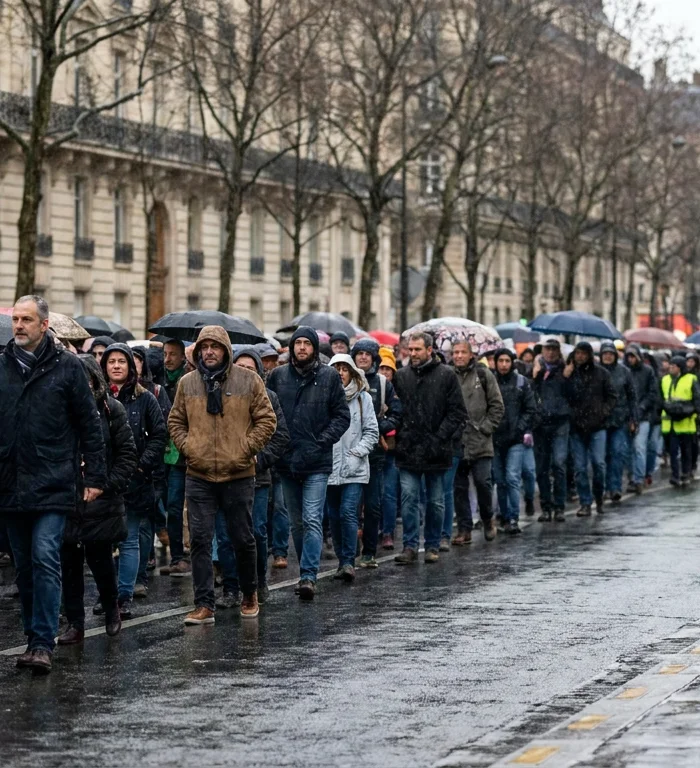
French unions urged further protests and a November 5 strike after police deployed nationwide to contain unrest during Saturday's marches.
The Interior Ministry put participation in the Saturday demonstrations at 410,000 and said authorities mobilized 70,000 police officers. The marches followed unrest on October 17, when cities experienced looting and property damage, making public order a central issue alongside the demonstrators' demands.
The appeals issued on Sunday, October 25, set out another round of mobilization rather than an end to the campaign. Organizers are seeking to sustain pressure on the government through both street demonstrations and a strike, although participation in the next actions is not yet settled.
Unions seek a broader coalition
Union leaders described discontent over pay, household expenses and public services as extending beyond the students who began mobilizing the previous month. That assessment is the organizers' account of the movement's reach, rather than a measured breakdown of those attending Saturday's rallies.
Murielle Guilbert, co-leader of the left-wing Solidaires trade union federation, pointed to overlapping grievances among workers, students, firefighters and other participants. "We see an aggregation of anger," she said, presenting the campaign as a meeting point for groups with different concerns.
Guilbert also urged another turnout: "We call on people to take to the streets next Saturday." The appeal places continued attendance at the center of the unions' strategy; Saturday's participation figure alone does not establish how many people will return or join the proposed strike.
October 31 support remains uneven
SUD Education, the teaching union, said it would participate in the October 31 protest. CGT, a large union whose involvement would add another organization to the mobilization, said it would make its decision during the week rather than immediately commit.
The November 5 strike call sets a separate test from the coming march. An appeal for nationwide industrial action does not establish which workplaces will participate, how long any stoppages will last or whether services will be interrupted; those details remain unspecified.
Yellow Vests propose institutional sit-ins
The Yellow Vests also urged large demonstrations on the coming Saturday, proposing sit-ins at municipal halls and the National Assembly. The grassroots movement began in 2018 in opposition to fuel taxation, giving the latest calls a connection to an earlier campaign over household costs.
If the organizations secure wider participation, the next actions would bring additional groups into the campaign described by Guilbert. If support remains uneven, the separate union decisions will matter more than the breadth of the initial appeals; neither outcome is established by the turnout already reported.
The next concrete decision is CGT's response during the week, followed by the October 31 demonstration and the proposed November 5 strike. Those steps will show whether the calls translate into participation beyond the latest marches, while the scope of any disruption remains uncertain.
More stories
- Three Elections Today. A Global Political Test Ahead.
- Rayner backs Burnham over UK-EU free-movement debate
- Machado returns to Venezuela, testing Rodríguez’s opening
- Portugal police remove 171 housing protest structures
- Serbia records higher turnout as students challenge Vucic
- CENTCOM reportedly readies Iran strike options after Nov. 3 polls
- Philippine internet users 16 and older use AI at 94.4% rate
- Malaysia TVET entrants rise 30% in high-skills push
- Thai police arrest 39 in Cambodia-linked laundering probe