Midterm Results Poised to Reshape US-Iran Relations
US policy towards Iran may escalate after midterm elections, potentially involving strikes on infrastructure, amid concerns over energy prices and military…
Atlas Newsdesk ·
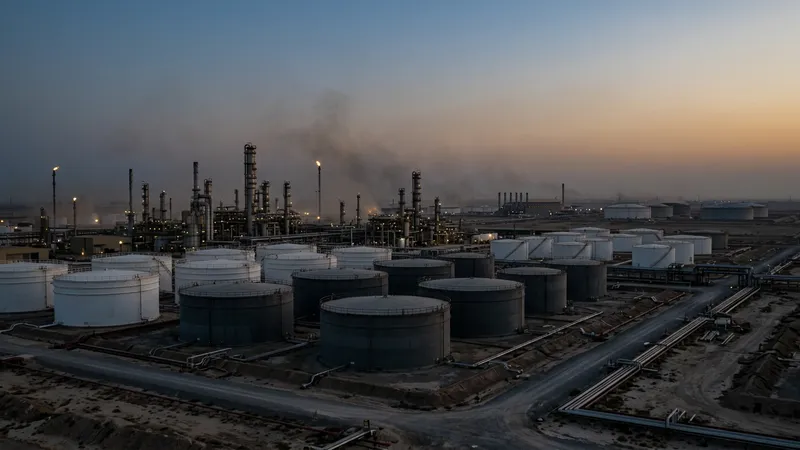
United States policy regarding Iran may undergo a significant re-evaluation and potential escalation after the conclusion of the upcoming midterm elections. This shift could move the current strategy away from diplomatic engagement and economic pressure, which have been prioritized to mitigate domestic political risks, particularly those linked to rising energy costs.
Previously, the administration has been constrained by concerns over the domestic political impact of increased energy prices. This factor has largely encouraged a focus on diplomatic avenues and economic sanctions rather than direct military action. However, analysts indicate that if the current approach does not achieve the desired geopolitical results, the administration might consider alternative strategies.
Potential Escalation Measures
Possible escalatory actions could include intensified military operations targeting Iranian military and energy infrastructure. Additionally, high-profile tactical operations against nuclear stockpiles and oil terminals are among the measures being considered. These actions carry substantial risks, including the potential for retaliatory responses from Iran against regional energy assets.
Such military engagements also raise the possibility of sustained US military involvement within Iranian territory. The decision-making process for the administration is also influenced by external pressure from regional partners and domestic groups advocating for a more aggressive stance, alongside considerations regarding the availability of munitions.
Market Volatility Concerns
While the administration might aim for a decisive end to the conflict through these means, the effectiveness of military options remains uncertain. A transition from the existing economic containment strategy to kinetic operations could introduce considerable volatility within global energy markets.
The reassessment of the US approach could lead to a more confrontational posture, driven by a perceived lack of progress through current methods and reduced domestic political constraints post-elections. This shift represents a critical juncture for regional stability and international energy dynamics.