Spanish Parliament Rejects Housing Measures, Fueling Protests
Spanish lawmakers rejected emergency housing reforms, triggering increased public protests and potential government consideration of early national elections.
Lauren Collins ·
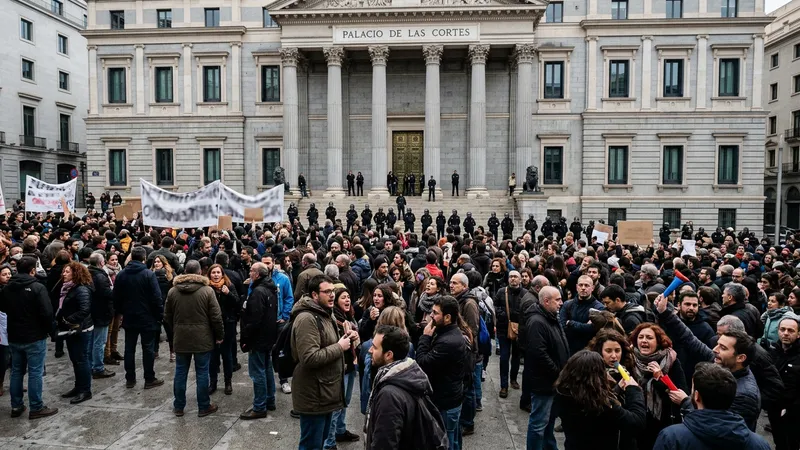
Spain's parliament voted against a package of emergency housing decrees Friday, intensifying public demonstrations and highlighting a growing political divide. The Socialist-led coalition government's proposals, including a moratorium on evictions until 2030 and new rules for temporary and room-based rentals, failed to pass after opposition from conservative, far-right, and regional independence parties.
Opposition Blocks Housing Reforms
The legislative package, aimed at alleviating Spain's housing crisis, was rejected by lawmakers who argued that increasing housing supply, rather than regulating the market, was the appropriate solution. The defeat of these measures underscores a deepening rift between the government and parliamentary opposition, even as polls suggest strong public support for government intervention in the housing market.
Rising Rents Spark Unrest
The Socialist
The rejection of the decrees has fueled ongoing public unrest, with protest encampments expanding in Madrid. Data indicates that housing costs have surged, with average rents for citizens under 30 consuming nearly 98.7% of their average monthly salary.
This financial burden has led to increased calls for a general strike across the country. Early Election Speculation Mounts Against this backdrop of social unrest and legislative deadlock, political instability is rising.
The government is reportedly considering moving national elections forward to November, a year earlier than scheduled. The parliamentary vote reveals the stark divisions within Spain's political landscape regarding economic policy and social welfare.