US, Iran Near Preliminary Peace Accord
The United States and Iran have indicated they are close to signing an initial peace accord to end their conflict, with a preliminary text agreed upon.
Omar Farouk ·
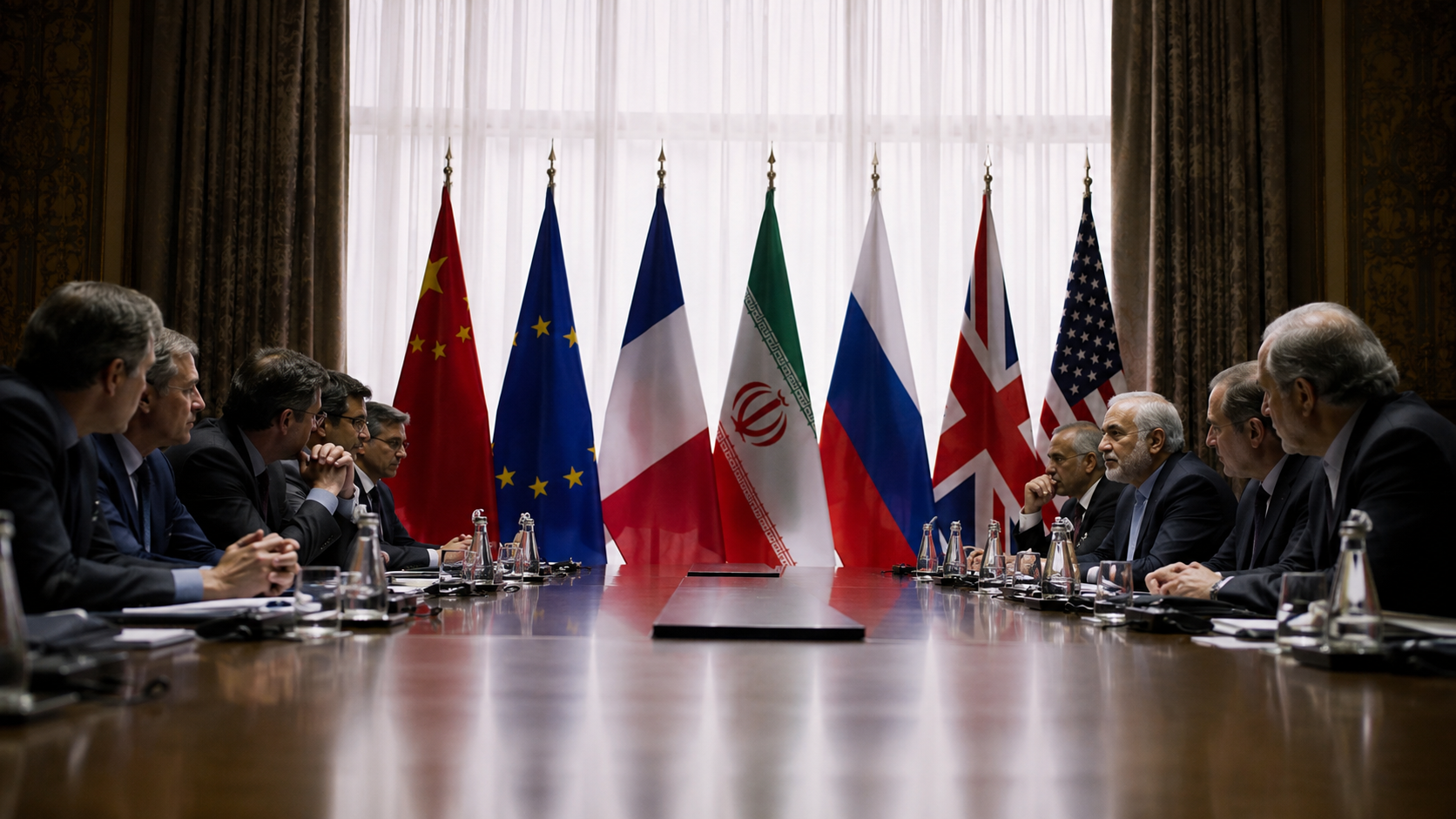
A senior U.S. administration official has confirmed that the United States and Iran have agreed on a preliminary text for a peace accord, signaling a potential end to their prolonged conflict. Washington anticipates signing an initial deal within days, aiming to de-escalate tensions and restore stability in the region.
Iranian Foreign Minister Abbas Araqchi stated that, despite potential minor revisions, the tentative agreement reflects Iran's strengthened position. He declared on state television that Iran had emerged victorious from the confrontation with the U.S.
Strait of Hormuz Incidents
Despite progress in negotiations, recent military engagements highlight ongoing regional fragility. Immediately following Araqchi's remarks, U.S. forces intercepted and shot down several Iranian one-way attack drones. These drones were reportedly heading towards the Strait of Hormuz, posing a risk to commercial shipping operations.
A source familiar with the situation, speaking anonymously, confirmed the U.S. action, which was later corroborated by U.S. Central Command. Central Command affirmed that the crucial waterway, vital for global oil transit, remained open for navigation after the incident.
Terms of the Proposed Agreement
The proposed memorandum of understanding includes provisions for reopening the Strait of Hormuz and lifting the U.S. naval blockade on Iranian ports, according to sources involved in the discussions. This move seeks to normalize maritime trade and reduce economic pressures on Iran.
Crucially, negotiations concerning Iran's nuclear program, which President Donald Trump cited as a primary justification for initiating the conflict, are slated to occur after the initial peace deal is finalized. This sequencing suggests a phased approach to resolving the broader geopolitical challenges between the two nations.
Implications and Next Steps
The impending agreement marks a significant turning point, potentially moving the two nations from active conflict towards dialogue. The re-establishment of open shipping lanes through the Strait of Hormuz could alleviate global energy market uncertainties.
Observers will closely monitor the implementation of the preliminary accord and the subsequent commencement of nuclear program negotiations. The success of these discussions will determine the long-term stability of the U.S.-Iran relationship and broader Middle Eastern security.