Iran Faces Leadership Void After Larijani's Reported Death
Reports indicate Ali Larijani's death, potentially from an Israeli strike, deepening Iran's leadership crisis after Khamenei's passing.
Lauren Collins ·
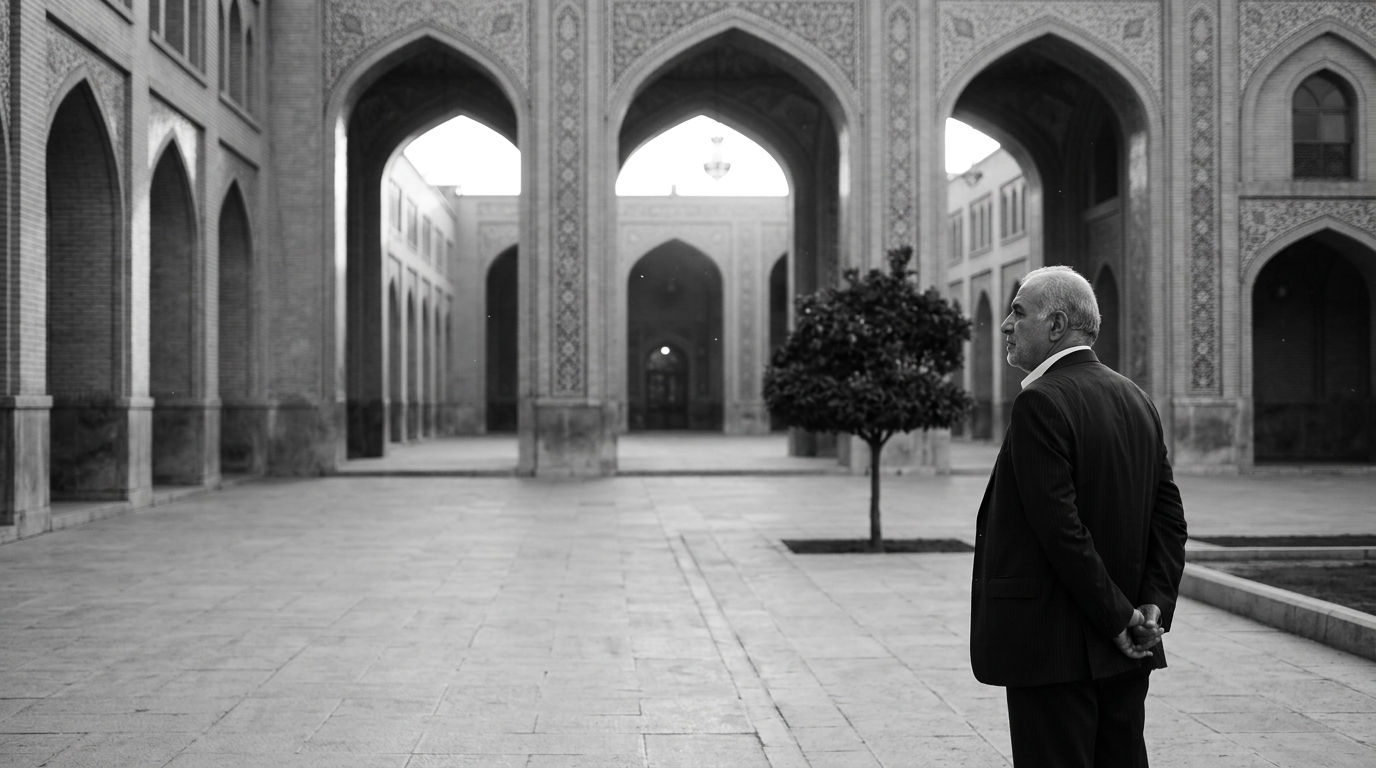
Reports indicate the death of Ali Larijani, a prominent Iranian political figure, potentially due to an Israeli strike. This development follows closely on the heels of the reported demise of Supreme Leader Ayatollah Ali Khamenei in late February, creating a significant leadership vacuum within Iran's political and security apparatus.
Larijani, aged 67, held a critical position as the secretary of the Supreme National Security Council, making him central to Iran's strategic decision-making processes.
Key Figure in Iranian Policy
Ali Larijani was widely recognized as a key architect of Iran's hardline foreign and military policies. His influence extended across various state institutions, including the Islamic Revolutionary Guard Corps (IRGC), despite not being a cleric. He had previously served as Speaker of Parliament, demonstrating his deep integration into the country's political system. His role involved coordinating between political leadership, military branches, and intelligence services.
Deepening Leadership Crisis
The reported death of Larijani exacerbates an already fragile leadership situation in Tehran. Following Khamenei's passing, Larijani had reportedly assumed a de facto leadership role, guiding military strategy and managing the state's response to escalating regional tensions. His absence now leaves a void at a time when Iran is navigating significant internal and external pressures.
Internal Stability Concerns
Larijani was instrumental in maintaining cohesion among Iran's diverse political factions, preventing internal rivalries from undermining the state's unified stance. His removal could trigger intense power struggles among remaining groups, potentially threatening the regime's internal stability. Analysts suggest this could lead to unpredictable outcomes for Iran's governance and its ability to project authority.
Regional Implications and Escalation Risks
The alleged strike, if confirmed, represents a significant blow to Iran's command structure. While some may view it as a strategic success in dismantling enemy leadership, it introduces a new layer of instability to the region. Larijani, despite his hardline views, was considered a seasoned and rational operator. His potential replacement by more radical or less experienced figures could lead to miscalculations, increasing the risk of a wider regional conflict.
The coming weeks are anticipated to be a period of heightened uncertainty regarding Iran's future actions and regional stability.
Historical Context of Iranian Leadership
Iran's political system, established after the 1979 revolution, is characterized by a complex interplay between religious and political authorities. The Supreme Leader holds ultimate power, but figures like Larijani, with extensive experience in both political and security spheres, often play crucial roles in implementing and shaping policy.
The sudden loss of two such pivotal figures in quick succession is unprecedented in recent Iranian history, raising questions about succession and the future direction of the Islamic Republic. The country has a history of internal power dynamics, with various factions vying for influence, and Larijani's ability to bridge these divides was a critical element of his power.
Implications
Country Impact: Iran faces a profound leadership vacuum, potentially leading to internal power struggles and instability. The absence of key figures like Larijani could disrupt policy coordination and decision-making, particularly in foreign and security matters.
Industry Impact: The heightened political uncertainty in Iran could impact global energy markets, particularly oil prices, due to concerns over supply disruptions in the Middle East. Defense and security industries may also see increased activity due to regional tensions.
Market Impact: Global financial markets may react to increased geopolitical risk, potentially leading to volatility in equity markets and a flight to safe-haven assets. Oil futures could experience upward pressure, while currencies tied to regional stability might face depreciation.