D.C. to Use Ranked-Choice Voting in June Primary; Mail Ballots Arriving Now
Mail-in ballots for Washington, D.C.'s June Primary are being mailed to voters and will include ranked-choice voting for the first time — changing how ball…
Sophie McAlister ·
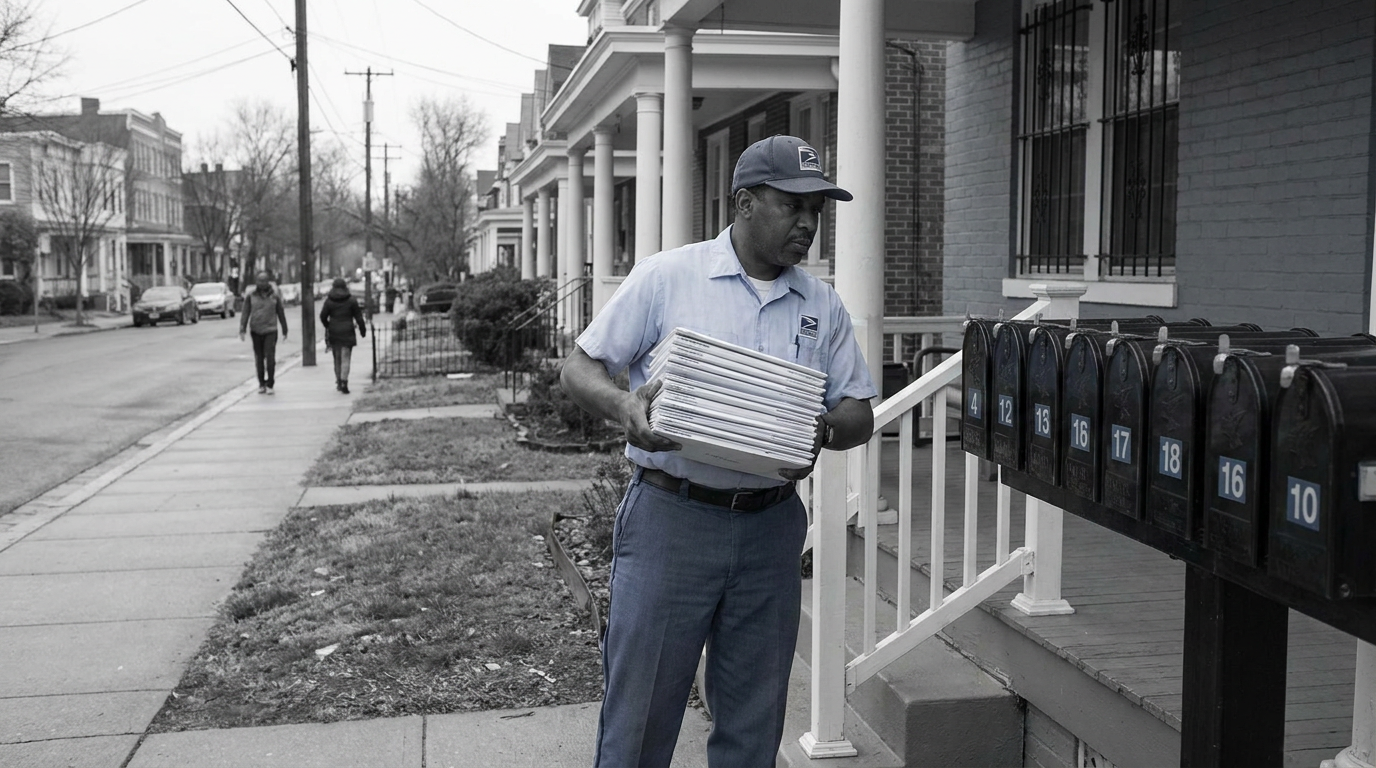
Mail-in ballots for Washington, D.C.'s June Primary are on their way to registered voters, and the ballots will include ranked-choice voting for the first time in the District's history. The change means voters will be able to indicate preferences among candidates rather than selecting a single choice on the ballot.
Under ranked-choice voting, voters can rank candidates in order of preference. If no candidate receives a majority of first-choice votes, the candidate with the fewest first-choice selections is eliminated and ballots for that candidate are redistributed to the voters' next choices. That process repeats until one candidate has a majority.
What voters will see on the ballot
The mail-in ballot format will look different from previous elections because it allows space for voters to indicate multiple ranked preferences. Voters who prefer to vote in person will still have that option on election day; mail-in ballots are part of how the city is administering the June Primary.
Why the shift matters for local races
Ranked-choice voting changes the calculus for candidates and voters in competitive primary contests by encouraging voters to express backup preferences. In multi-candidate races, the system can affect who advances and ultimately wins, particularly in neighborhoods and wards with tight contests.
Election officials have long prepared for the transition to ranked ballots; the arrival of mail-in ballots marks the operational start of the new voting method for the District. Voters across D.C.’s neighborhoods will encounter the new format this summer as the primary season plays out.
Advocates of ranked-choice voting argue it can reduce the need for separate runoff elections and encourage broader engagement, while critics have cautioned about voter confusion during an initial rollout. Officials and community groups are expected to monitor how smoothly the process unfolds during the June Primary.
What to watch next: election administrators’ guidance for filling out ranked ballots, any spikes in ballot errors or questions from voters, and whether the tabulation process extends counting times compared with previous primaries.