Georgetown’s Martin’s Tavern Appears on SNL as Trump Team Hangout
Martin's Tavern, a Georgetown bar, was featured in SNL's cold open as a hangout for Trump allies, highlighting its cultural place in DC nightlife.
Sophie McAlister ·
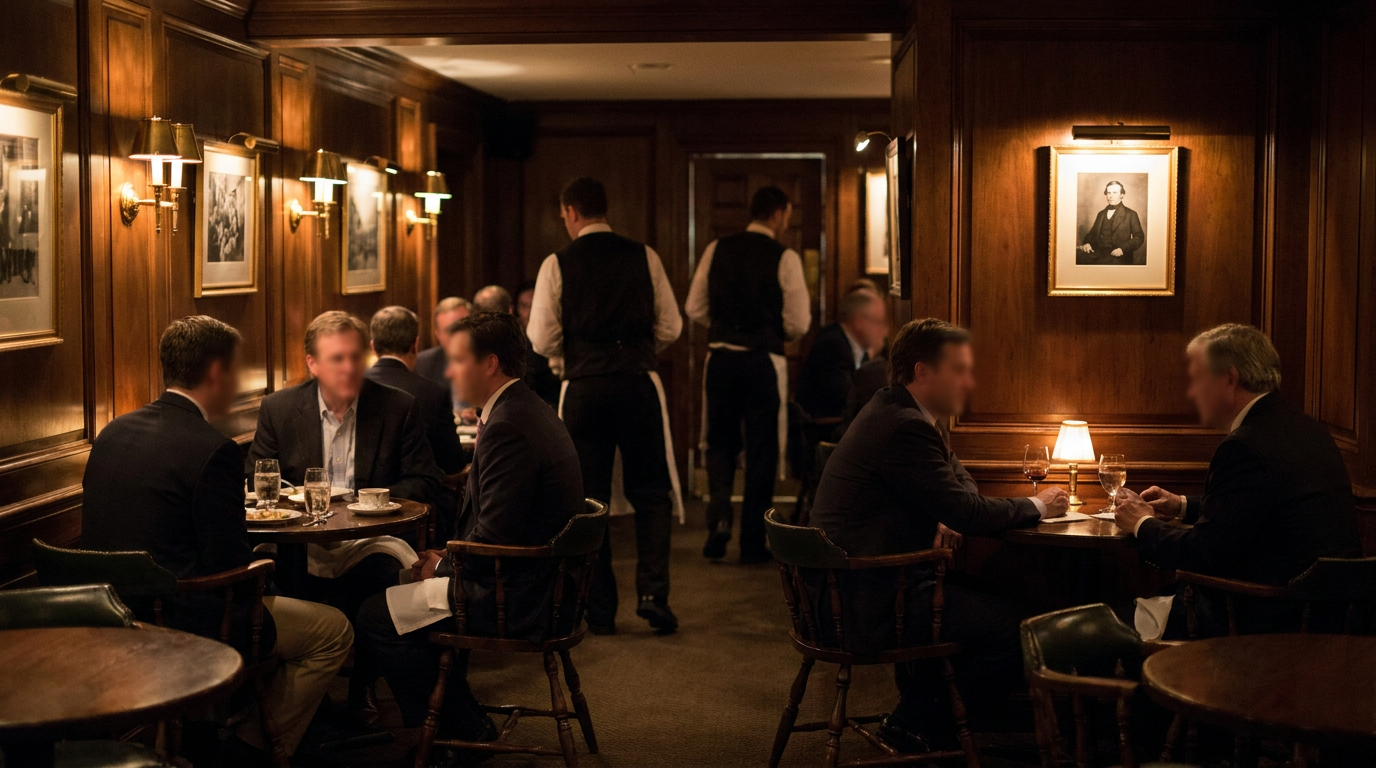
Martin’s Tavern in Georgetown served as the backdrop for the cold open of this weekend’s Saturday Night Live episode. The sketch depicted the historic bar as a regular meeting spot for characters representing prominent figures within the Trump administration's orbit, featuring a group chat at the tavern where one character ordered their "usual" drink.
Georgetown Landmark on National Television
The brief segment transformed the real-world tavern into a comedic setting, leveraging its reputation as a Washington D.C. institution. Among the caricatured figures, a cast member portrayed a version of Pete Hegseth, alongside others depicted as a secretary of war, a Supreme Court justice, and an FBI director, all gathering at the bar.
This appearance marks another instance of the Georgetown establishment gaining pop culture recognition, adding to its long-standing presence in both political and local lore. The sketch did not imply that the actual tavern hosts these specific officials; instead, it utilized the venue's recognizable interior and name to ground the satire in a familiar local context.
Television sketches frequently incorporate well-known local landmarks to create a sense of immediacy and regional flavor, and the use of Martin’s Tavern aligns with this practice. The show’s writers selected a location with clear D.C. associations to frame a satirical take on national political personalities.
Local Impact and Cultural Resonance
Situated in the Georgetown neighborhood, Martin’s Tavern is recognized by Washingtonians as a long-standing fixture in the city’s dining and nightlife scene. Local publications reported on the cameo, noting how the sketch positioned the tavern as a habitual hangout for the assembled characters.
For both residents and visitors, such appearances can elevate the profile of established local businesses and contribute to discussions about the city’s social geography. While the sketch is comedic and fictional, it draws upon the tavern’s real-world visibility within D.C. cultural life.
Given that the scene is a brief, televised gag, it is unlikely to have significant operational effects on the tavern itself. However, the attention may spark increased curiosity from viewers who recognize the Georgetown setting or who might be interested in visiting a location featured on a national sketch comedy show.
Television depictions of local institutions often capture public attention temporarily; any lasting effects typically depend on subsequent media coverage and a potential surge in visitor interest.