Hezbollah Adapts Media Strategy Post
Hezbollah is increasingly using visual media, such as drone footage, to influence public perception following the death of its leader, Hassan Nasrallah.
Lauren Collins ·
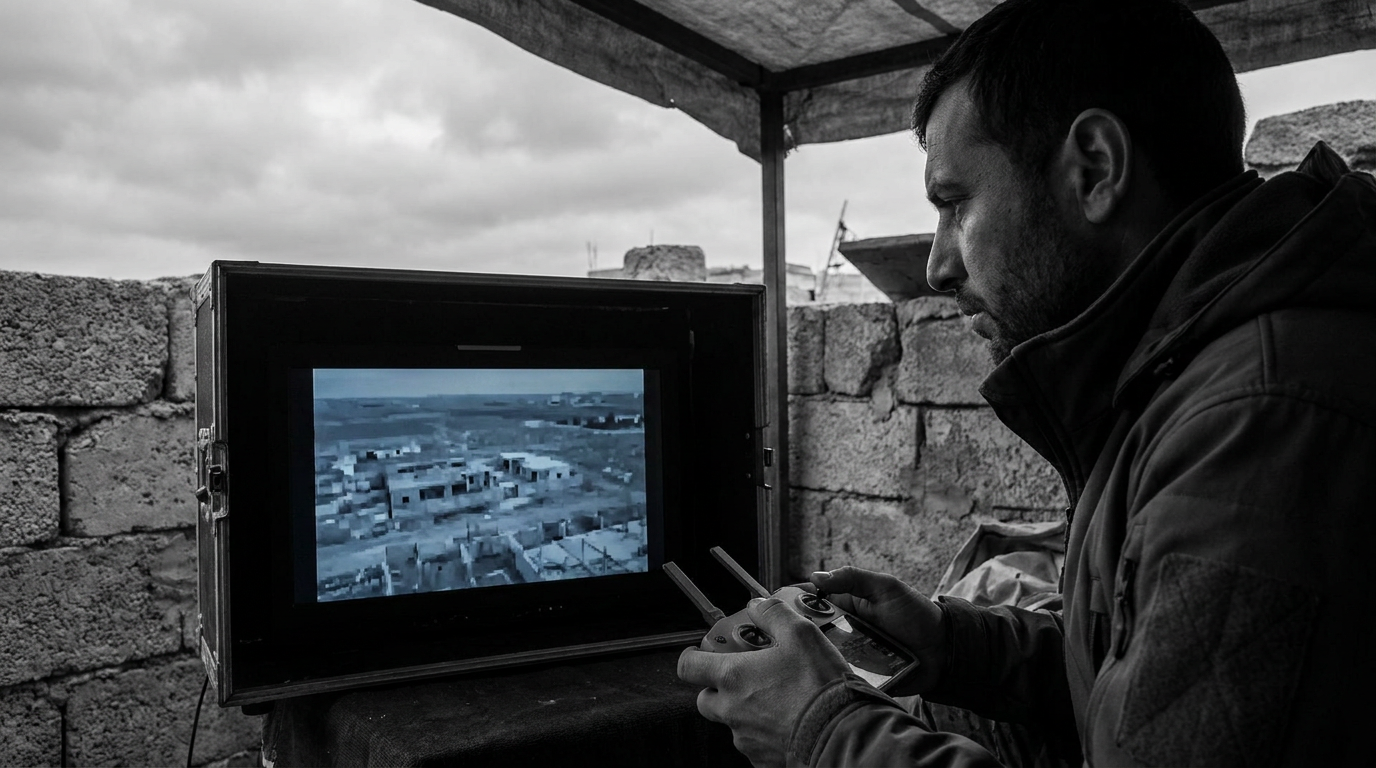
Hezbollah Shifts Media Tactics Amid Leadership Transition
Hezbollah has intensified its use of visual media, specifically drone footage, to project its operational capabilities and influence perception, particularly following the death of its long-time leader, Hassan Nasrallah, in September 2024. This strategic adjustment comes as the organization navigates a leadership transition, with Nasrallah's successor, Naim Qassem, lacking his predecessor's communication style and narrative control.
The shift is exemplified by recent drone footage released by Hezbollah on May 20, 2026. The three-minute video depicts a drone strike on an Israeli flag in al-Bayada, southern Lebanon, culminating in a digitally rendered image of a torn Israeli flag and the message: “Al-Bayada does not welcome you.” This tactic echoes Hezbollah's media strategy from the late 1990s, which utilized Al-Manar TV to broadcast images of Israeli military setbacks, contributing to the perception of an impending Israeli withdrawal from Lebanon in May 2000.
Nasrallah had previously served as the central figure in Hezbollah's media efforts for two decades, leveraging his credibility to frame events and maintain support, even during challenging periods like the Syrian conflict. His absence has necessitated a reliance on visual content to convey messages and mobilize support, as the organization's media machinery, previously centered on Nasrallah's voice, now operates without that direct narrative guidance. This contrasts with Israel's established two-track communication strategy, which includes a well-resourced military spokesperson apparatus and cultural productions like the Netflix series Fauda , designed to shape international perceptions.